

Co-op Blog

Home > Get Involved > Stay In Touch > Co-op Blog

Read the Latest

Get the inside scoop on what happens at Whole Foods Co-op as well as some insider tips and tricks about our items. Click below to check out our blog!

Shalomba Farm

Shalomba Farm: Building a Sustainable Future, One Pivot at a Time 

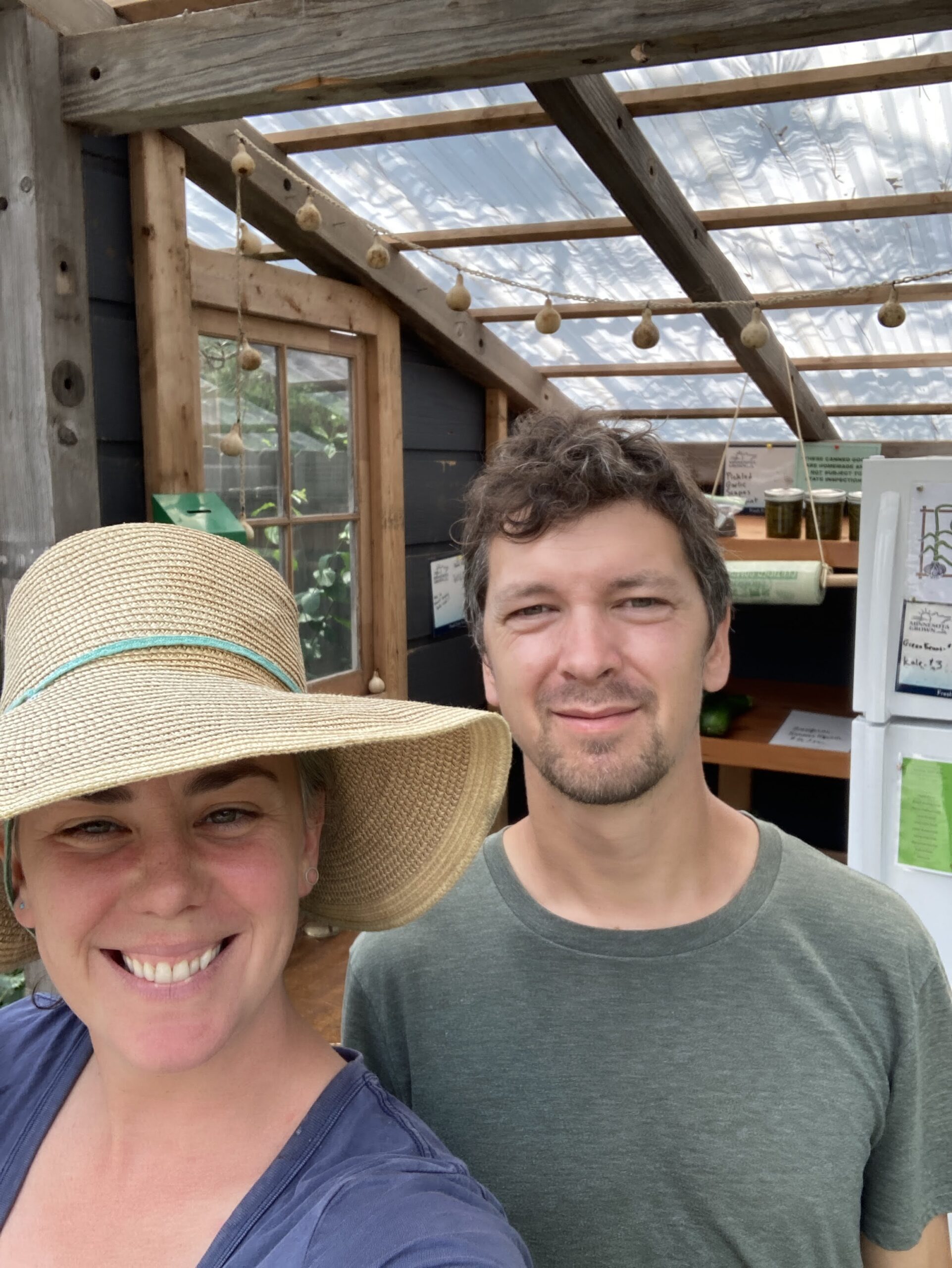
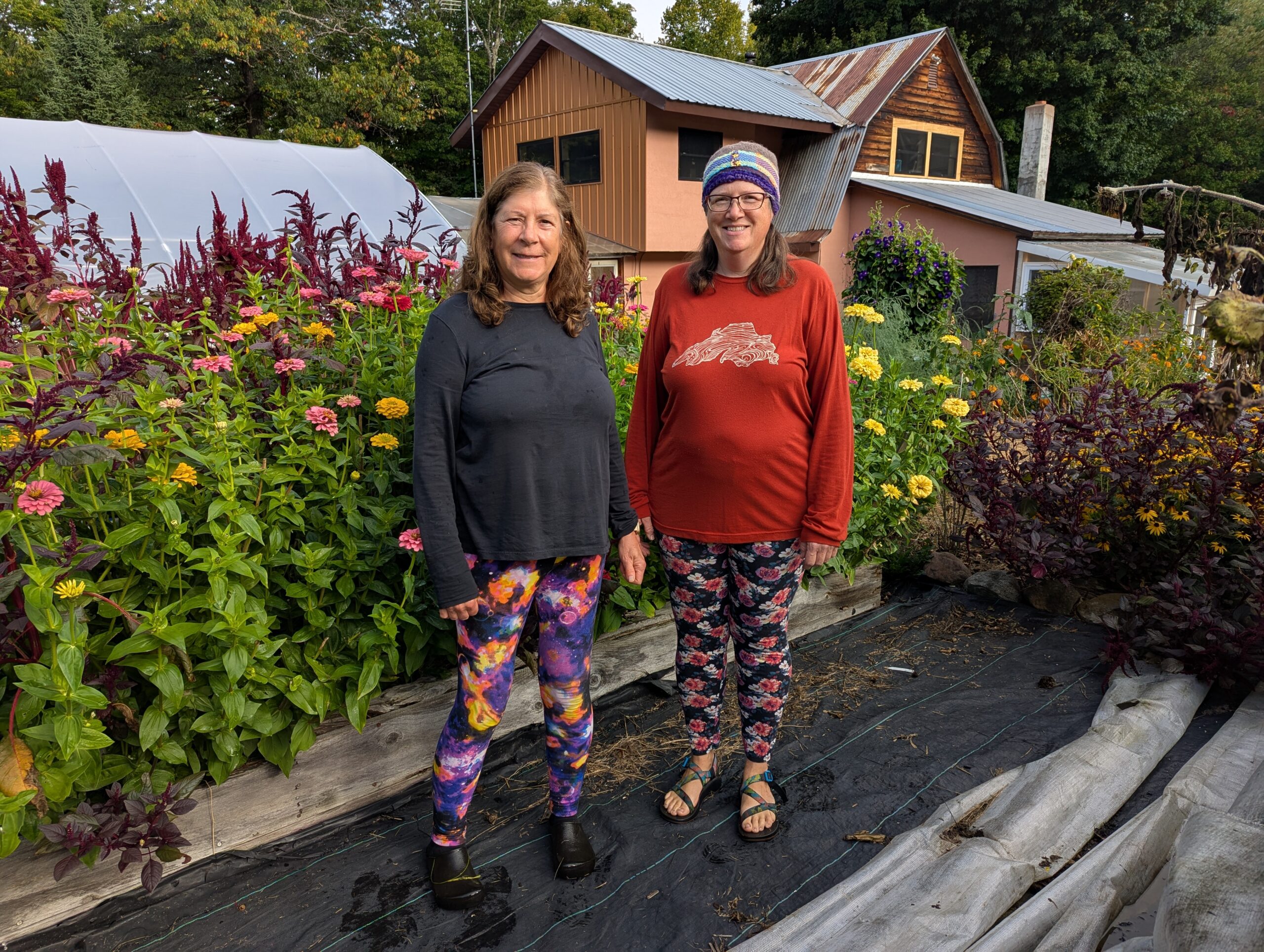
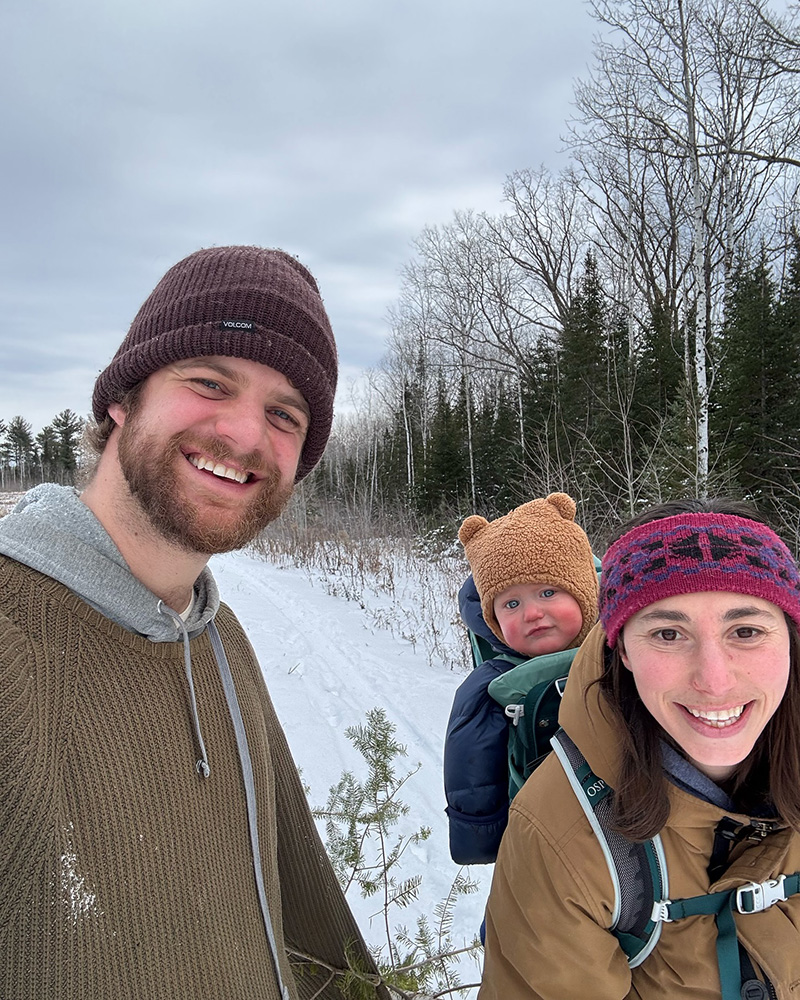
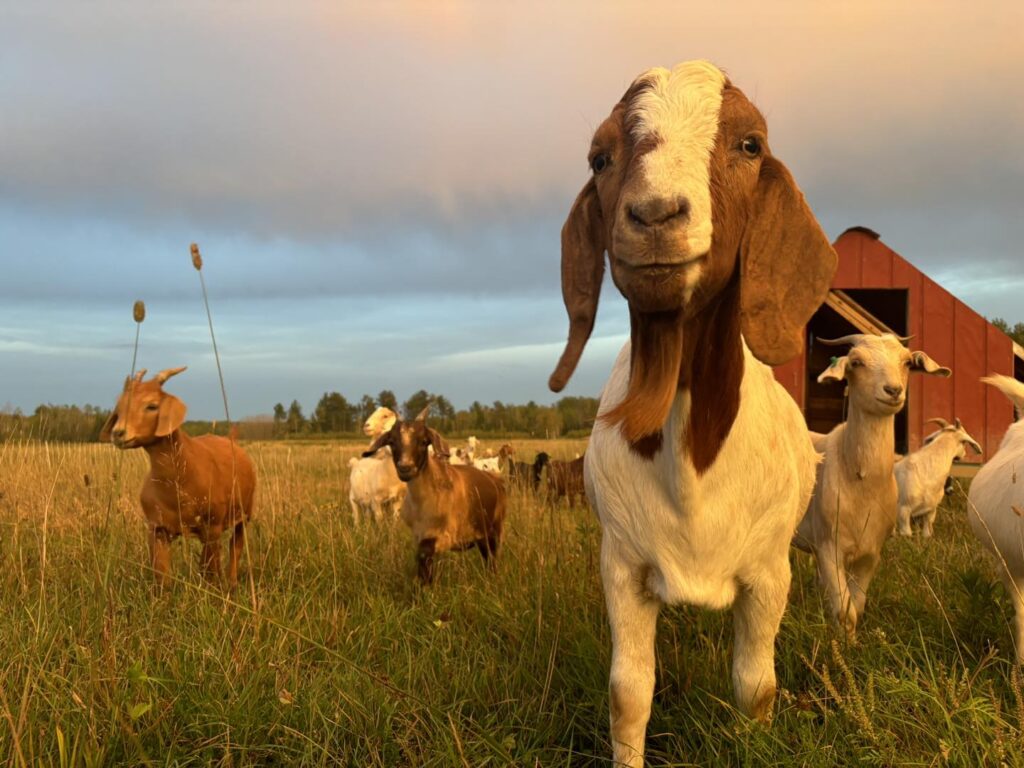
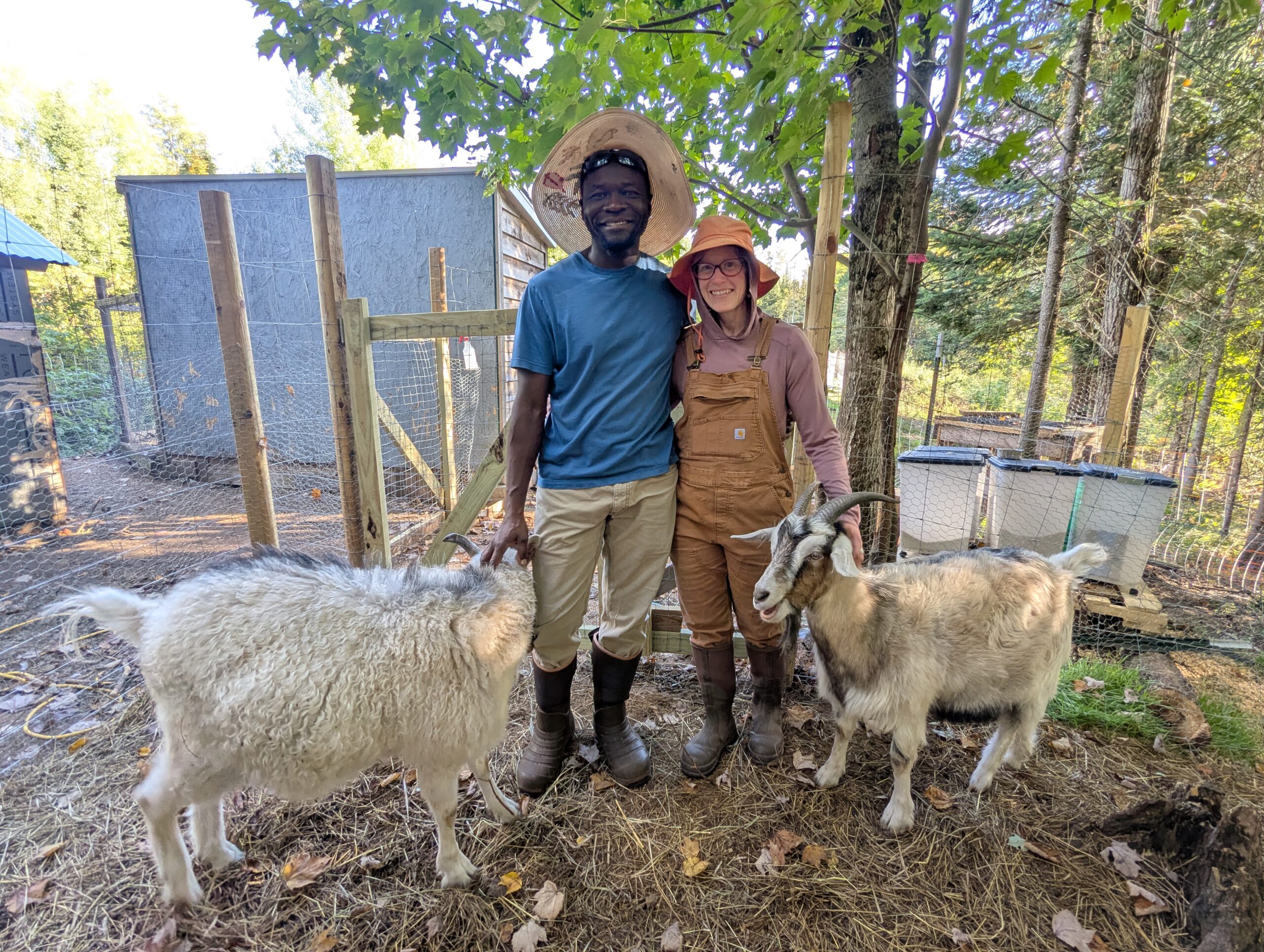
Singo and Emily of Shalomba Farms with two goats that help manage brush on the farm.

At Shalomba Farm, located in Lake Nebagamon, WI, Singo and Emily are crafting a vision of agriculture that’s rooted in sustainability, resilience, and community. Their journey hasn’t been easy, but it’s been deeply intentional. 

When they purchased their land in 2022, they were drawn to its peaceful beauty and untouched potential. “It hadn’t been farmed before,” Singo explained. “It felt rich with pollinators and wildlife.” That connection to the land sparked a dream: to build a regenerative farm that could serve both their family and the broader community. 

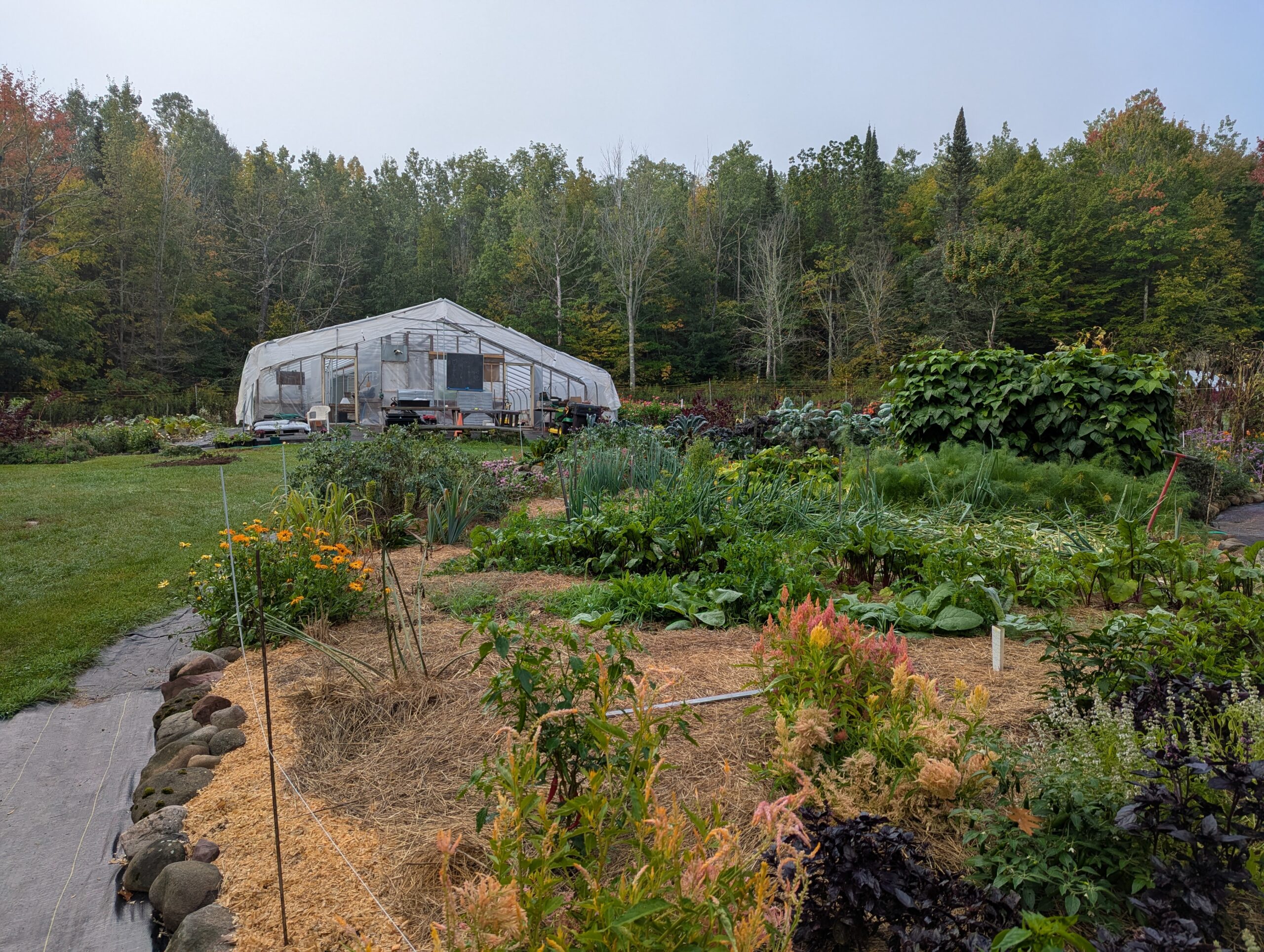
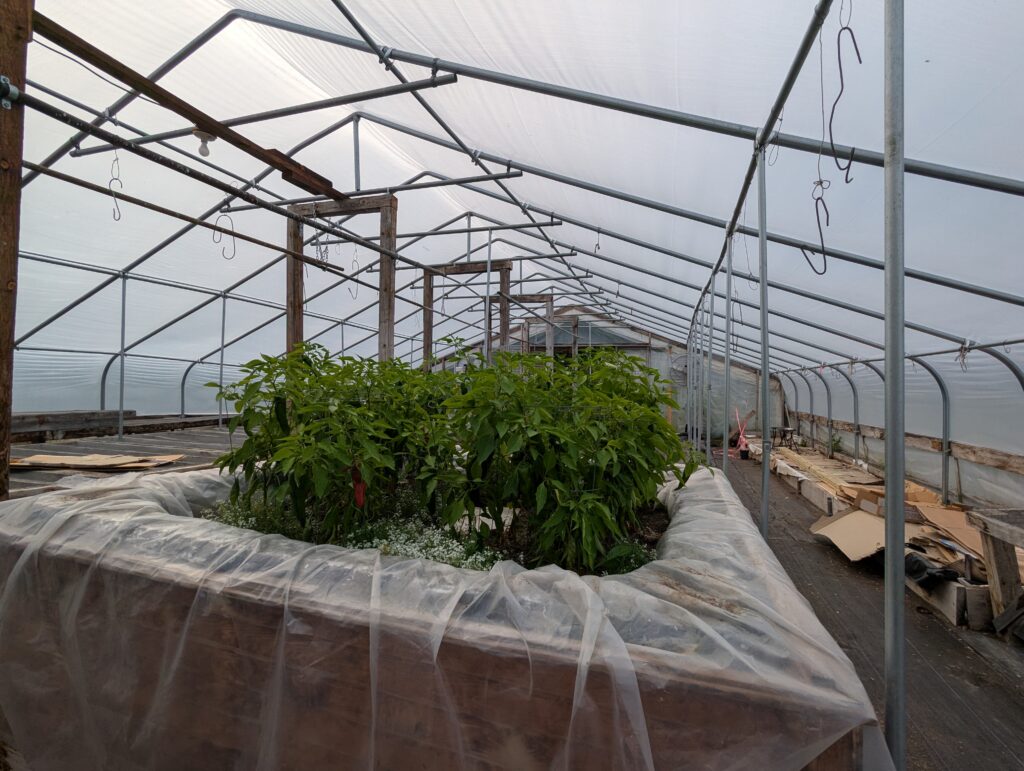
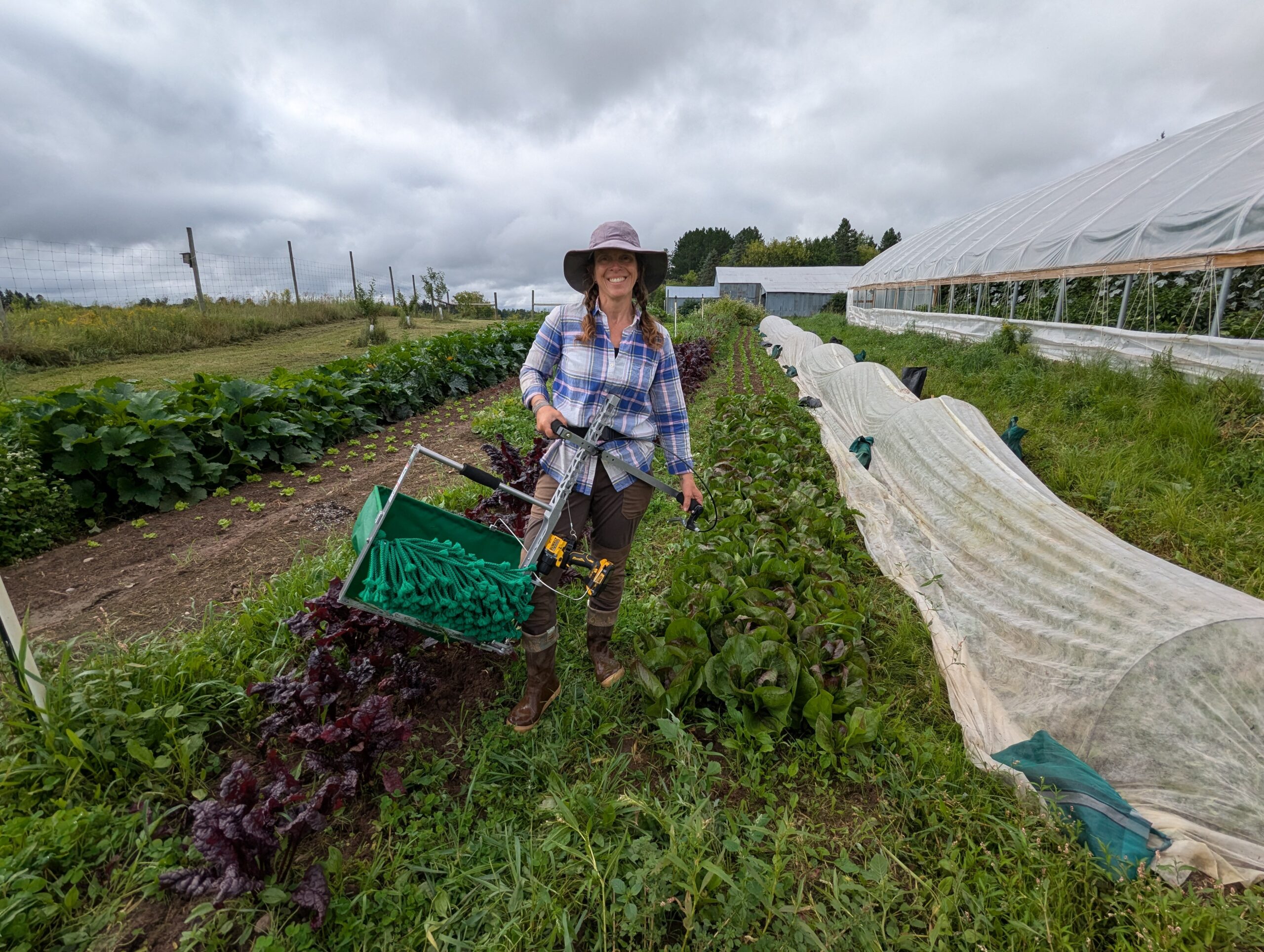
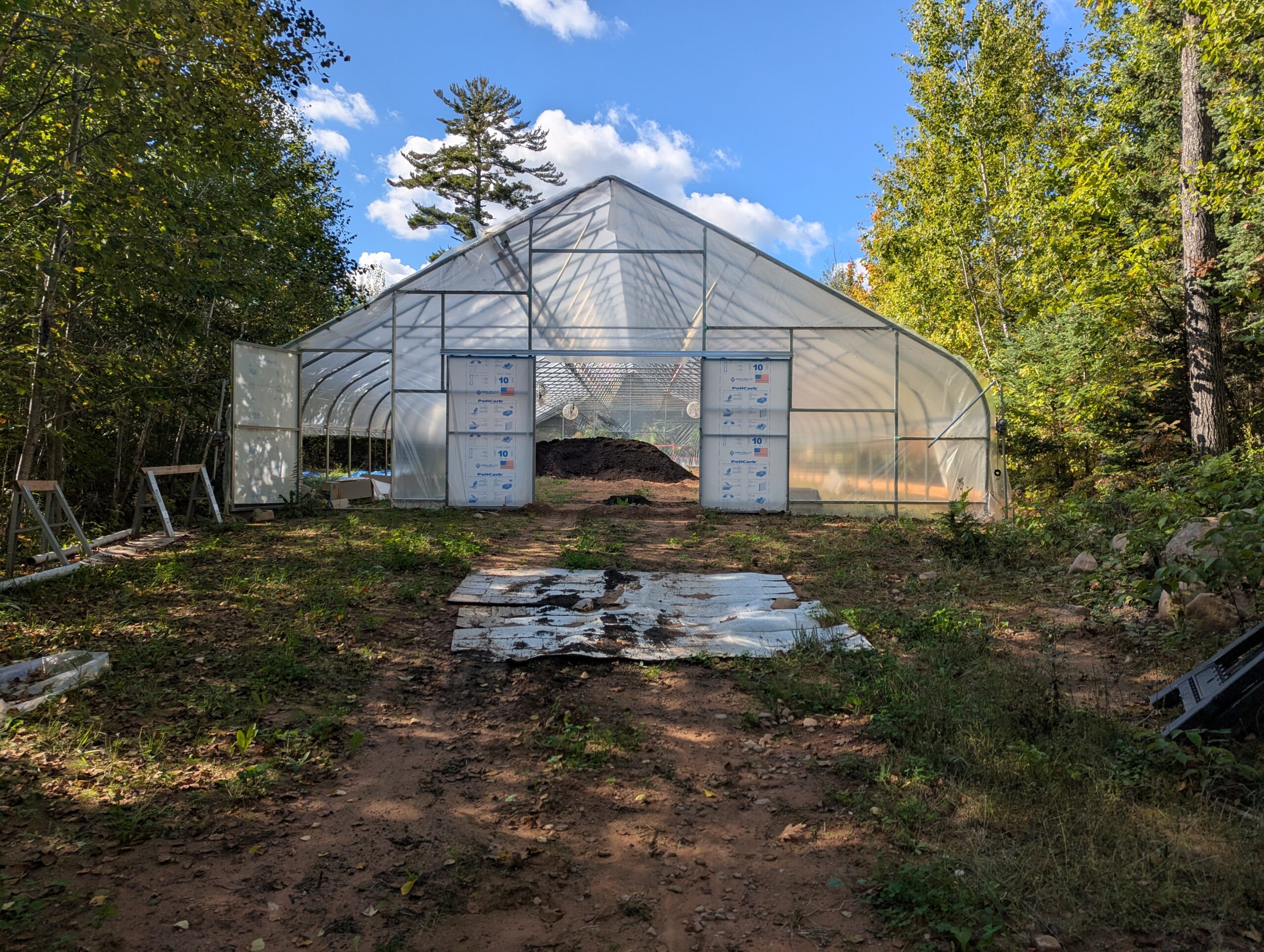
Their plans included drilling an important well to provide water for a high tunnel (picture a tall greenhouse with a rounded canvas top), orchard, and future farm store. But as often happens in farming, unexpected challenges arose. County regulations, equipment access issues, and zoning requirements forced them to pivot—fast. The couple must now focus on improving a trail to accommodate the machinery necessary to drill their much-needed well. 

Despite the hurdles, Singo and Emily have remained flexible and forward-thinking. “It’s just like nature,” Emily said. “You never know what weather you’re going to get. You plan, and then you pivot.” 

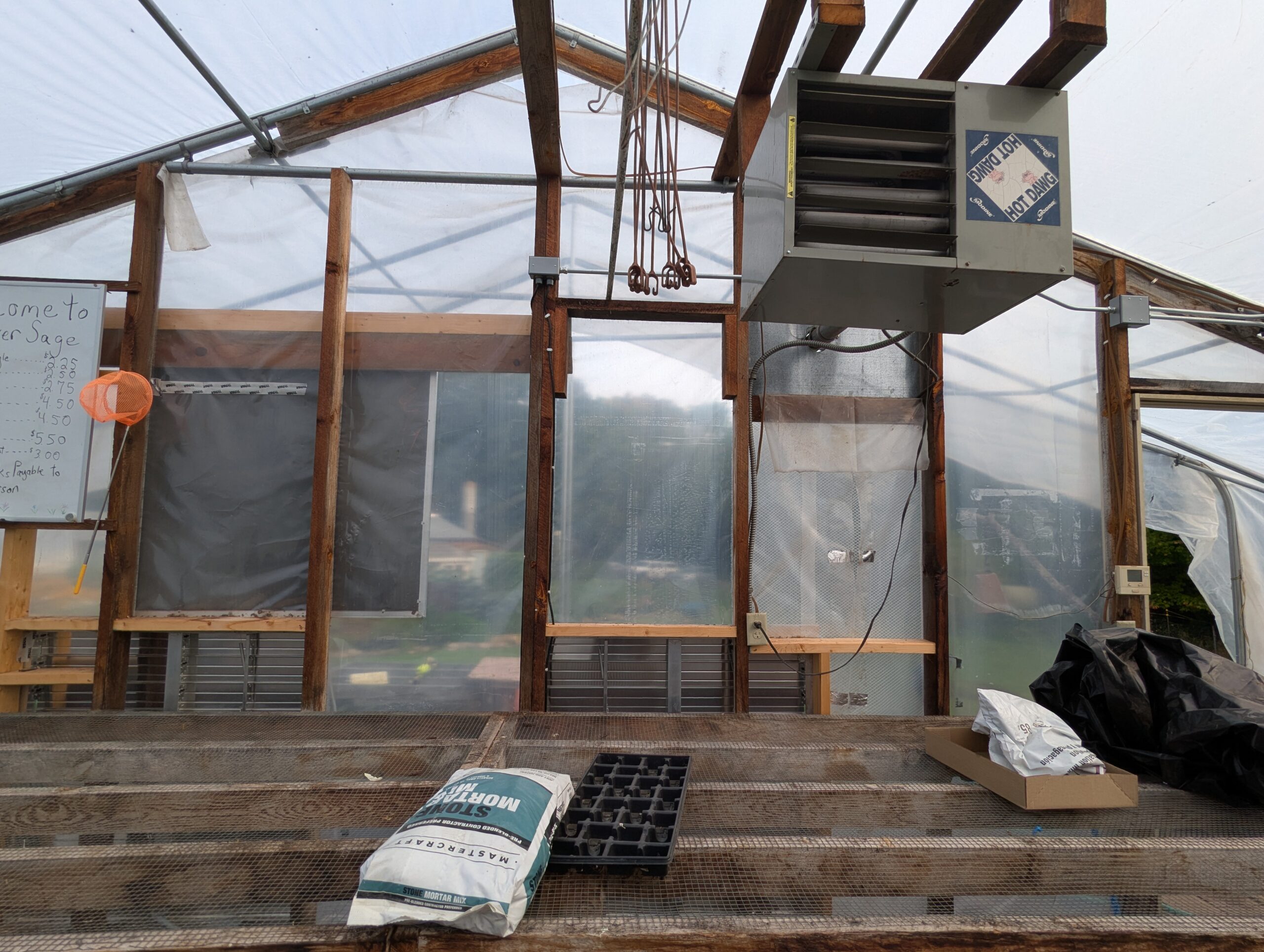
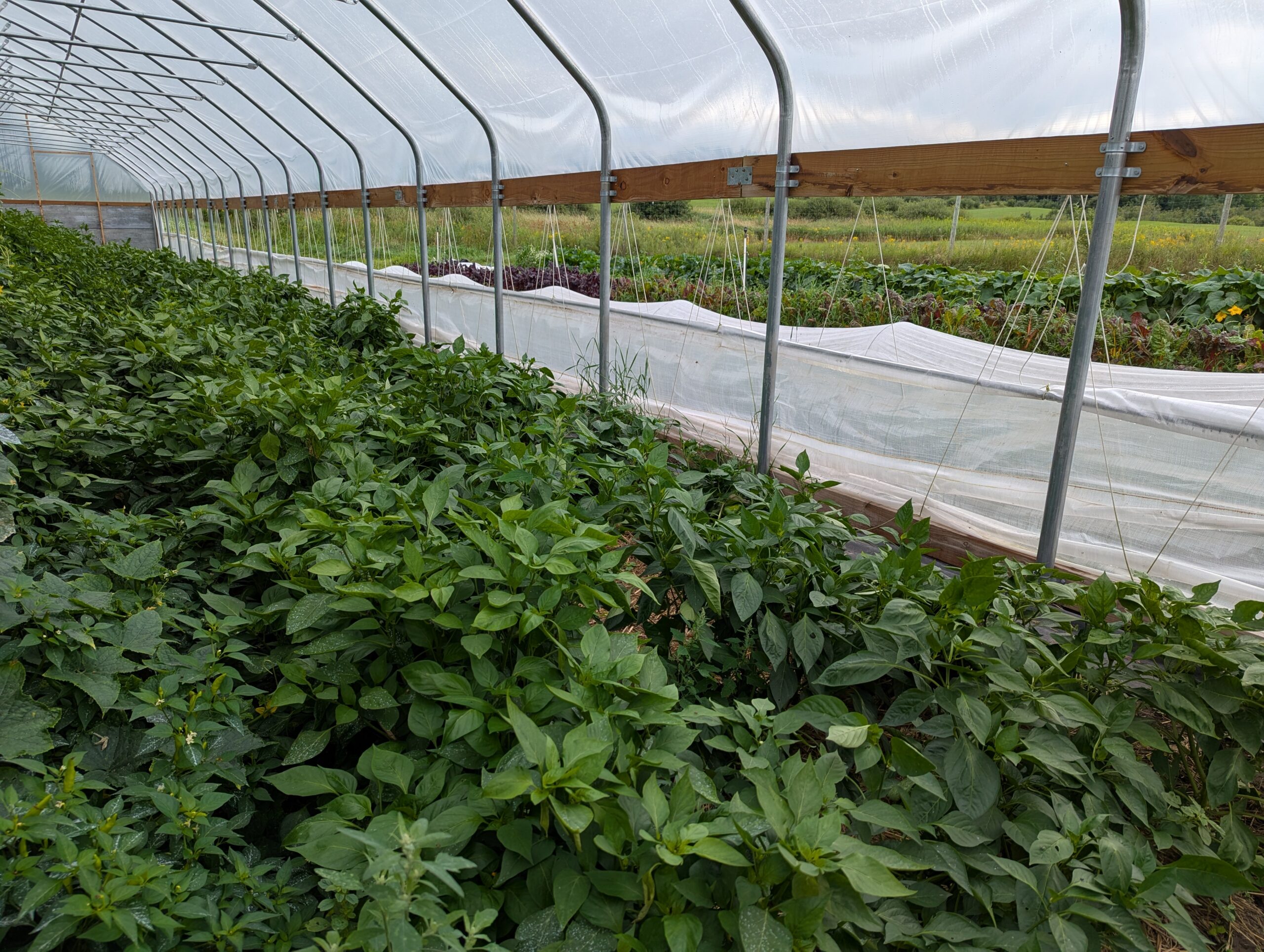
The high tunnel at Shalomba Farms.
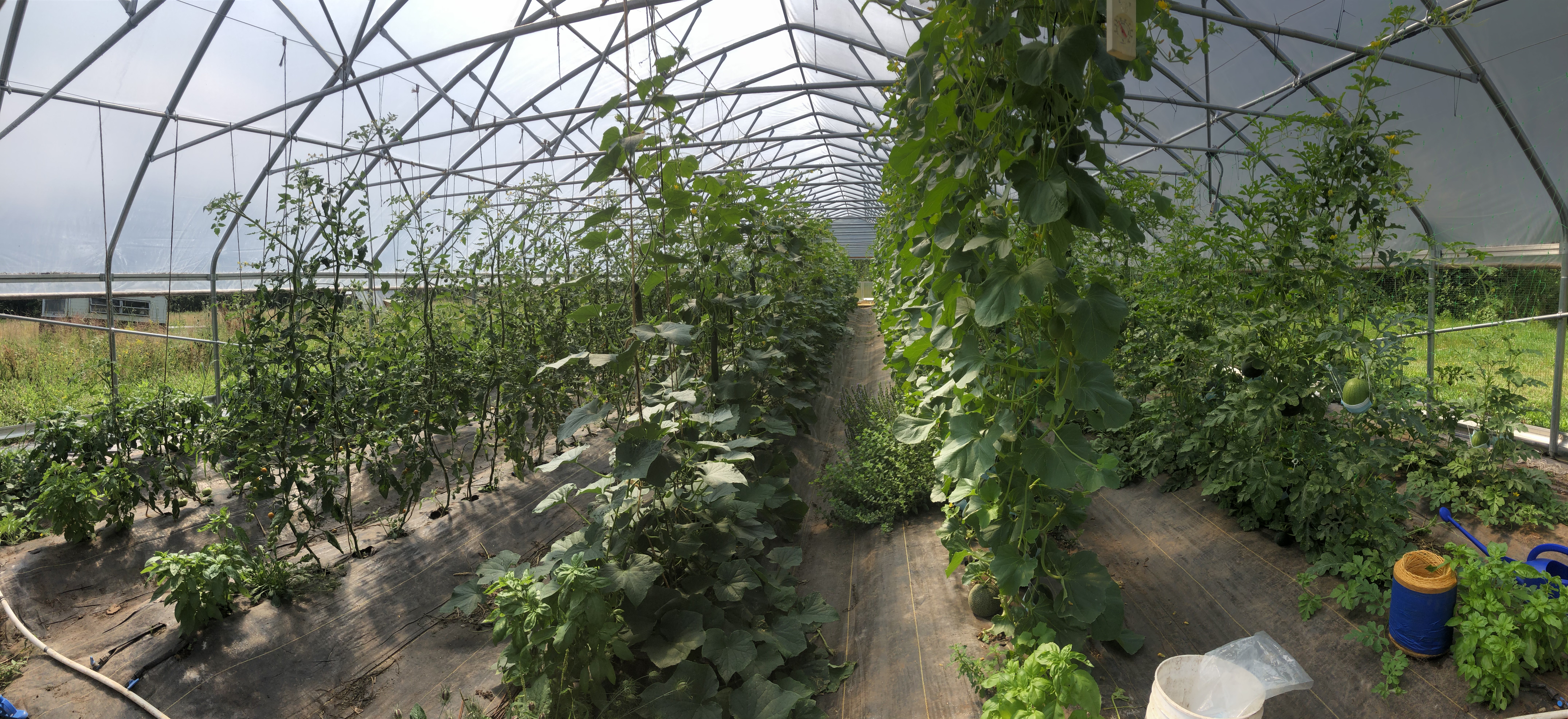
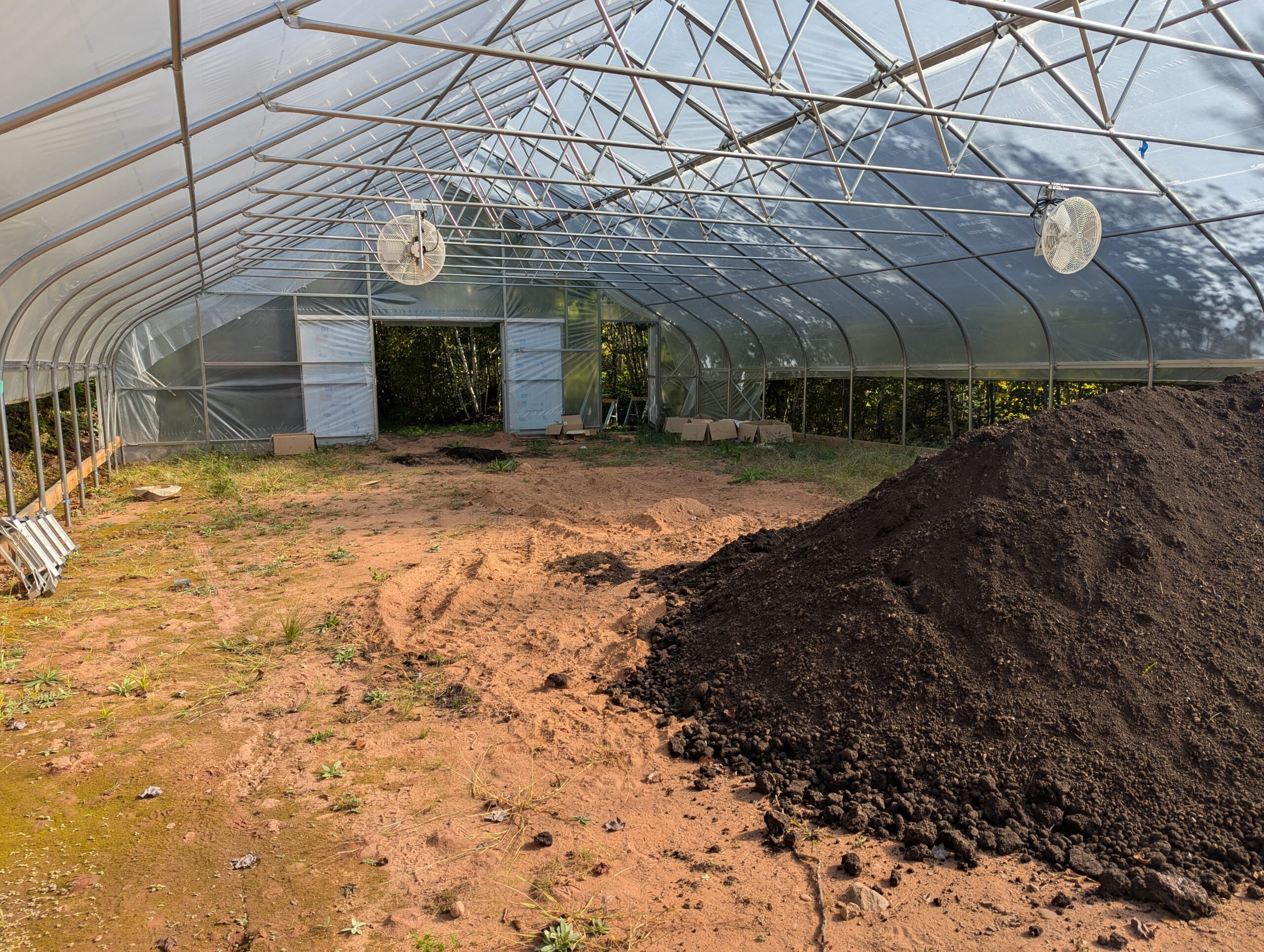
The inside of Shalomba Farm’s high tunnel, which will be filled with crops.

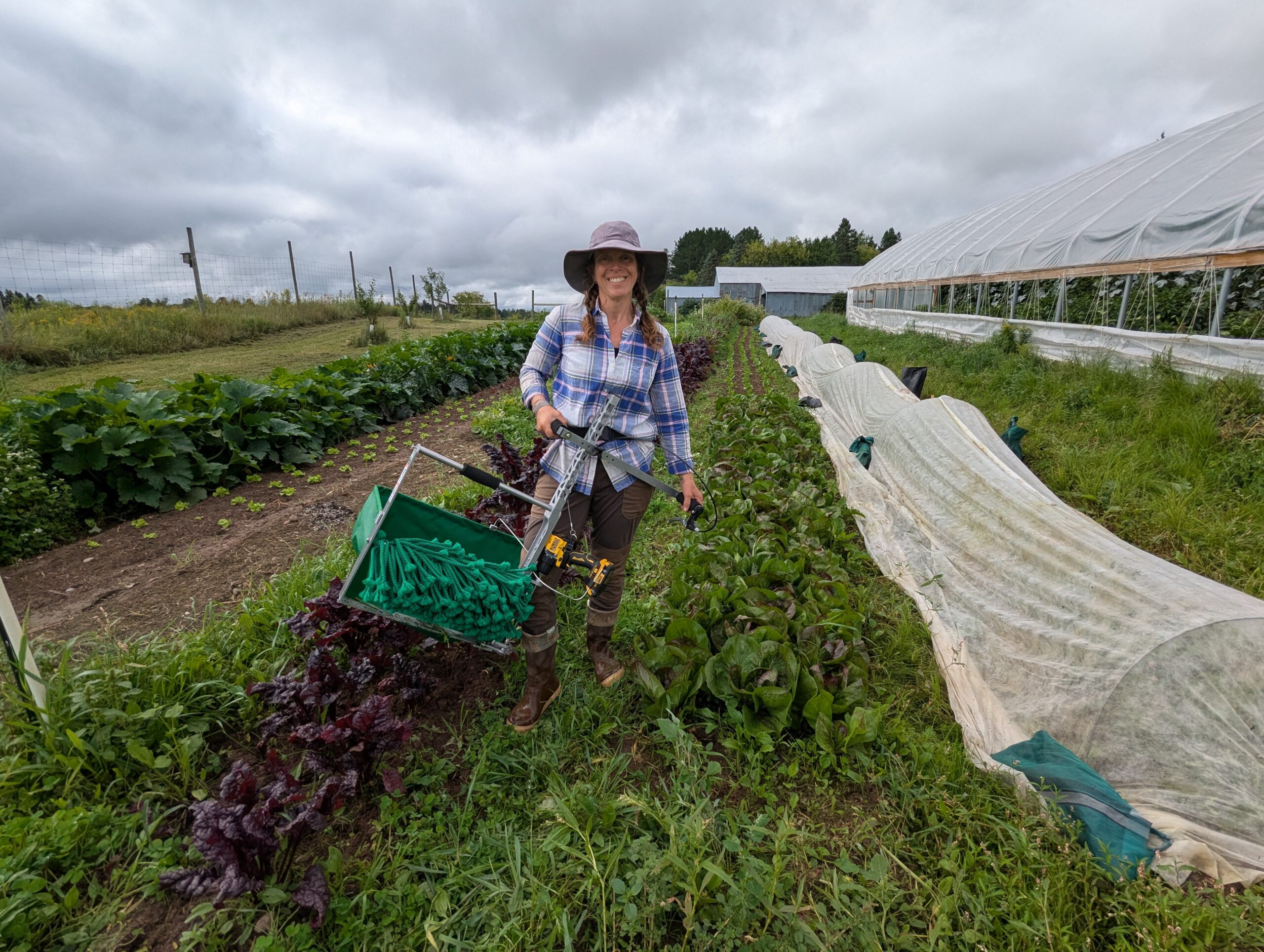
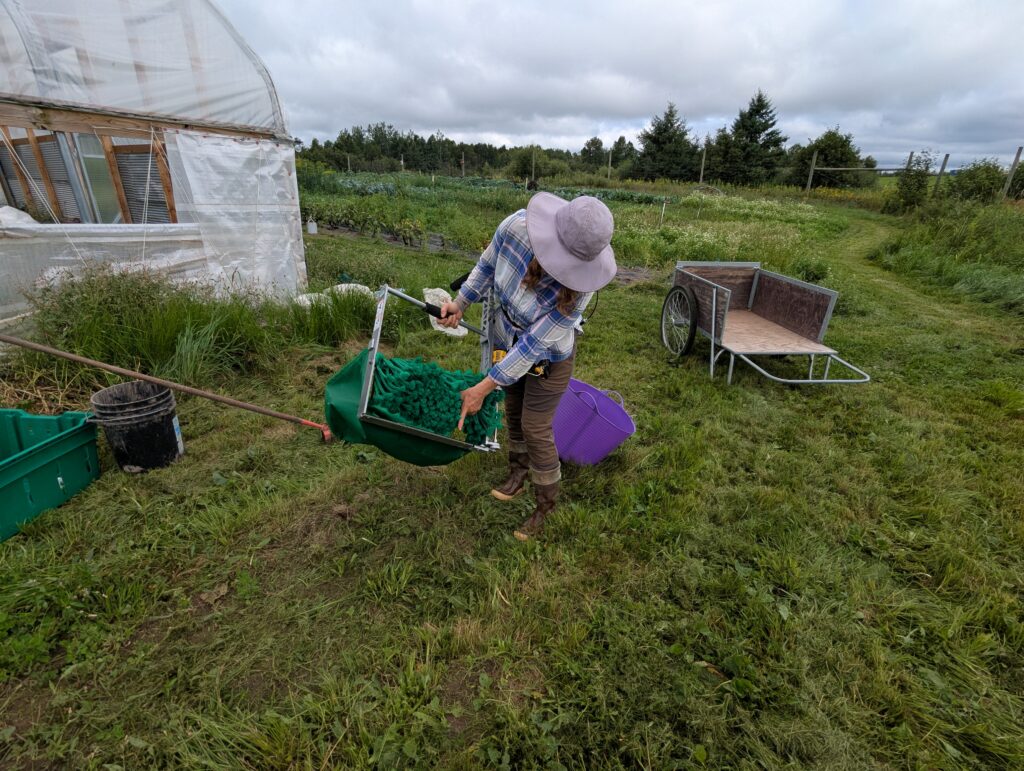
Thanks to the Grow Local Food Fund, they’ve been able to set aside funding for the well project, which remains a cornerstone of their long-term sustainability goals. In the meantime, they’ve fast-tracked other initiatives, including a rainwater collection system and expanded pollinator gardens. Their high tunnel, hauled in by hand and built with the help from friends and neighbors, will soon be producing okra, tomatoes, sweet potatoes, and greens. They’re experimenting with crops that aren’t typically grown in the region and working with local food pantries to supply fresh produce for food programs and help address food insecurity in the local community.  

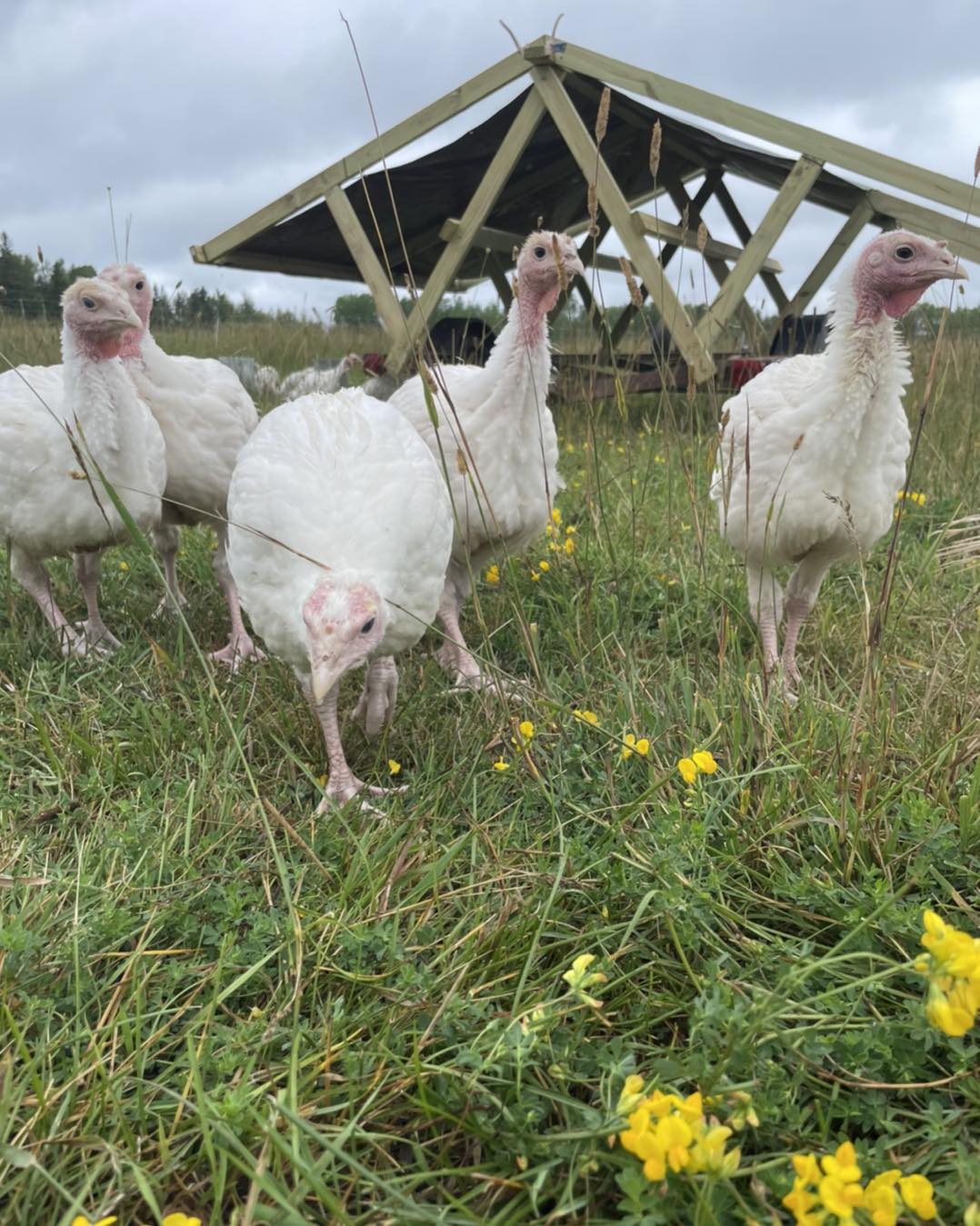
Shalomba Farm is also home to a growing menagerie: chickens, ducks, goats, and honeybees. Each animal plays a role in their regenerative system, whether it is chicken eggs for Emily’s gluten-free bakery (available at Superior and Duluth Farmer’s Markets as well as their website!), goats managing brush, ducks controlling pests in the orchard, or bees supporting pollination.  

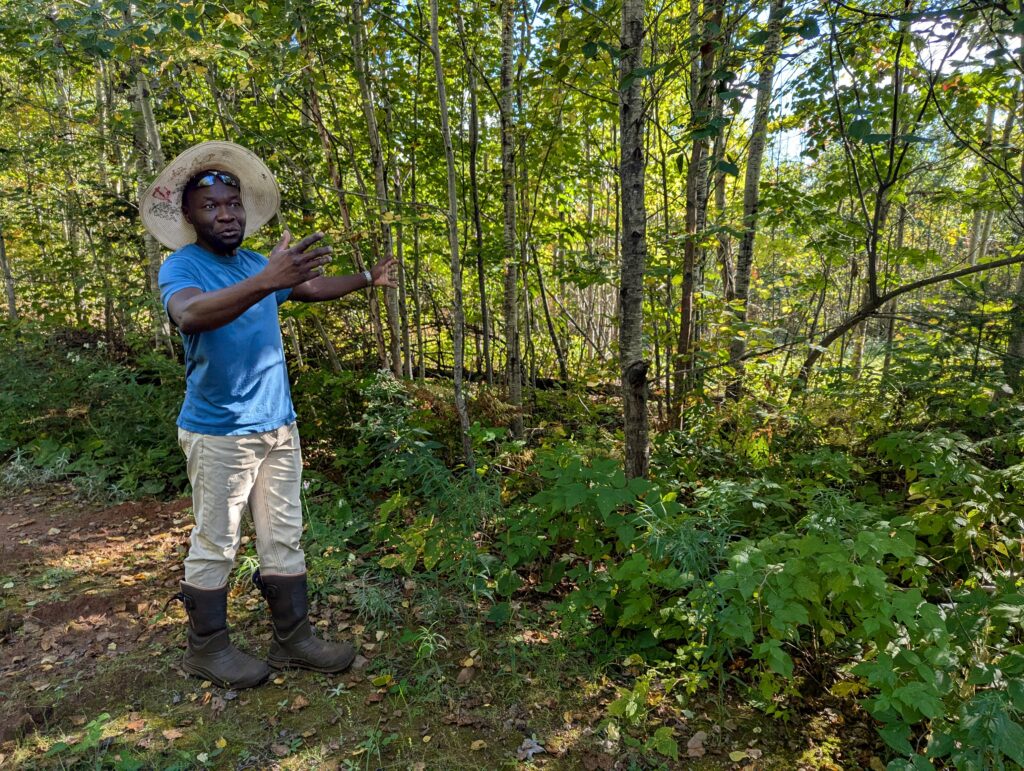
Their vision extends beyond their own farm. Singo and Emily hope to one day offer space for other aspiring farmers, especially women and people of color, to experiment and grow. “We want to build a model that others can follow,” Singosaid. “Something sustainable, something community-driven.” 

Singo explains the vision for the future of Shalomba Farm.

With every pivot, Shalomba Farm is proving that resilience and creativity are just as important as soil and sunlight. And with support from the Grow Local Food Fund and their neighbors, they’re growing more than food—they’re growing a future. 

When you round up for GIVE!, a portion of your donation goes to support the Grow Local Food Fund, and our regional farms and food producers, like Shalomba Farms. Thank you for rounding up! 

Learn more about Shalomba Farm at https://shalomba.farm/ and follow them at https://www.facebook.com/shalombafarm and https://www.instagram.com/shalombafarm/

Read Now
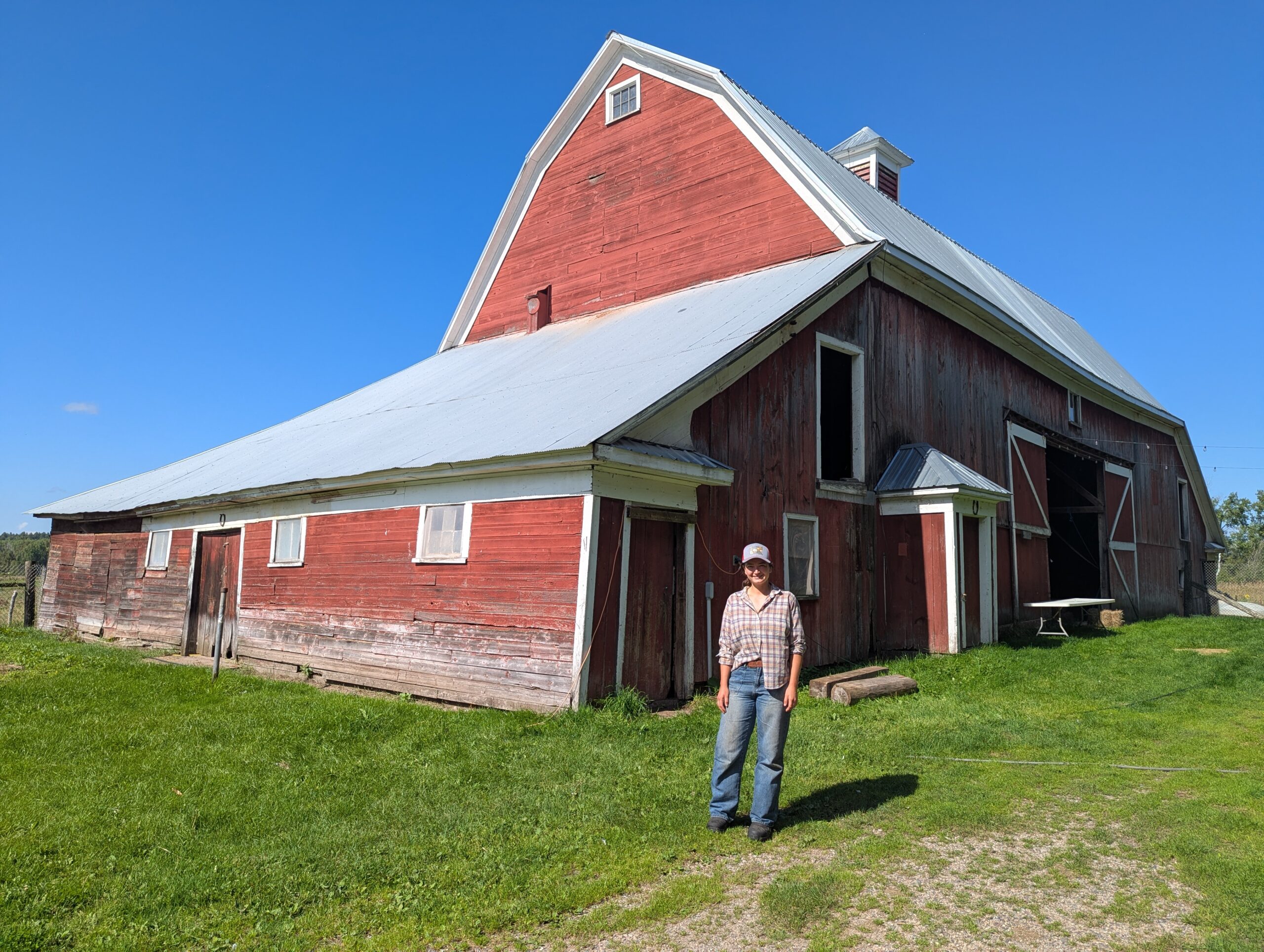
Madeline, owner of Hoop Snake Farm, poses in front of the barn.

Hoop Snake Farm

HOOP SNAKE FARM: RESTORING HISTORY AND REGENERATING LAND

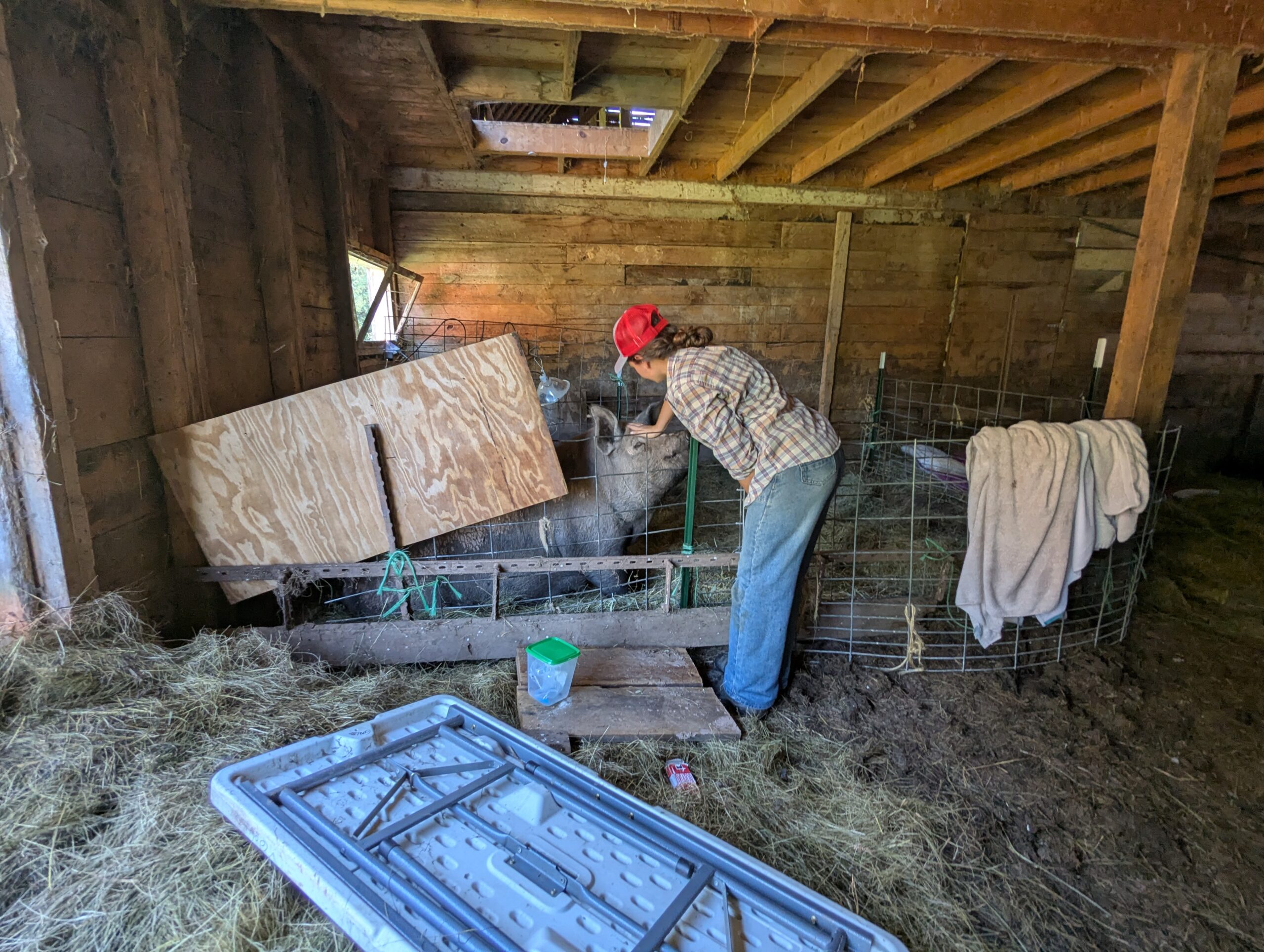
Madeline, owner of Hoop Snake Farm, checks on a farrowing pig in the barn.

At Hoop Snake Farm in Douglas County, Wisconsin, history and innovation meet in a 125-year-old barn that’s getting a second life. Owned and operated by a passionate farmer with a background in agricultural anthropology, the farm is a living example of regenerative agriculture, community engagement, and historic preservation. 

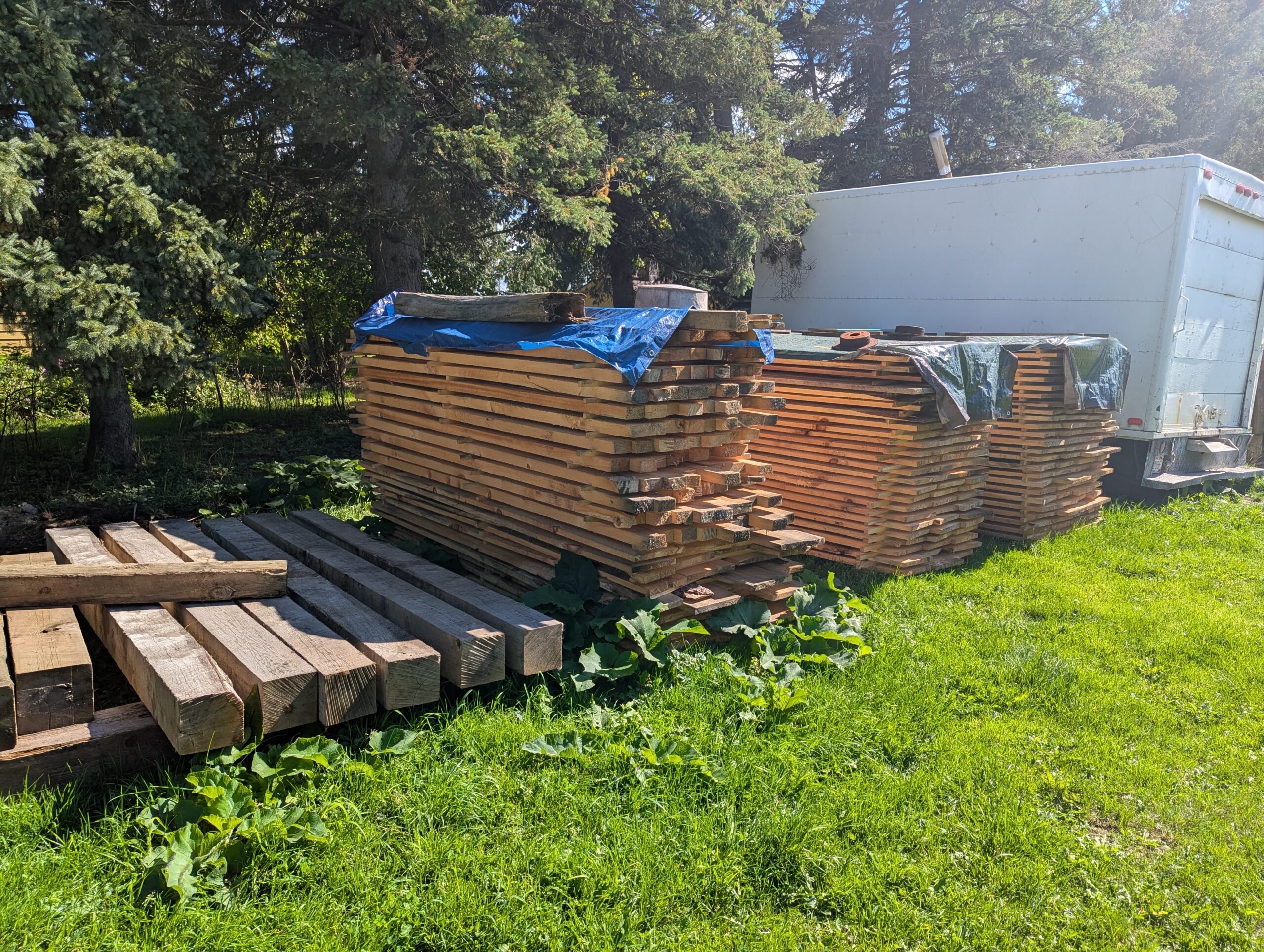
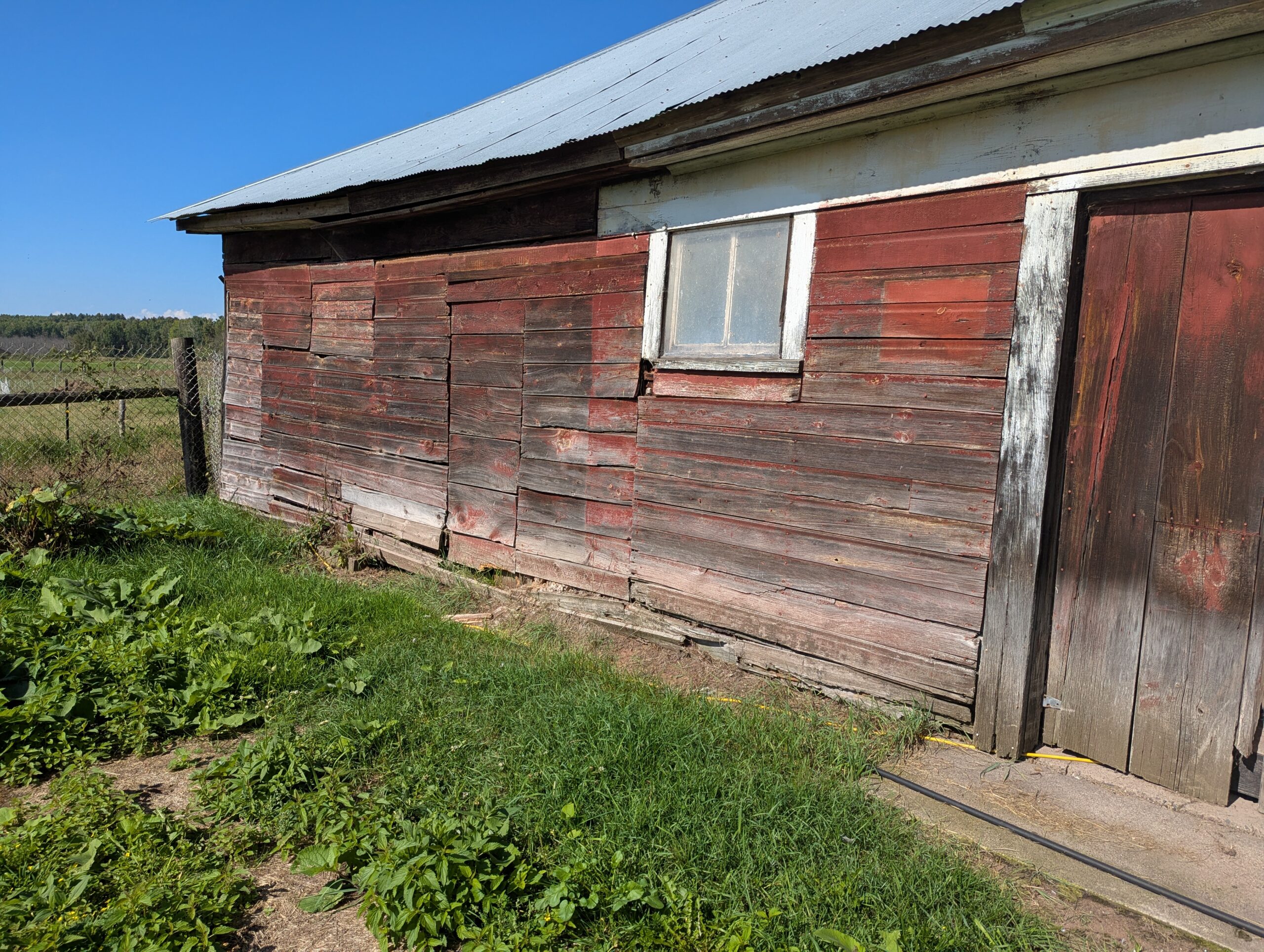
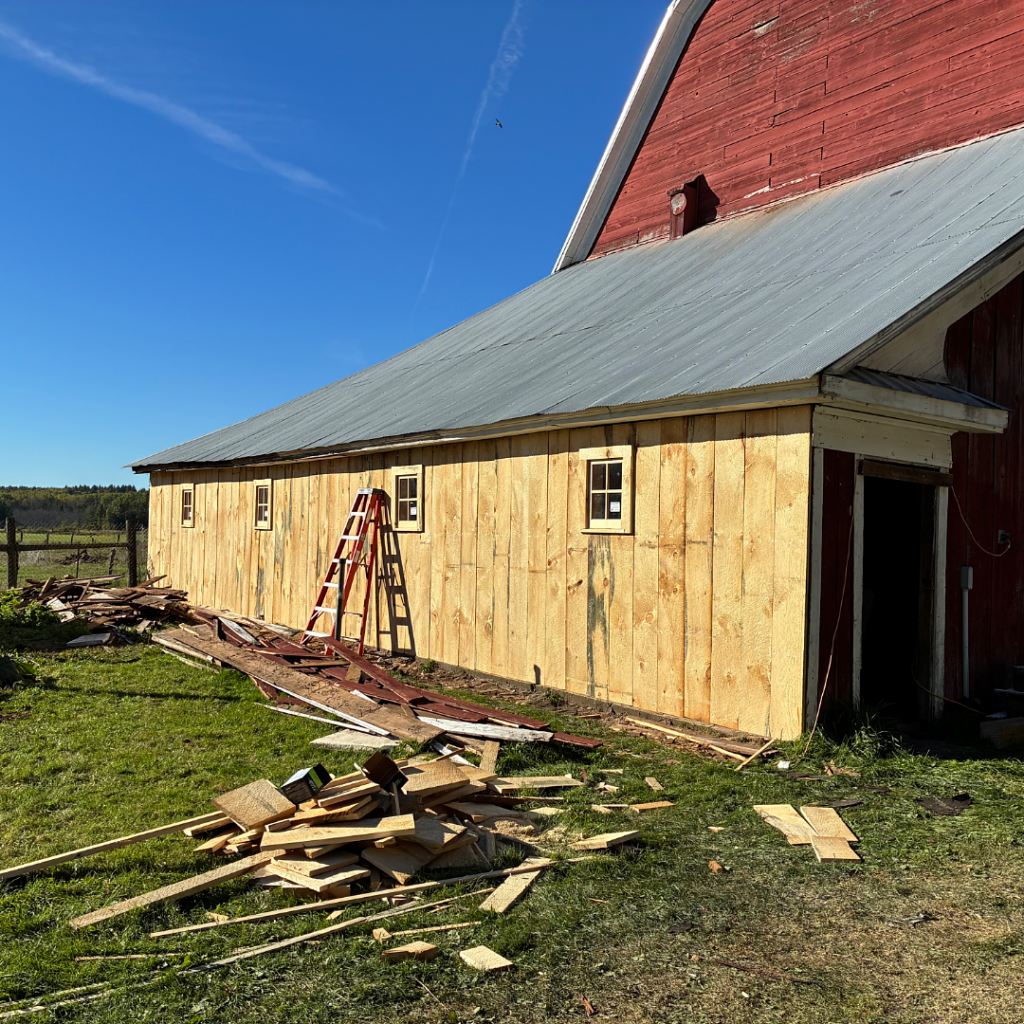
“This barn is 125 years old this year,” Madeline, owner of Hoop Snake Farm shared. “Many people have told me it’s the oldest barn in Douglas County.” With the help of the Grow Local Food Fund grant, repairs are underway—starting with a crumbling wall and foundation that will be shored up and framed out. The lumber for the restoration was custom-milled by an Amish sawmill, a nod to the farm’s commitment to traditional craftsmanship and sustainability. 

But Hoop Snake Farm is more than just a barn. It’s home to many animals, including pigs, sheep, and chickens. The barn serves as a shelter for sows to farrow. On the day of Whole Foods Co-op’s visit, there was a mother who was nestled in, ready to give birth any minute. “I slept out here last night,” Madeline said, nodding towards a sleeping bag in the hay. “I want to be here when it happens.” 

Stacks of lumber that were used in Hoop Snake’s barn repair project.
The barn exterior before repairs.

The barn also provides warmth and protection for other babies on the farm, as well as a winter haven for sheep, and a hub for hay storage. It’s also a venue for community events, including concerts and fundraisers that support the local food pantry. 

Beyond fixing up the barn, the farm is looking at sustaining itself far into the future, in part by planting nut-producing trees like white oak and black walnut to create shade, habitat, and future food sources for livestock. “In 30 years, it would be wild to have black walnut-fed hogs,” Madeline said. “It would reduce reliance on imported grain and create a more self-sustaining system.” The trees were planted with support from a grant through the Cable Community Garden and Natural History Museum. 

The farm’s approach to animal care is thoughtful and hands-on. Piglets are trained to respect electric fencing, which allows for rotational grazing and minimizes environmental impact. “When pigs first encounter electric wire, they run forward, so we train them in a controlled space first,” Madeline explained. Rotational grazing also supports soil health and allows cover crops to thrive behind the animals. 

Hoop Snake's barn being repaired with wood planks.
Hoop Snake’s barn being repaired with new lumber.

Despite only being on the property for a year and a half, Madeline has made large strides. The Grow Local Food Fund grant has helped kickstart essential repairs and laid the foundation for future educational programming in the barn. “The goal is to use this space for events and learning,” Madeline said. “And eventually, to kick the pigeons out of the loft and make room for hay.”

The meat produced at Hoop Snake Farm is available at the farm stand at 5829s County Rd H, Brule, WI; through their website hoopsnakefarm.com, their Facebook or Instagram pages @hoopsnakefarm, through the Maple, WI Reko Ring Facebook page, and at Darlings Grocery on Madeline Island or Juneberry Corner Store in Bayfield.

With deep respect for the land’s history and a clear vision for its future, Hoop Snake Farm is cultivating more than crops—it’s growing community, resilience, and a legacy of stewardship.

When you round up for GIVE!, a portion of your donation goes to support the Grow Local Food Fund, and our regional farms and food producers, like Hoop Snake Farm. Thank you for rounding up!

Connect with Hoop Snake Farm on Instagram and Facebook: @hoopsnakefarm 

Read Now
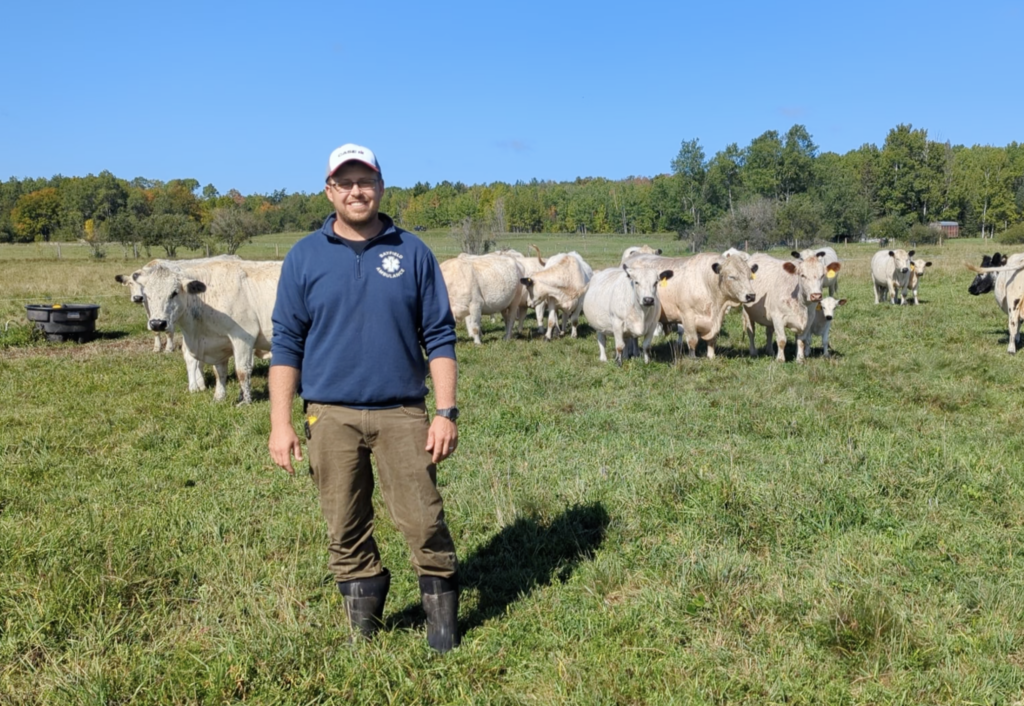
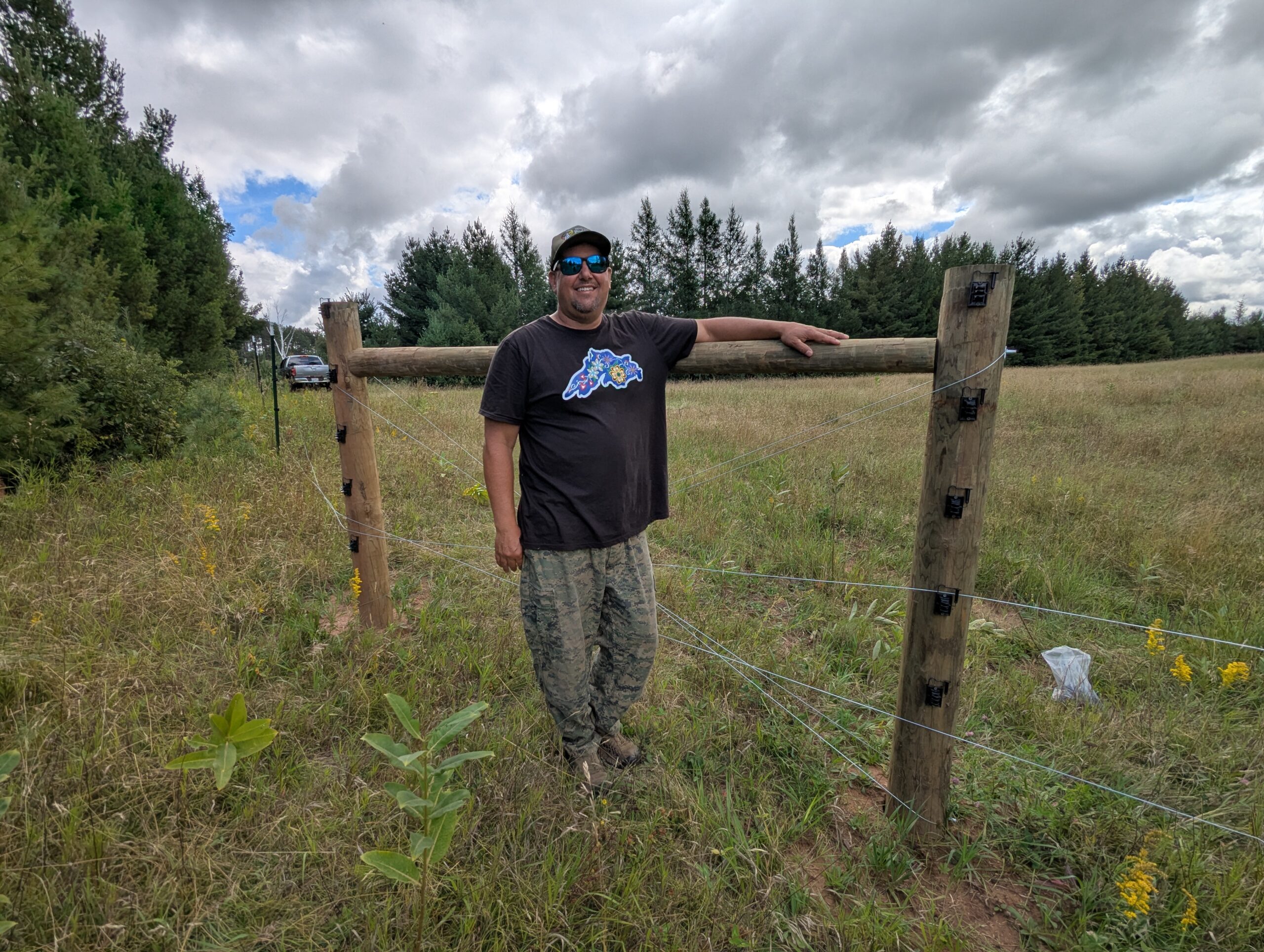
David Wise with the expanded fencing he installed through the Grow Local Food Fund Grant.

Native Wise

NATIVE WISE: RESTORING LAND, RAISING BISON, AND BUILDING FOR THE FUTURE

David Wise with the expanded fencing he installed through the Grow Local Food Fund Grant.
David Wise of Native Wise

At Native Wise, David Wise is doing more than raising bison—he’s reconnecting with his family’s land and restoring its natural rhythms. Located in Sawyer, MN, the farm at the center of their Native-owned and operated business is a labor of love and legacy, built on land that has been in David’s family for generations. “It’s good to be back on the land and helping it be productive again,” he shared. 

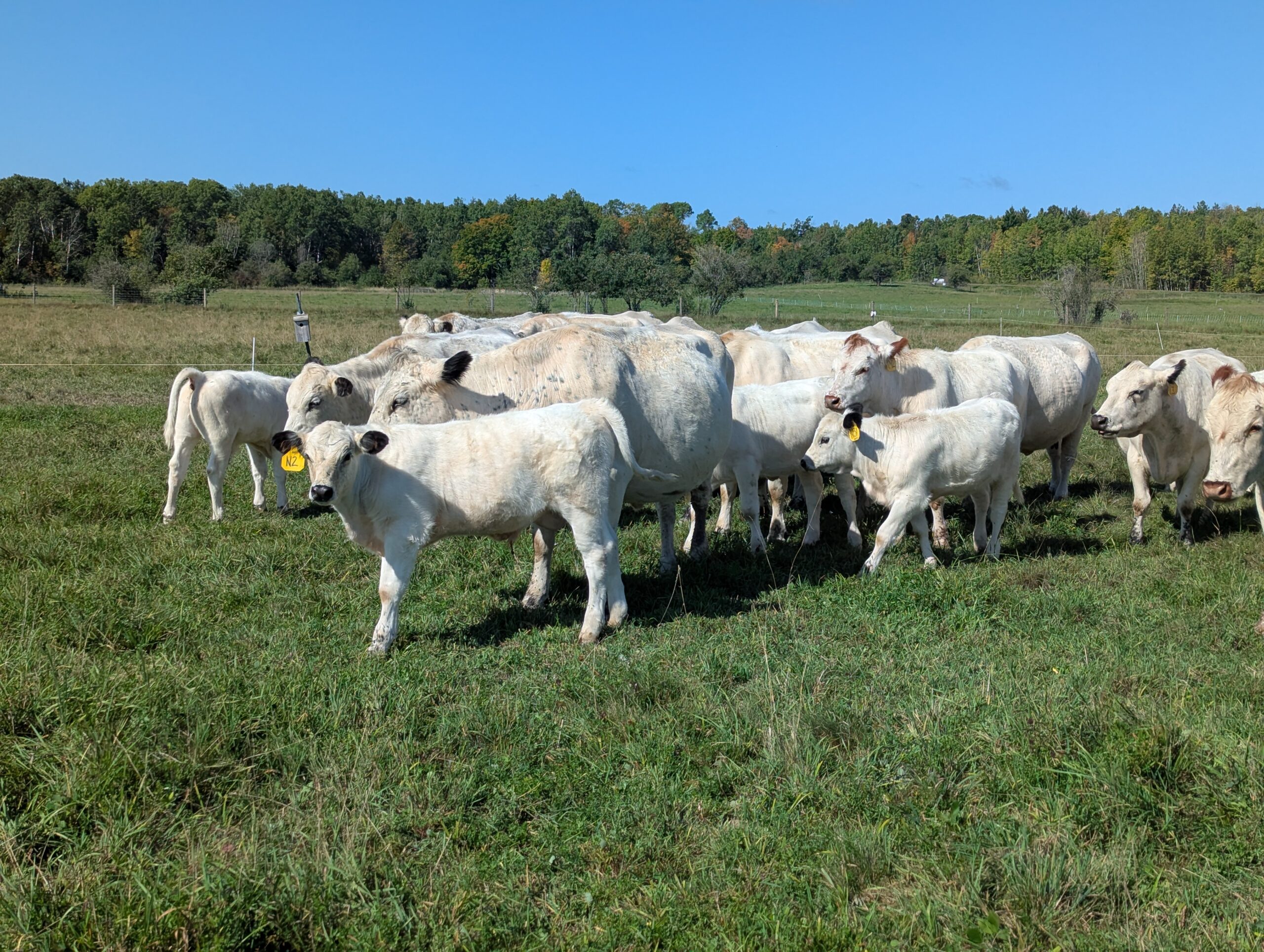
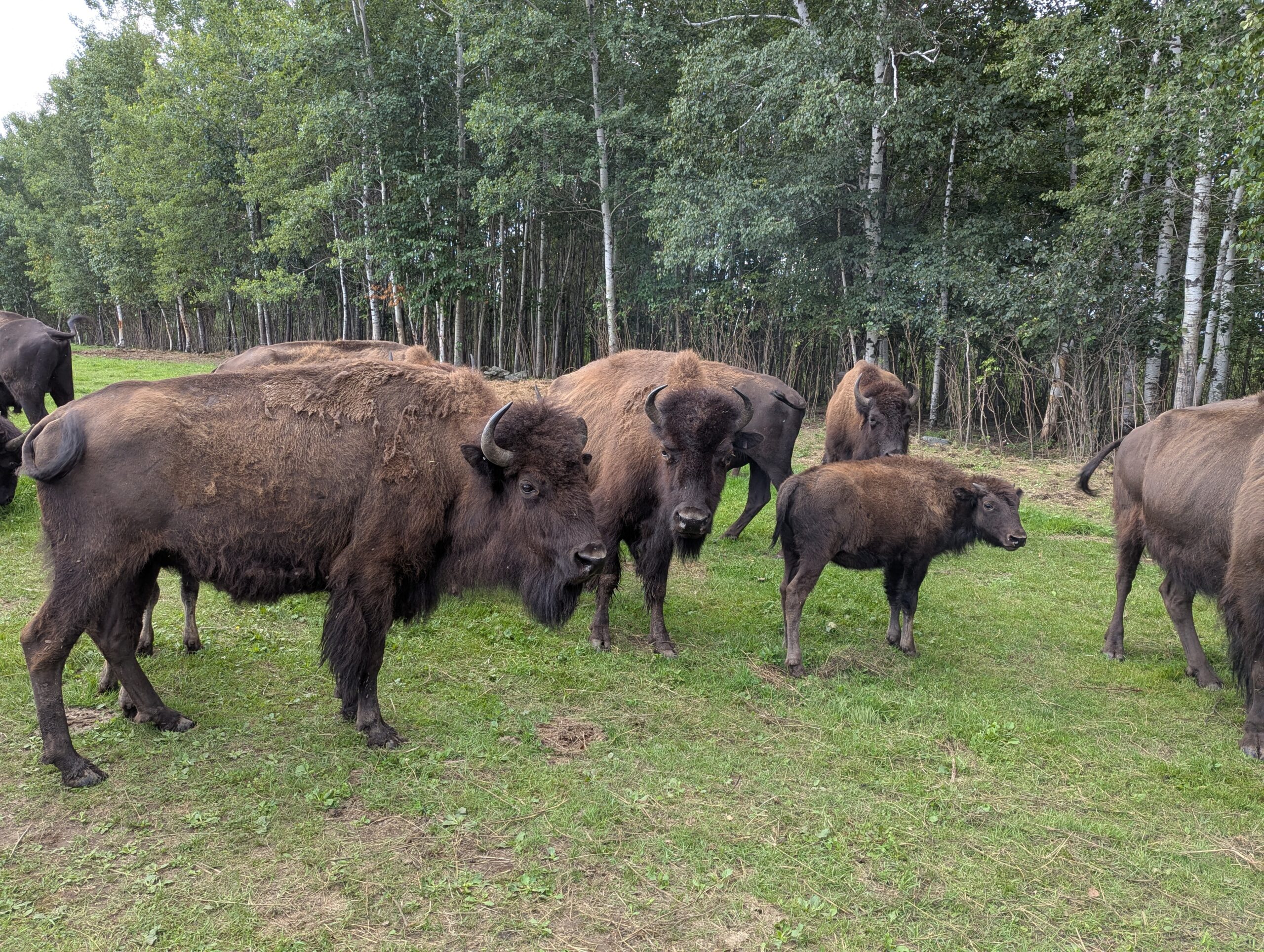
Four years ago, David began the journey of bison ranching. The bison are thriving, helping to bring back native grasses and contributing to the health of the ecosystem. “They really fit well here on the landscape,” David said. “They’re doing a nice job of grazing, which mimics the natural cycles—similar to fire—by eating down the grass.” 

Native Wise’s bison are unique—they come from natural preserves and don’t carry cattle genes. David is also planning to cross his herd with wood bison, which are more naturally suited to the region. “Historically, wood bison would’ve been here, along with moose and caribou,” he said. “It’s about restoring what would’ve naturally existed.” 

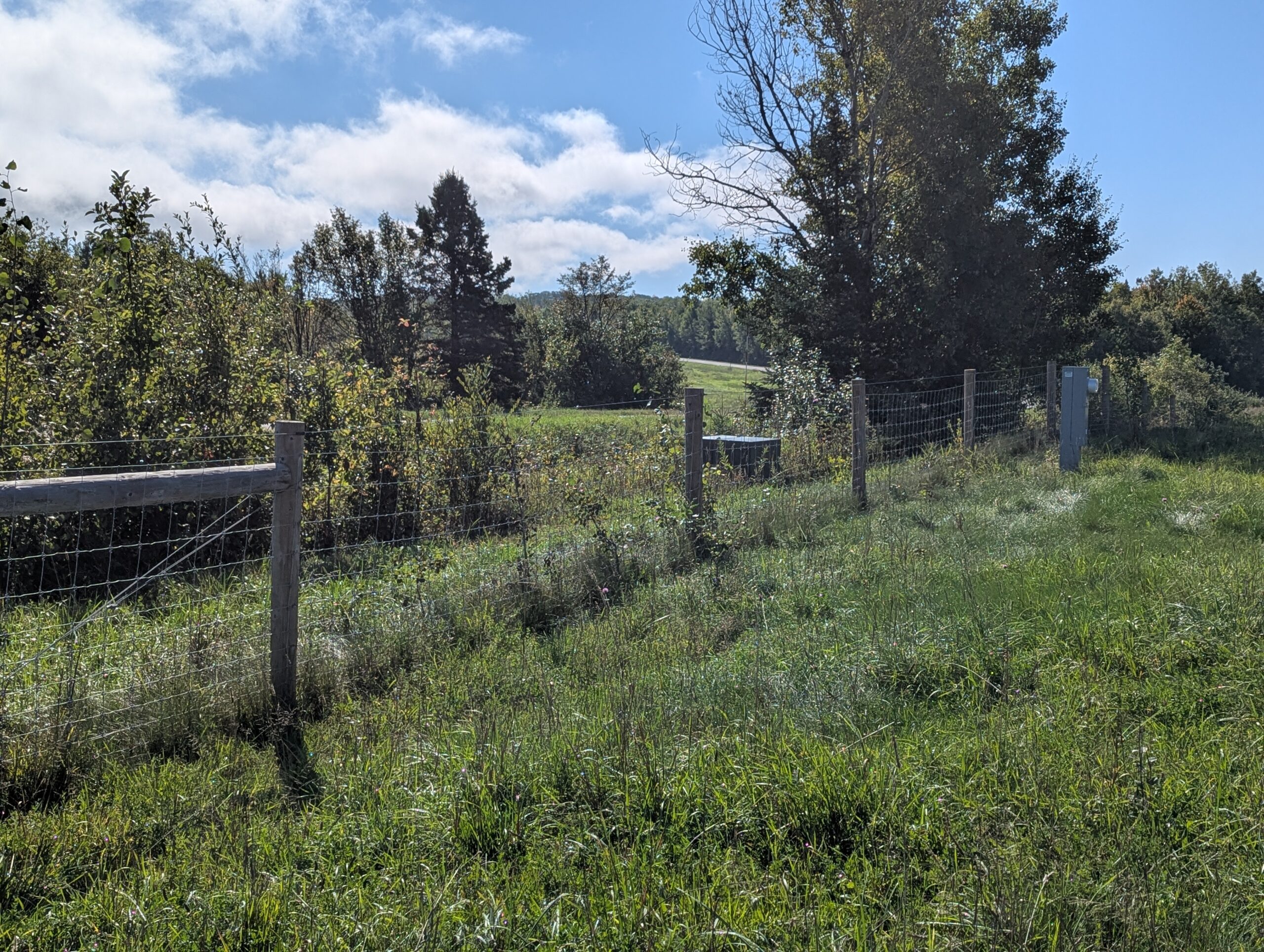
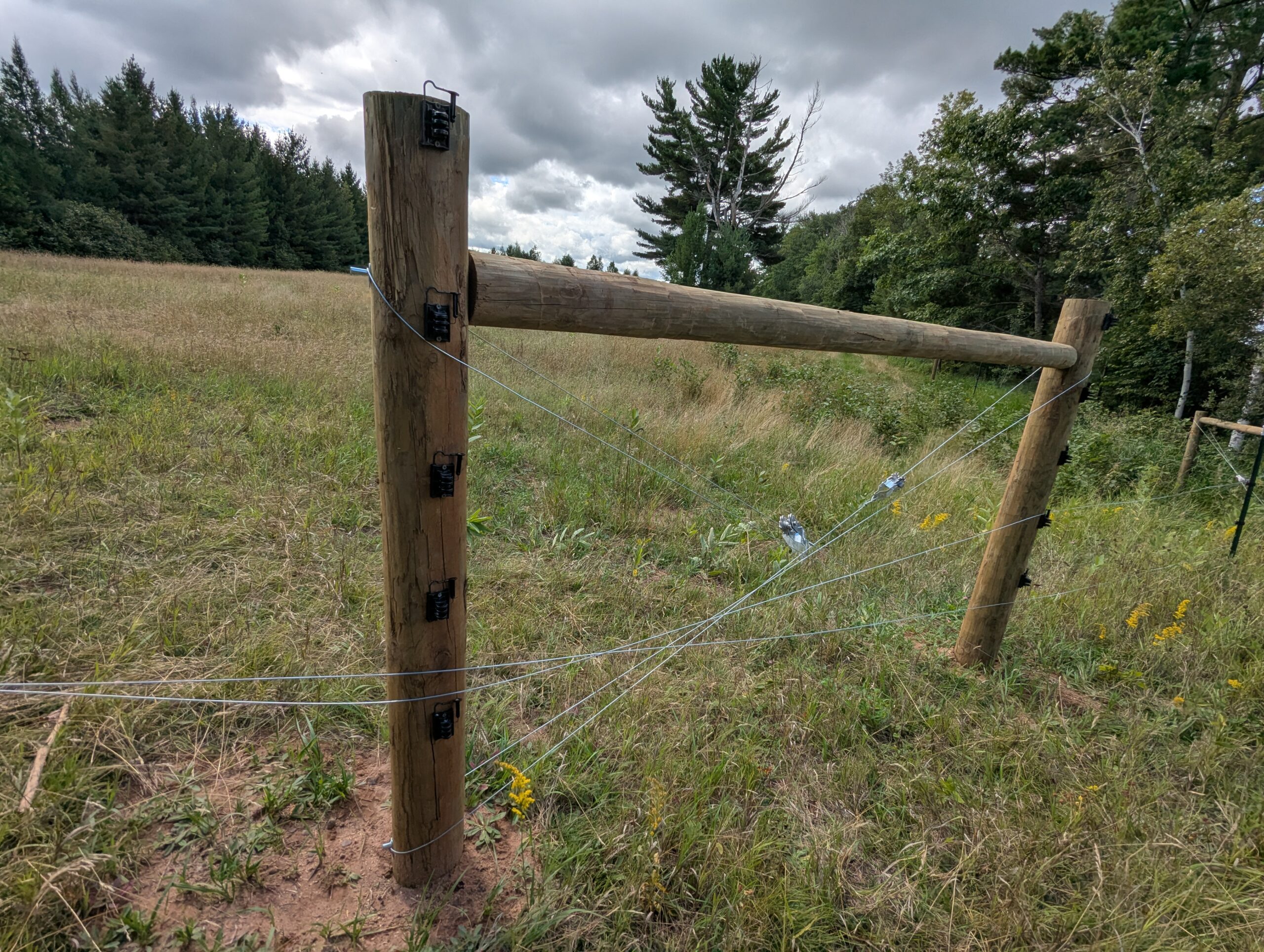
Close-up of a section of Native Wise’s expanded fencing system.
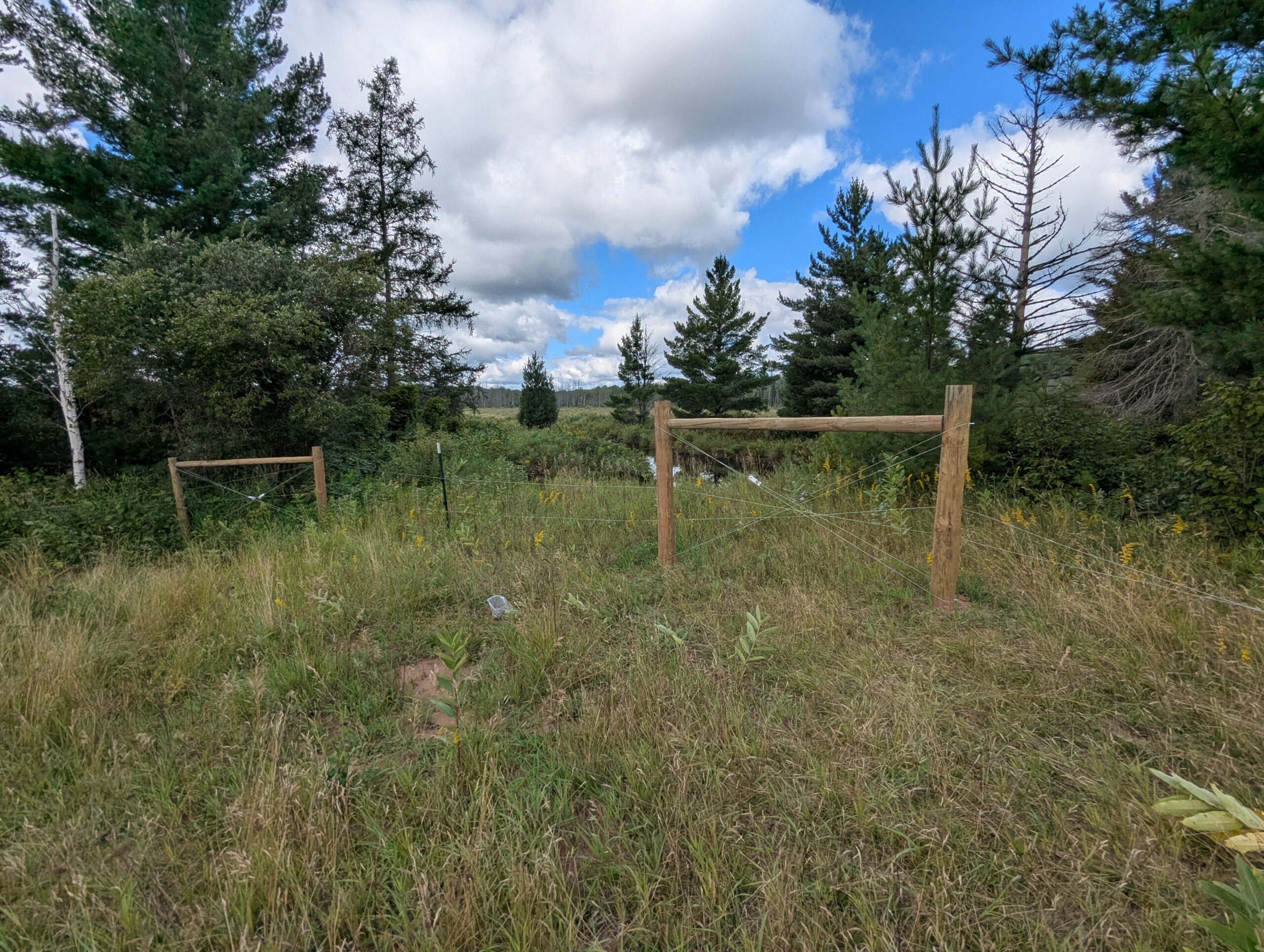
Expanded fencing on Native Wise farm, allowing for rotational grazing.

One of the biggest undertakings at Native Wise has been fencing. With support from the Grow Local Food Fund, David has been able to expand the fencing system by another mile, allowing for rotational grazing and protecting sensitive areas like a river cutting through the property from erosion. “We’ve been working on this project since spring,” he explained. “There’s a lot of brush to clear and posts to set, but we’re almost done.” 

The fencing isn’t just functional—it’s built to last. David is investing in quality materials, including sturdy wood posts at the corners, with the goal of creating infrastructure that will serve the farm for generations. His 8-year-old son has even pitched in, making it a true family effort. 

Shortly after Whole Foods Co-op’s visit, the fencing was complete and the herd was released into the new territory full of fresh grasses and plants. The bison excitedly ran in, like kids at a candy buffet.  

Looking ahead, David envisions expanding the farm’s impact through ecotourism. He’s considering adding yurts on the far side of the property, where visitors could wake up to the sight of bison safely grazing nearby. He’s also exploring the idea of adding goats to help manage brush that bison don’t eat and can quickly take over. 

For David, working with Whole Foods Co-op was a meaningful step for his business. “They were the only place we could get in as a small producer,” he said.  

Native Wise is growing stronger—preserving heritage, protecting the land, and building a future rooted in sustainability. When you round up for GIVE!, a portion of your donation goes to support the Grow Local Food Fund, and our regional farms and food producers, like Native Wise. Thank you for rounding up! 

Bison herd at Native Wise Farms.

Read Now
Various orange fruit graphics on a darker orange background.

neighborhood resources

With SNAP and other government assistance programs in jeopardy, we recognize that many members of our community may be impacted by food insecurity.  

Whole Foods Co-op remains a committed partner to regional food assistance programs, donating an average of $2,700 worth of food each week to local shelters, food shelves and on-site meal programs.  

In addition, starting Nov. 1, Whole Foods Co-op is accepitng donations to Second Harvest Northland at our registers, with 100% of donations being given to the nonprofit.

For those looking for assistance

There are a number of organizations in Duluth who provide direct assistance. A short list of some of Duluth resources includes:  

For those looking to help

The above nonprofits all take monetary donations. In the month of November you may also donate directly to Second Harvest at our cash registers.

If you’d like to contact your elected officials to advocate on behalf of SNAP shoppers to keep receiving their benefits regardless of whether the government remains shutdown, you can find their contact information by calling the U.S. Capitol Switchboard at (202) 224-3121 and telling them your address, or by looking up your legislators on GovTrack.US (scroll down to find the look-up tool).  

When you call, a staffer will answer and write down your comments to share with the Congressperson.  

You may use the following script, which may be modified as you’d like: 

My name is [____]. I am deeply concerned about the insufficient federal funding for SNAP. Due to the shutdown, I am asking the [Congressman/woman/person] to urge USDA Secretary Rollins to release funds available to USDA in the SNAP Contingency Reserve to be used to fund November SNAP benefits and issue clear guidance to states on how to navigate benefit issuance. Additionally, please urge USDA to use its statutory transfer authority or any other legal authority to fully fund November benefits. 

Thank you for your concern and engagement around this issue. 

Read Now

Co-op Partners Warehouse

A LEADER IN NATURAL AND ORGANIC DISTRIBUTION IN THE HEART OF MINNESOTA

Distributors are a crucial behindthe-scenes aspect of the grocery supply chain. They create a central spot where farmers and food producers can bring their food to then be efficiently dispersed across a region to individual stores. Whole Foods Co-op partners with several distributors, including fellow cooperative Co-op Partners Warehouse (CPW).

A CPW produce delivery arrives at Whole Foods Co-op.

CPW is a prominent wholesaler and distributor of natural and organic products in the Midwest. Committed to serving co-ops, local businesses, and food retailers, CPW has established itself as a key player in the growing natural food market.

Founded in 1999, CPW was developed by Edward Brown as an offshoot of his work as produce manager at the Wedge. CPW, part of today’s Twin Cities Co-op Partners, aims to offer higher-quality local and organic wholesale options Early on, CPW became a certified organic handler and has since focused on carrying organic produce, selling approximately $25 million worth of organic produce each year. Based in St. Paul, CPW started off by collaborating with The Wedge Coop, Seward Co-op, and Lakewinds Co-op. Over 20 years later, CPW has grown to serve over 400 clients, including Whole Foods Co-op.

Many popular local products are distributed through CPW. Even some of Whole Foods Co-op’s hyper-local products pass through CPW prior to landing on our shelves.

While this may seem like an extra step, it’s actually a great opportunity for local businesses to concentrate their efforts and benefit from a larger distribution network. It enables businesses to make one trip to drop off their products versus driving to dozens of individual stores. Small organizations can focus their time on other aspects of their business.

The system also creates efficiencies for grocery stores, like Whole Foods Co-op, where instead of ordering hundreds of products with hundreds of individual farmers and producers, the Co-op can work with a single entity.

Whole Foods Co-op shoppers benefit from the partnership with CPW. “We’re lucky to have a local distributer in our area,” said Brandon, Hillside Grocery Assistant Manager, “It creates an efficiency for ordering local products that not all co-ops have access to. It helps bring even more foods from Minnesota and Wisconsin to our community.”

In some instances, small businesses get their start at Whole Foods Co-op, and as sales grow, they’re able to leverage their strong sales and experiences to secure a spot with CPW. “It’s a good indicator that their business is growing,” said Brandon, “A local producer’s first step is direct ordering with local businesses like us, but the next step is working with a distributor to scale up your business. All good things!”

CPW can be a big step up for local producers on their journey to expand their reach and CPW values these relationships with local farmers and producers. Joleen Baker, CPW Director, shared, “The more we do to be better stewards to the partnerships, the better the relationships.”

In addition to taking care of their vendors, CPW’s foundations in the cooperative movement foster a strong sense of community responsibility. The organization contributes to the local area by donating to neighborhood food shelves and pantries. Additionally, the warehouse supports local farmers and producers through fair trade practices and direct sourcing. By prioritizing these values, the company not only enhances the quality of its products but also strengthens local economies, ensuring that profits remain local.

Nick, Whole Foods Co-op Denfeld Produce Manager, Gloria, CPW Sales Associate, Elyse, Hillside Produce Manager and Liam, Hillside Produce Assistant Manager.

With CPW as a partner, Whole Foods Co-op has been able to expand local offerings and provide Co-op shoppers with a larger variety of organic options. The partnership is yet another example of communities benefiting from cooperation among cooperatives.

Read Now
Jim sitting at a desk in an office holding a phone to his ear and writing on a pad of paper.

Staff Highlight: Jim R.

Jim sitting at a desk in an office holding a phone to his ear and writing on a pad of paper.

Jim R., Grocery Purchasing Lead, Hillside

Employee since 1998

Jim has been a buyer in the Grocery Department for 27 years, working with his fellow buyers to keep products on the shelves. “It’s a job that comes with a lot of troubleshooting and problem solving,” said Jim. Over the years, “I have enjoyed helping the Co-op grow into a force to be reckoned with,” he said.

When asked about his favorite thing about working at the Co-op, he replied, “I believe in the mission. The Co-op is the greenest business in town: we keep pesticides out of the water table by expanding organic acreage, we strengthen the regional economy by buying local (which reduces food miles/petroleum use), and we recycle and compost whatever we can. I love that we are community-owned by our friends and neighbors, as opposed to a corporation.”  

Favorite Food to Get at Whole Foods Co-op

Dried mangoes and dates with USDA organic seal.

  • Bulk organic dried mango
  • Stuffing bulk organic dates with local blue cheese

Read Now
Delores poses smiling in front of the deli grab-n-go case at the Denfeld Whole Foods Co-op.

Staff Highlight: Dolores M.

Dolores M., Deli Cook/Baker, Denfeld  

Employee since 2005  

Dolores remembers working at the Co-op back when it was where Burrito Union is now. “That’s where I started training,” she said. She followed the Co-op in their move to the current Hillside store, then transferred to Denfeld when it opened because it was closer to home. 

Delores poses smiling in front of the deli grab-n-go case at the Denfeld Whole Foods Co-op.

Anybody who’s tried the Deli’s beloved Grab ‘n Go items, has likely enjoyed one of Dolores’ creations. “I do a little bit of everything,” she said, which includes the salads, sandwiches, and soups. She’ll also occasionally do bakery, in addition to keeping the Deli stocked and “looking pretty” throughout the day.   

Over the years, the biggest change Dolores has noticed has been the Co-op’s “tremendous” growth. “I’ve heard so many people say that it’s such an asset to the community, and it’s gone from this little thing when I first started here.”   

And though we can’t prove it, we think it’s in part due to Dolores’ Fog City Pasta recipe.  

Favorite Food to Get at Whole Foods Co-op

Pasta salad and cranberry tuna salad with Co-op Made logo.
  • Deli Fog City Pasta Salad
  • Deli Cranberry Tuna Salad

She developed the recipe for both!

Read Now
Dylan poses smiling at the customer service counter at the Hillside Whole Foods Co-op.

Staff Highlight: Dylan S.

Dylan poses smiling at the customer service counter at the Hillside Whole Foods Co-op.

Dylan S., Front End Assistant Manager, Hillside 

Employee since 2009 

Dylan started as a part-time Front End Clerk, and over the years has been promoted to Manager on Duty, then Front End Assistant Manager. He takes pride in guiding the department towards their goal of providing the best customer service possible. And though he’s known for treating everyone like a star, he particularly relishes the memory of bagging an Academy Award winning actress’s groceries. “More than once!” he added with a smile.  

Dylan has seen the Hillside store grow and evolve since he started. “There was a bank in what is now our parking lot,” he reflected. “We also expanded our indoor seating area and installed green flooring.” And while many things have changed over the years, some foundational aspects of working at Whole Foods Co-op remain, including valuing its people. “My favorite thing about working at the Co-op is the relationships that I’ve developed with such a wide variety of co-workers.”

Favorite Food to Get at Whole Foods Co-op

  • Deli Red Curry Tofu
  • Food Farm carrots

Read Now

Staff Highlight: Nick S.

Nick S., Produce Manager, Denfeld

Employee since 2014

Nick started as the Produce Assistant Manager at Hillside, and when the Denfeld store opened in 2016, he was promoted to Produce Department Manager to oversee the new department. And while his roles and responsibilities have evolved, he has continued to ensure our shoppers are greeted by fresh, fragrant, local and colorful flowers and foods the moment they walk into our stores.  

Nick’s days are varied, as he manages all aspects of the produce department, including personnel, product and department financial metrics. He also works directly with farmers to support the local produce season. “Sometimes I get to stock produce, sometimes I get to buy produce,” he said of his role. But as far as what he loves about being a Produce Manager, it’s “the people I work with,” he said. “Learning from and building relationships with co-workers and local farmers and growers in our community and beyond continues to be my favorite thing about my work.”

  • Deli Chicken & Lime Burrito
  • Equal Exchange Organic Midnight Sun Coffee

Read Now
A blue garbage dumpster with a Hartels Disposal label on it stands next to a sign that says "Food Scraps Drop Site" in the Denfeld Whole Foods Co-op parking lot.

Closing the Loop

Whole Foods Co-op and Resource Renew Celebrate Compost Partnership

Compost is a nutrient-rich addition to any garden. Previously known as Garden Green, Premium Compost is a special compost created from local food scraps and yard waste and  is processed right here in Duluth at Resource Renew, the brand of the Western Lake Superior Sanitary District. Premium Compost is available seasonally at both Whole Foods Co-op stores. 

Given the popularity of Premium Compost and our Owners’ love for composting, in April 2025, the Denfeld store became a Food Scrap Drop Site for Resource Renew’s composting program, making it easier than ever for Co-op shoppers to practice composting.  

“Shoppers have been asking for us to be a Food Scrap Drop Off Site,” said Erika Osterman, Store Manager of our Denfeld location. “We’re thrilled to be able to provide this service and to help make it easier for our neighbors to keep food scraps out of the landfill.” 

A blue garbage dumpster with a Hartels Disposal label on it stands next to a sign that says
Food Scraps Drop Site bin at the Denfeld Whole Foods Co-op.
Two people at the Denfeld Whole Foods Co-op are standing next to a table with table cloth and runner with the Resource Renew logo. One is wearing a headband with a banana on top and the other has a watermelon wedge headband. There are boxes of compostable bags and information about composting on the table.
Dori Decker and Lorilee Blais, Resource Renew Environmental Program Coordinators, tabling at the Food Scraps Drop Site Launch Party at the Denfeld Whole Foods Co-op.

Whole Foods Co-op is excited to build on its partnership with Resource Renew, whose composting program keeps over 2,500 tons of organic matter out of landfills every year.  

When asked why composting is so important, Dori Decker, Environmental Program Coordinator at Resource Renew shared, “Twenty percent of the trash in our district that is going to the landfill is food waste. Diverting food scraps from the landfill can preserve the longevity of our region’s landfill, which is projected to close in 2026, reduce greenhouse gas emissions, and reduce household trash volume (which can mean savings for the household!).”  

The Food Scraps Drop Site bin is open 24/7 for people to deposit their food scraps. At-home food scraps buckets and BPI-certified compostable bags are available for free through Resource Renew, and additional bags are available for sale at both Co-op stores. Resource Renew encourages the use of BPI-certified bags to keep the drop sites clean and reduce critters and bugs.  

Plastic buckets with lids and the Resource Renew logo.

This partnership between Whole Foods Co-op and Resource Renew closes the loop, turning food scraps into valuable compost while supporting the environment. Owners, shoppers, and community members are invited to use the Food Scrap Drop Off Site in their composting routine and are encouraged to complete the loop by looking for Resource Renew Premium Compost at Whole Foods Co-op every spring to nurture their gardens.

A large bag of Resource Renew Compost with two boxes of BioBag compostable food scraps bags, sizes small and tall.


Resource Renew Premium Compost and BioBag BPI Certified Food Scrap Bags are available seasonally at both Whole Foods Co-op stores! 

The Composting Process

Just how does a banana peel and coffee grounds become compost, a nutrient-rich soil? They follow a 9-month journey at Resource Renew’s facility. 

Steps: 

  1. Material Collection: Residents and businesses drop off organic materials at designated sites, including the Whole Foods Co-op Denfeld store. Drop site accepted materials include food scraps and BPI-certified compostable products, which are free of plastic, metals, and other non-compostable items. Please note that yard waste is to only be dropped off at the Yard Waste Compost Site. 
  2. Sorting: Collected materials are transported to the composting facility, where they are meticulously sorted to remove contaminants. 
  3. Grinding: Larger organic materials are ground into smaller pieces to accelerate decomposition. 
  4. Mixing and Aeration: Ground materials are combined with the daily delivery of food scraps to create a uniform mix of carbon-rich and nitrogen-rich materials. Aeration promotes microbial activity, essential for effective decomposition. 
  5.  Active Composting: Compost is placed in large, aerated windrows, or piles, for several weeks, with staff monitoring temperature, moisture, and oxygen levels. High temperatures help eliminate pathogens and weed seeds. Compost can reach temperatures exceeding 150 degrees. 
  6. Turning and Monitoring: The compost pile is periodically turned to maintain optimal conditions for microbial activity. 
  7. Curing: After active composting, the material cures for several months, allowing it to mature and stabilize its nutrients. 
  8.  Screening and Packaging: Mature compost is screened to remove oversized particles and contaminants, then packaged for distribution. 
  9.  Community Distribution: Premium Compost is available for purchase throughout the area, including at both Whole Foods Co-op stores.  

Compost information provided by Resource Renew. 

Read Now