
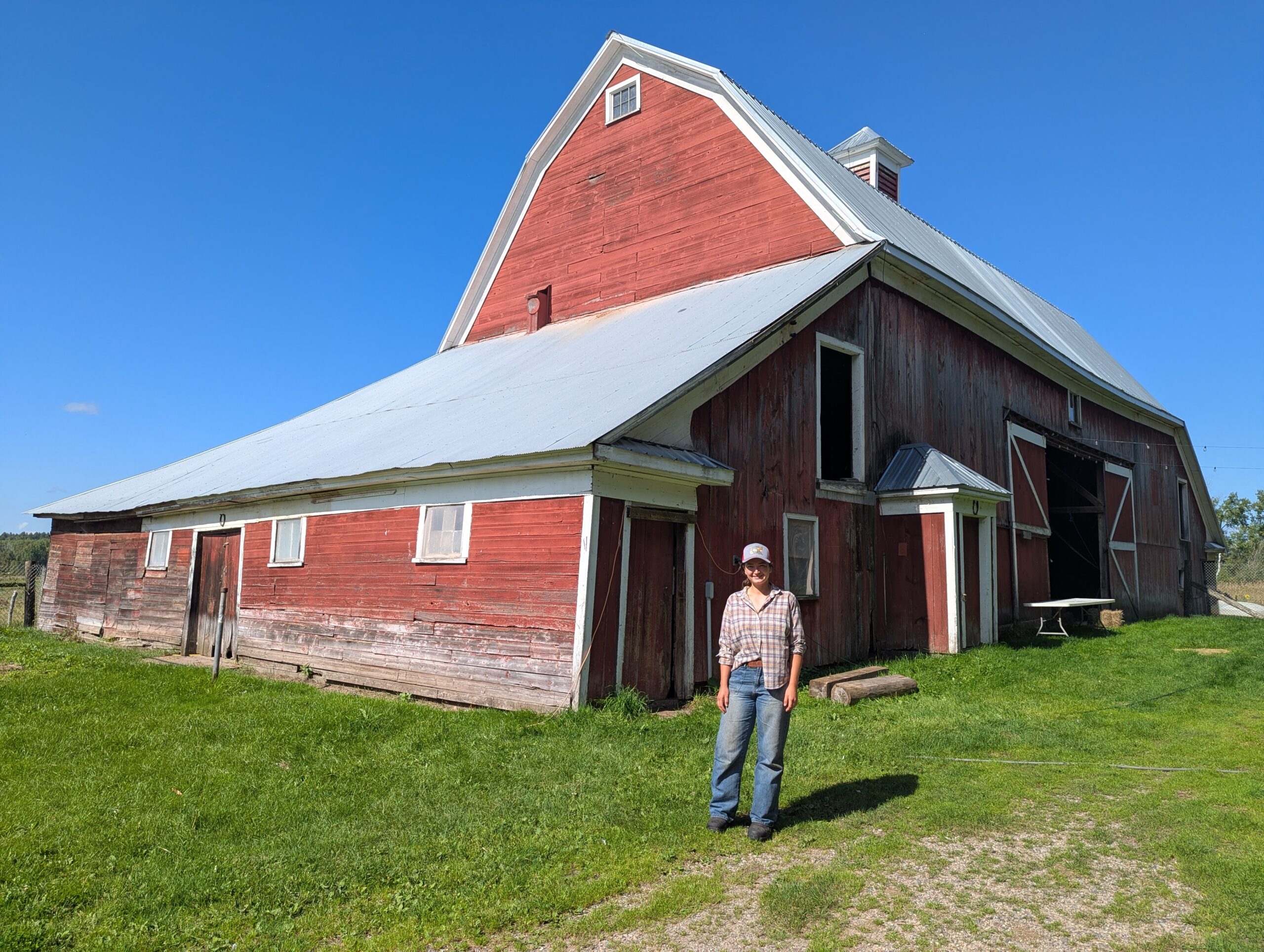
Madeline, owner of Hoop Snake Farm, poses in front of the barn.

Hoop Snake Farm

HOOP SNAKE FARM: RESTORING HISTORY AND REGENERATING LAND
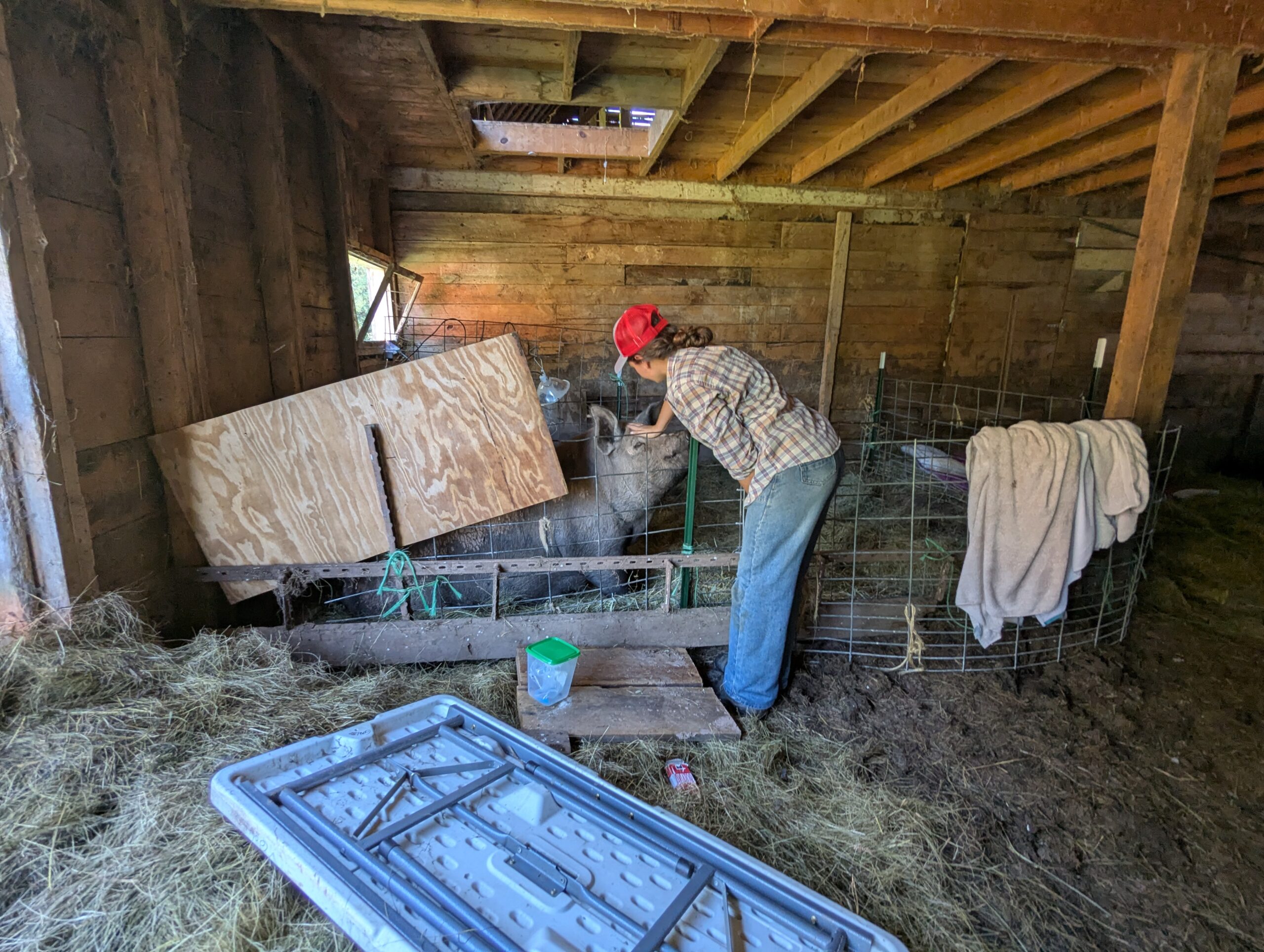
Madeline, owner of Hoop Snake Farm, checks on a farrowing pig in the barn.

At Hoop Snake Farm in Douglas County, Wisconsin, history and innovation meet in a 125-year-old barn that’s getting a second life. Owned and operated by a passionate farmer with a background in agricultural anthropology, the farm is a living example of regenerative agriculture, community engagement, and historic preservation. 

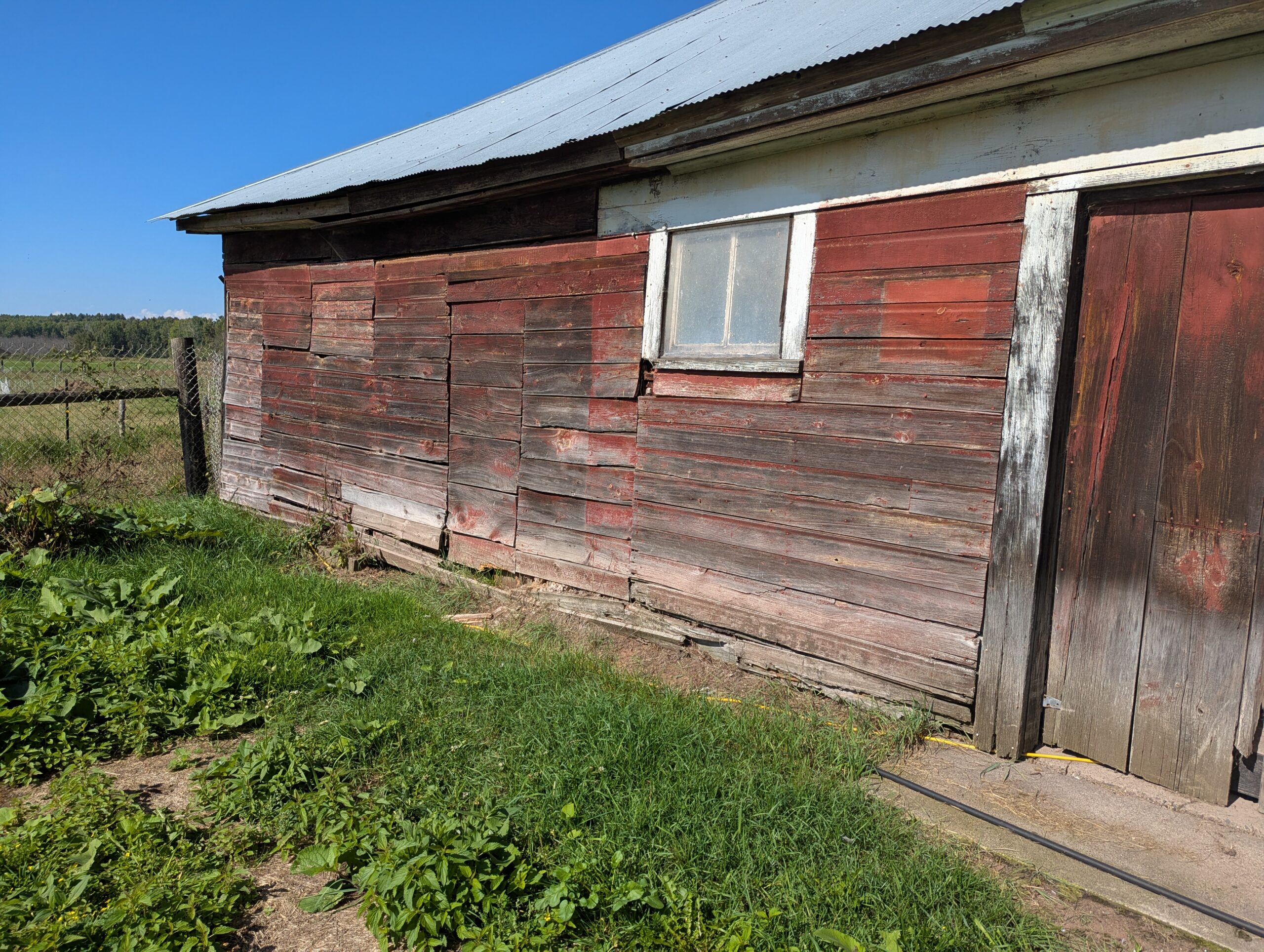
“This barn is 125 years old this year,” Madeline, owner of Hoop Snake Farm shared. “Many people have told me it’s the oldest barn in Douglas County.” With the help of the Grow Local Food Fund grant, repairs are underway—starting with a crumbling wall and foundation that will be shored up and framed out. The lumber for the restoration was custom-milled by an Amish sawmill, a nod to the farm’s commitment to traditional craftsmanship and sustainability. 

But Hoop Snake Farm is more than just a barn. It’s home to many animals, including pigs, sheep, and chickens. The barn serves as a shelter for sows to farrow. On the day of Whole Foods Co-op’s visit, there was a mother who was nestled in, ready to give birth any minute. “I slept out here last night,” Madeline said, nodding towards a sleeping bag in the hay. “I want to be here when it happens.” 
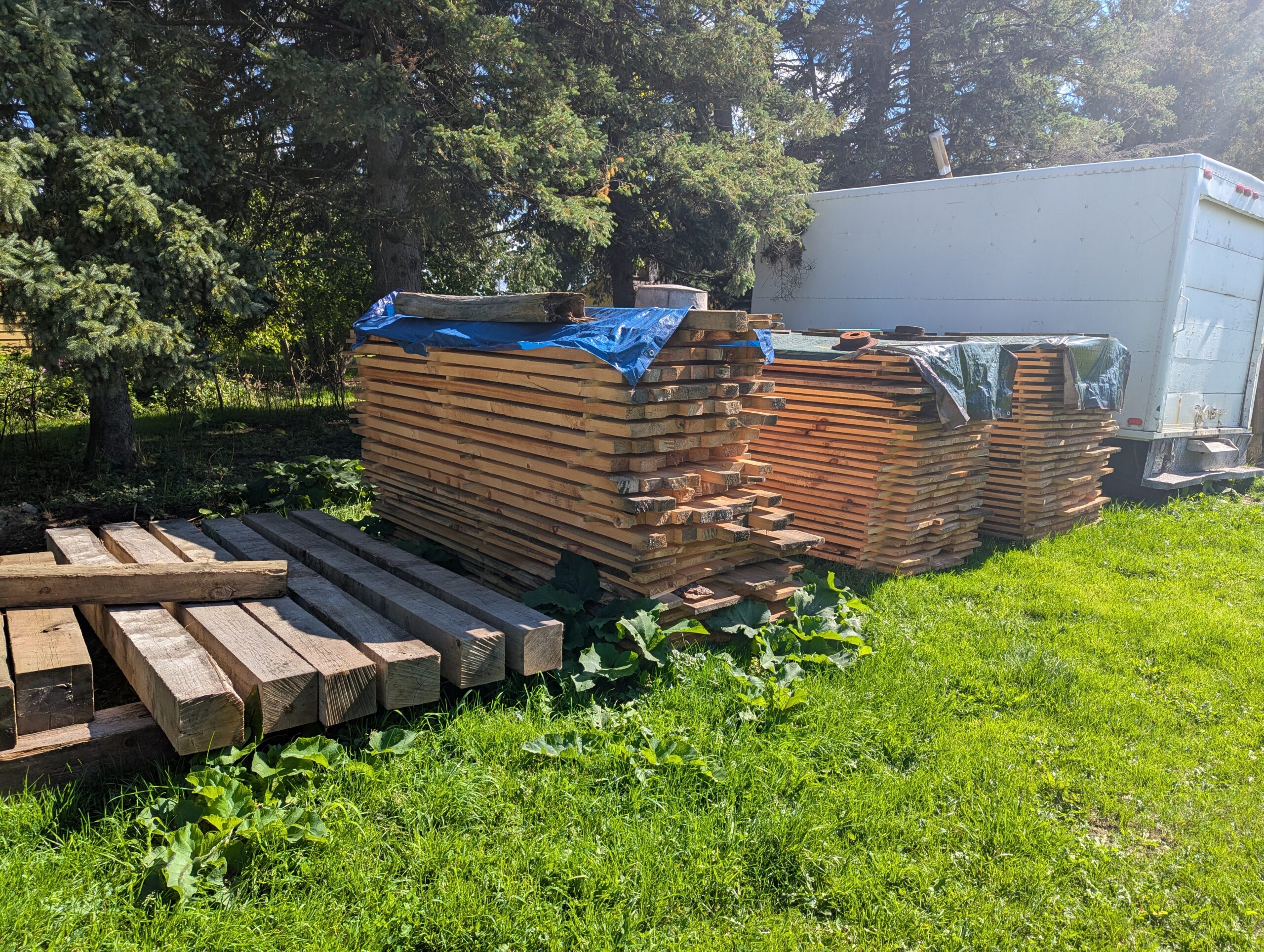
Stacks of lumber that were used in Hoop Snake’s barn repair project.
The barn exterior before repairs.

The barn also provides warmth and protection for other babies on the farm, as well as a winter haven for sheep, and a hub for hay storage. It’s also a venue for community events, including concerts and fundraisers that support the local food pantry. 

Beyond fixing up the barn, the farm is looking at sustaining itself far into the future, in part by planting nut-producing trees like white oak and black walnut to create shade, habitat, and future food sources for livestock. “In 30 years, it would be wild to have black walnut-fed hogs,” Madeline said. “It would reduce reliance on imported grain and create a more self-sustaining system.” The trees were planted with support from a grant through the Cable Community Garden and Natural History Museum. 

The farm’s approach to animal care is thoughtful and hands-on. Piglets are trained to respect electric fencing, which allows for rotational grazing and minimizes environmental impact. “When pigs first encounter electric wire, they run forward, so we train them in a controlled space first,” Madeline explained. Rotational grazing also supports soil health and allows cover crops to thrive behind the animals. 
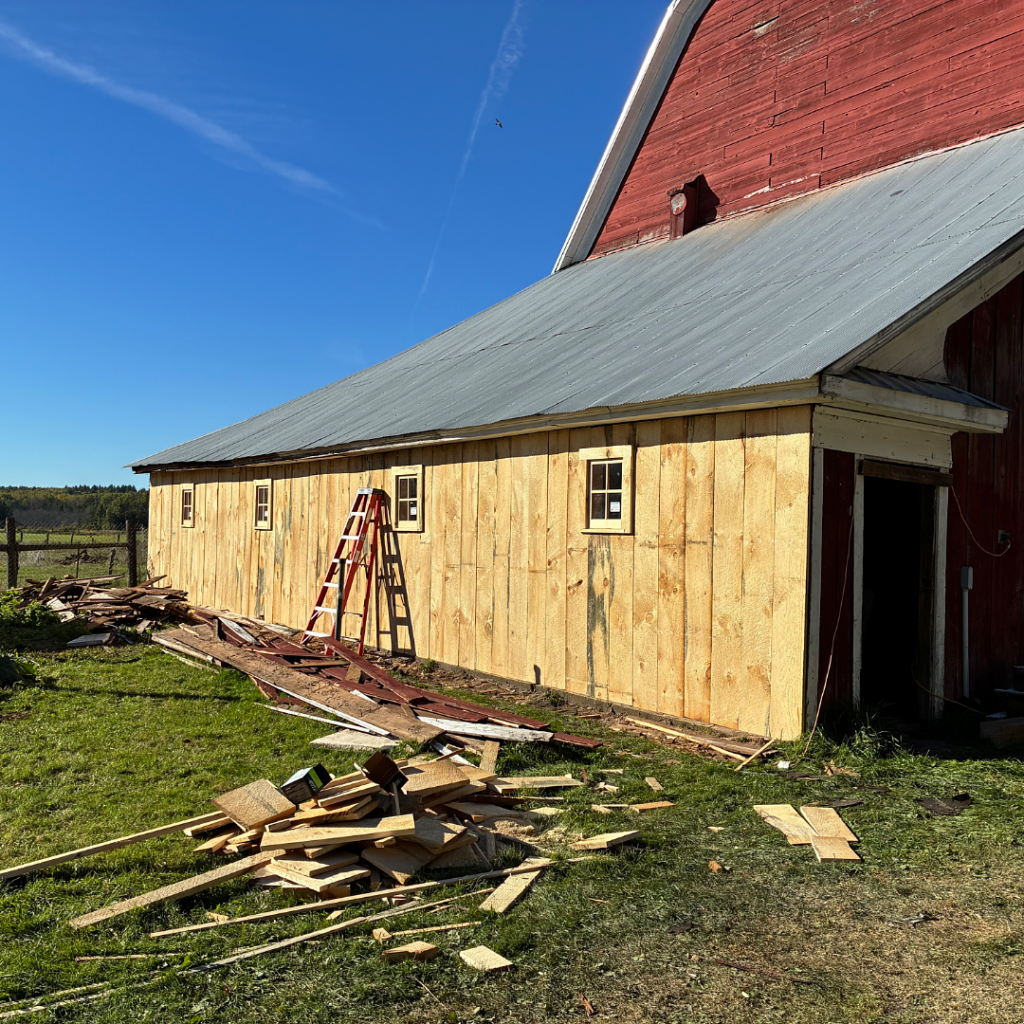
Hoop Snake's barn being repaired with wood planks.
Hoop Snake’s barn being repaired with new lumber.

Despite only being on the property for a year and a half, Madeline has made large strides. The Grow Local Food Fund grant has helped kickstart essential repairs and laid the foundation for future educational programming in the barn. “The goal is to use this space for events and learning,” Madeline said. “And eventually, to kick the pigeons out of the loft and make room for hay.”

The meat produced at Hoop Snake Farm is available at the farm stand at 5829s County Rd H, Brule, WI; through their website hoopsnakefarm.com, their Facebook or Instagram pages @hoopsnakefarm, through the Maple, WI Reko Ring Facebook page, and at Darlings Grocery on Madeline Island or Juneberry Corner Store in Bayfield.

With deep respect for the land’s history and a clear vision for its future, Hoop Snake Farm is cultivating more than crops—it’s growing community, resilience, and a legacy of stewardship.

When you round up for GIVE!, a portion of your donation goes to support the Grow Local Food Fund, and our regional farms and food producers, like Hoop Snake Farm. Thank you for rounding up!

Connect with Hoop Snake Farm on Instagram and Facebook: @hoopsnakefarm 
Read Now
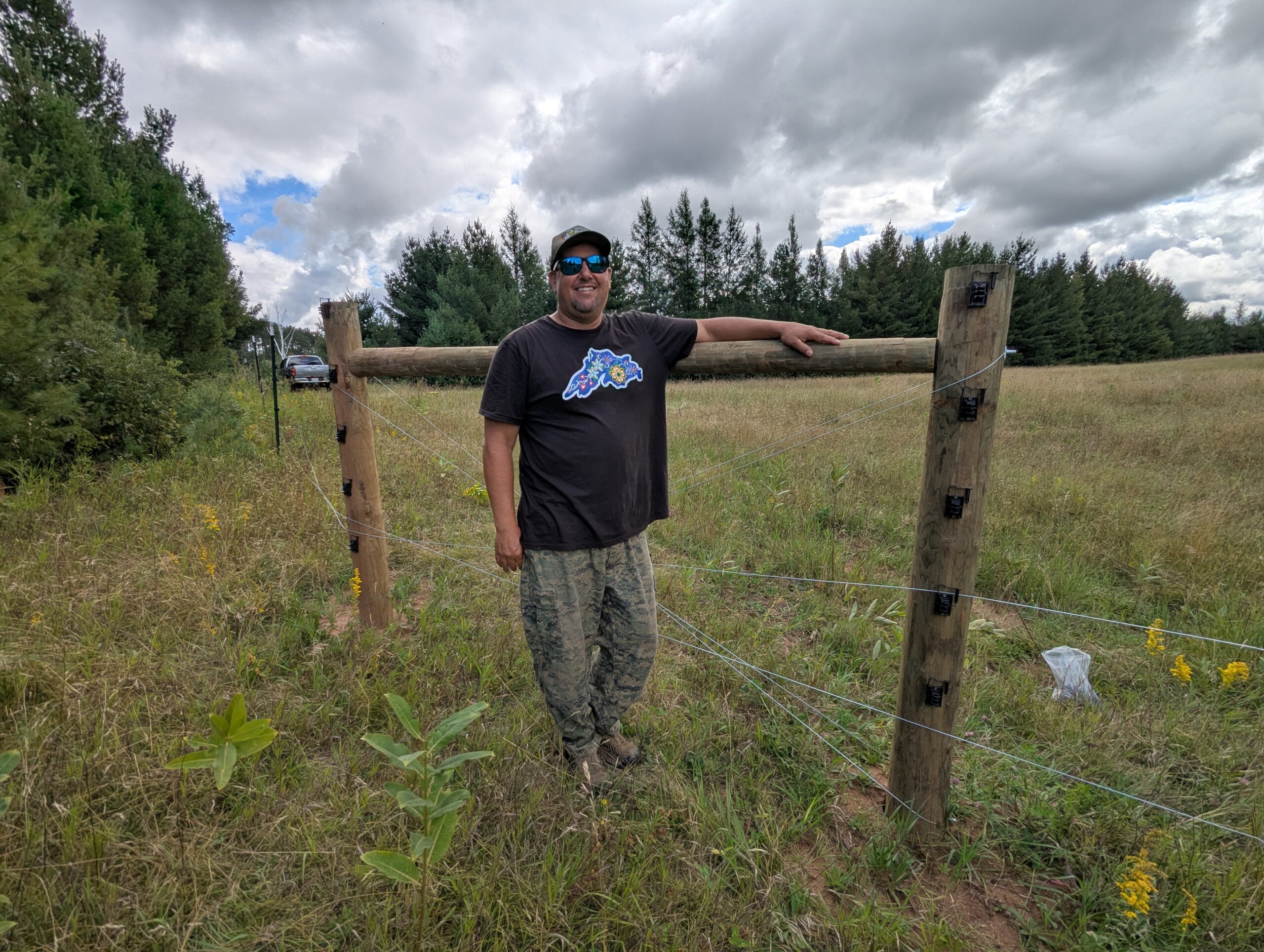
David Wise with the expanded fencing he installed through the Grow Local Food Fund Grant.

Native Wise

NATIVE WISE: RESTORING LAND, RAISING BISON, AND BUILDING FOR THE FUTURE

David Wise with the expanded fencing he installed through the Grow Local Food Fund Grant.
David Wise of Native Wise

At Native Wise, David Wise is doing more than raising bison—he’s reconnecting with his family’s land and restoring its natural rhythms. Located in Sawyer, MN, the farm at the center of their Native-owned and operated business is a labor of love and legacy, built on land that has been in David’s family for generations. “It’s good to be back on the land and helping it be productive again,” he shared. 

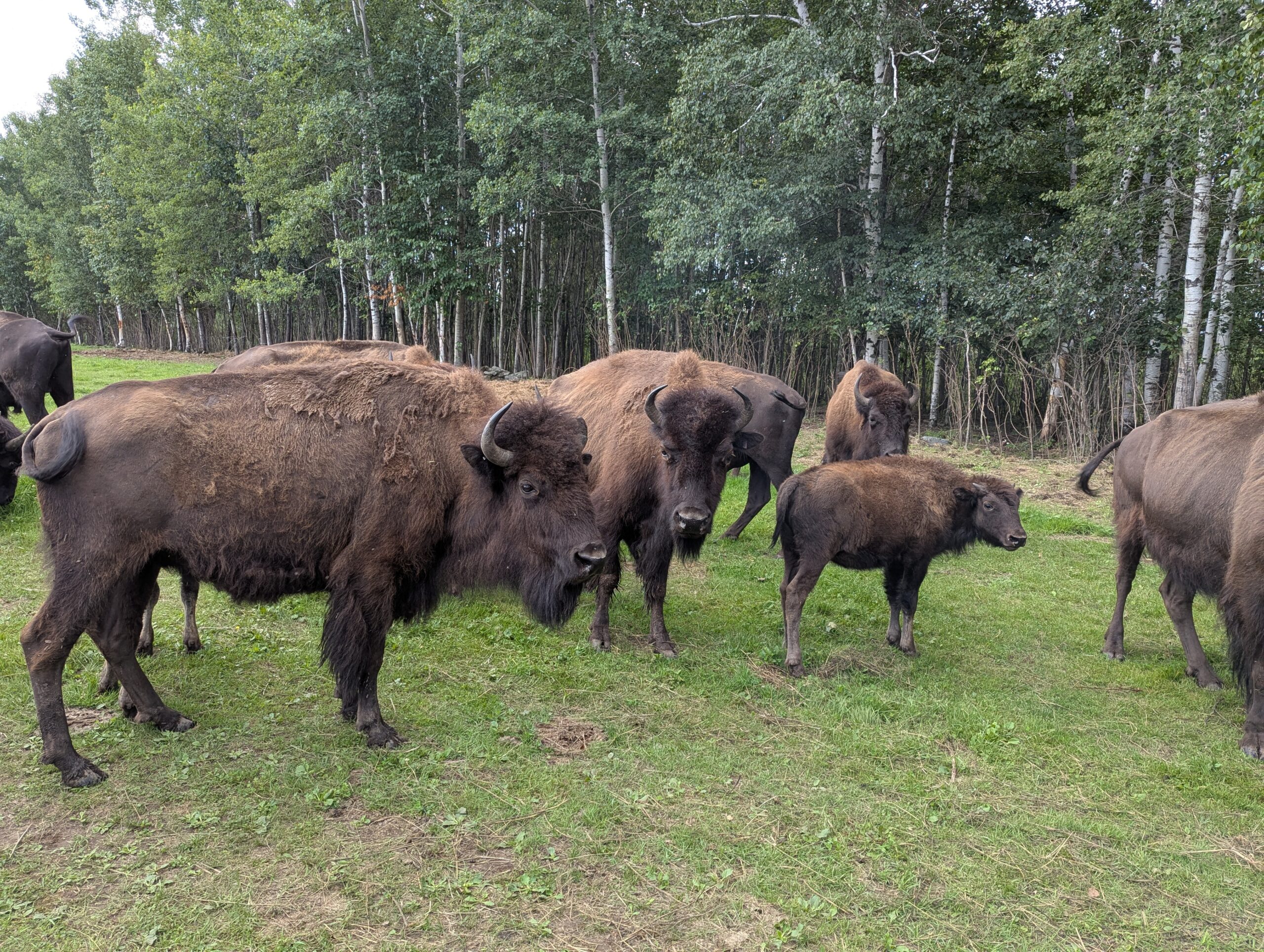
Four years ago, David began the journey of bison ranching. The bison are thriving, helping to bring back native grasses and contributing to the health of the ecosystem. “They really fit well here on the landscape,” David said. “They’re doing a nice job of grazing, which mimics the natural cycles—similar to fire—by eating down the grass.” 

Native Wise’s bison are unique—they come from natural preserves and don’t carry cattle genes. David is also planning to cross his herd with wood bison, which are more naturally suited to the region. “Historically, wood bison would’ve been here, along with moose and caribou,” he said. “It’s about restoring what would’ve naturally existed.” 

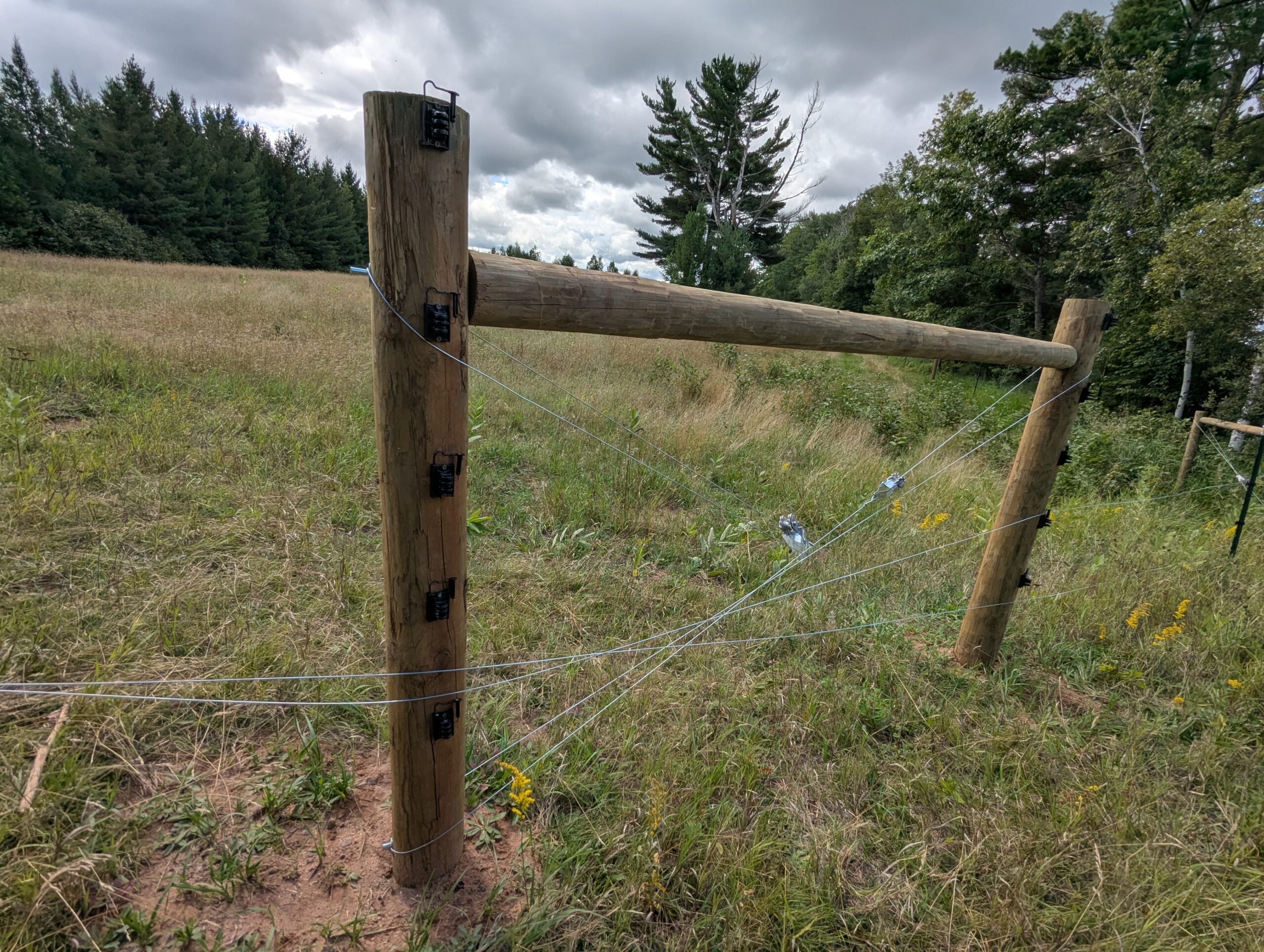
Close-up of a section of Native Wise’s expanded fencing system.
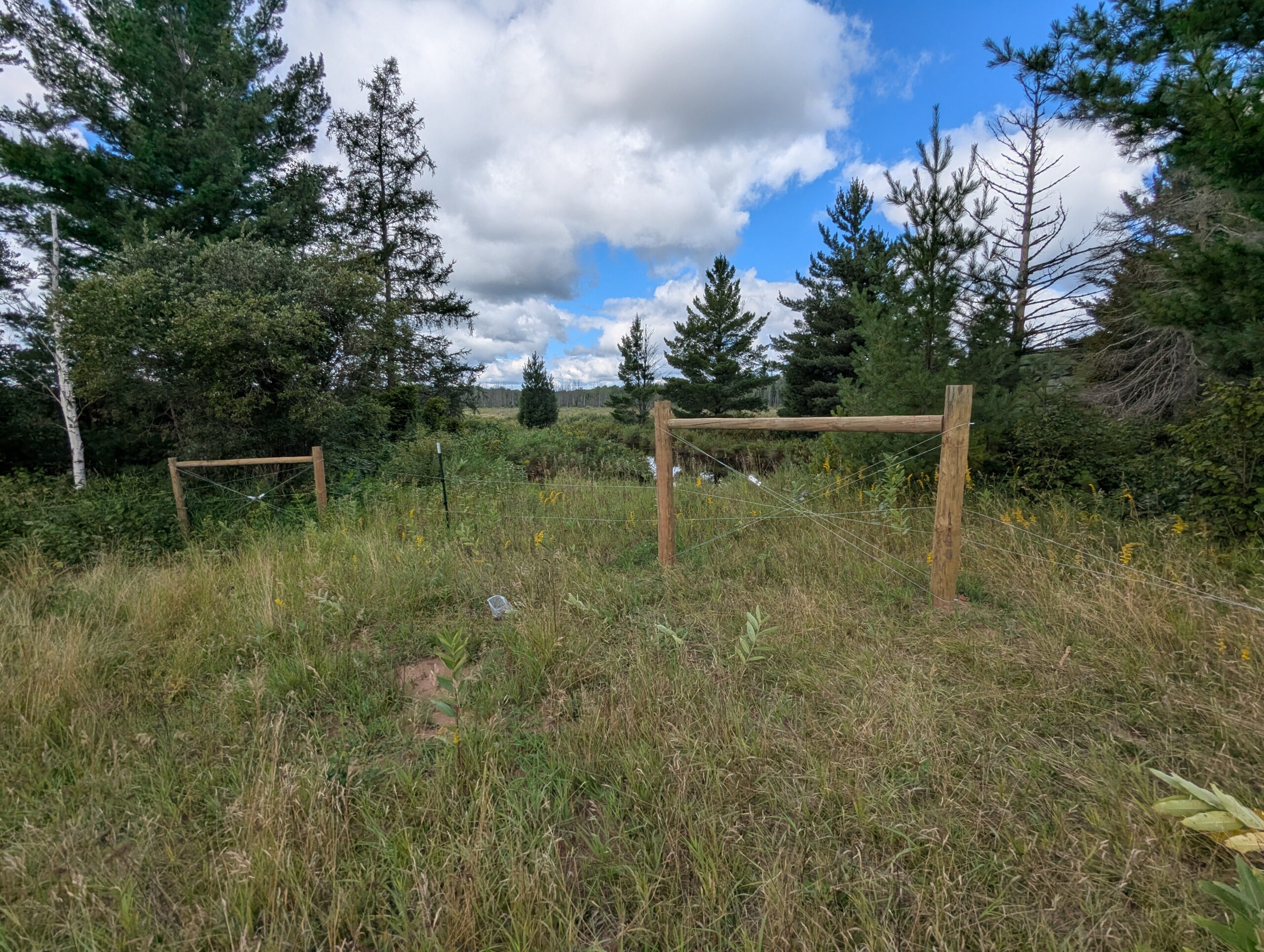
Expanded fencing on Native Wise farm, allowing for rotational grazing.

One of the biggest undertakings at Native Wise has been fencing. With support from the Grow Local Food Fund, David has been able to expand the fencing system by another mile, allowing for rotational grazing and protecting sensitive areas like a river cutting through the property from erosion. “We’ve been working on this project since spring,” he explained. “There’s a lot of brush to clear and posts to set, but we’re almost done.” 

The fencing isn’t just functional—it’s built to last. David is investing in quality materials, including sturdy wood posts at the corners, with the goal of creating infrastructure that will serve the farm for generations. His 8-year-old son has even pitched in, making it a true family effort. 

Shortly after Whole Foods Co-op’s visit, the fencing was complete and the herd was released into the new territory full of fresh grasses and plants. The bison excitedly ran in, like kids at a candy buffet.  

Looking ahead, David envisions expanding the farm’s impact through ecotourism. He’s considering adding yurts on the far side of the property, where visitors could wake up to the sight of bison safely grazing nearby. He’s also exploring the idea of adding goats to help manage brush that bison don’t eat and can quickly take over. 

For David, working with Whole Foods Co-op was a meaningful step for his business. “They were the only place we could get in as a small producer,” he said.  

Native Wise is growing stronger—preserving heritage, protecting the land, and building a future rooted in sustainability. When you round up for GIVE!, a portion of your donation goes to support the Grow Local Food Fund, and our regional farms and food producers, like Native Wise. Thank you for rounding up! 

Bison herd at Native Wise Farms.

Read Now
Various orange fruit graphics on a darker orange background.

neighborhood resources

With SNAP and other government assistance programs in jeopardy, we recognize that many members of our community may be impacted by food insecurity.  

Whole Foods Co-op remains a committed partner to regional food assistance programs, donating an average of $2,700 worth of food each week to local shelters, food shelves and on-site meal programs.  

In addition, starting Nov. 1, Whole Foods Co-op is accepitng donations to Second Harvest Northland at our registers, with 100% of donations being given to the nonprofit.

For those looking for assistance

There are a number of organizations in Duluth who provide direct assistance. A short list of some of Duluth resources includes:  

For those looking to help

The above nonprofits all take monetary donations. In the month of November you may also donate directly to Second Harvest at our cash registers.

If you’d like to contact your elected officials to advocate on behalf of SNAP shoppers to keep receiving their benefits regardless of whether the government remains shutdown, you can find their contact information by calling the U.S. Capitol Switchboard at (202) 224-3121 and telling them your address, or by looking up your legislators on GovTrack.US (scroll down to find the look-up tool).  

When you call, a staffer will answer and write down your comments to share with the Congressperson.  

You may use the following script, which may be modified as you’d like: 

My name is [____]. I am deeply concerned about the insufficient federal funding for SNAP. Due to the shutdown, I am asking the [Congressman/woman/person] to urge USDA Secretary Rollins to release funds available to USDA in the SNAP Contingency Reserve to be used to fund November SNAP benefits and issue clear guidance to states on how to navigate benefit issuance. Additionally, please urge USDA to use its statutory transfer authority or any other legal authority to fully fund November benefits. 

Thank you for your concern and engagement around this issue. 

Read Now

Co-op Partners Warehouse

A LEADER IN NATURAL AND ORGANIC DISTRIBUTION IN THE HEART OF MINNESOTA

Distributors are a crucial behindthe-scenes aspect of the grocery supply chain. They create a central spot where farmers and food producers can bring their food to then be efficiently dispersed across a region to individual stores. Whole Foods Co-op partners with several distributors, including fellow cooperative Co-op Partners Warehouse (CPW).

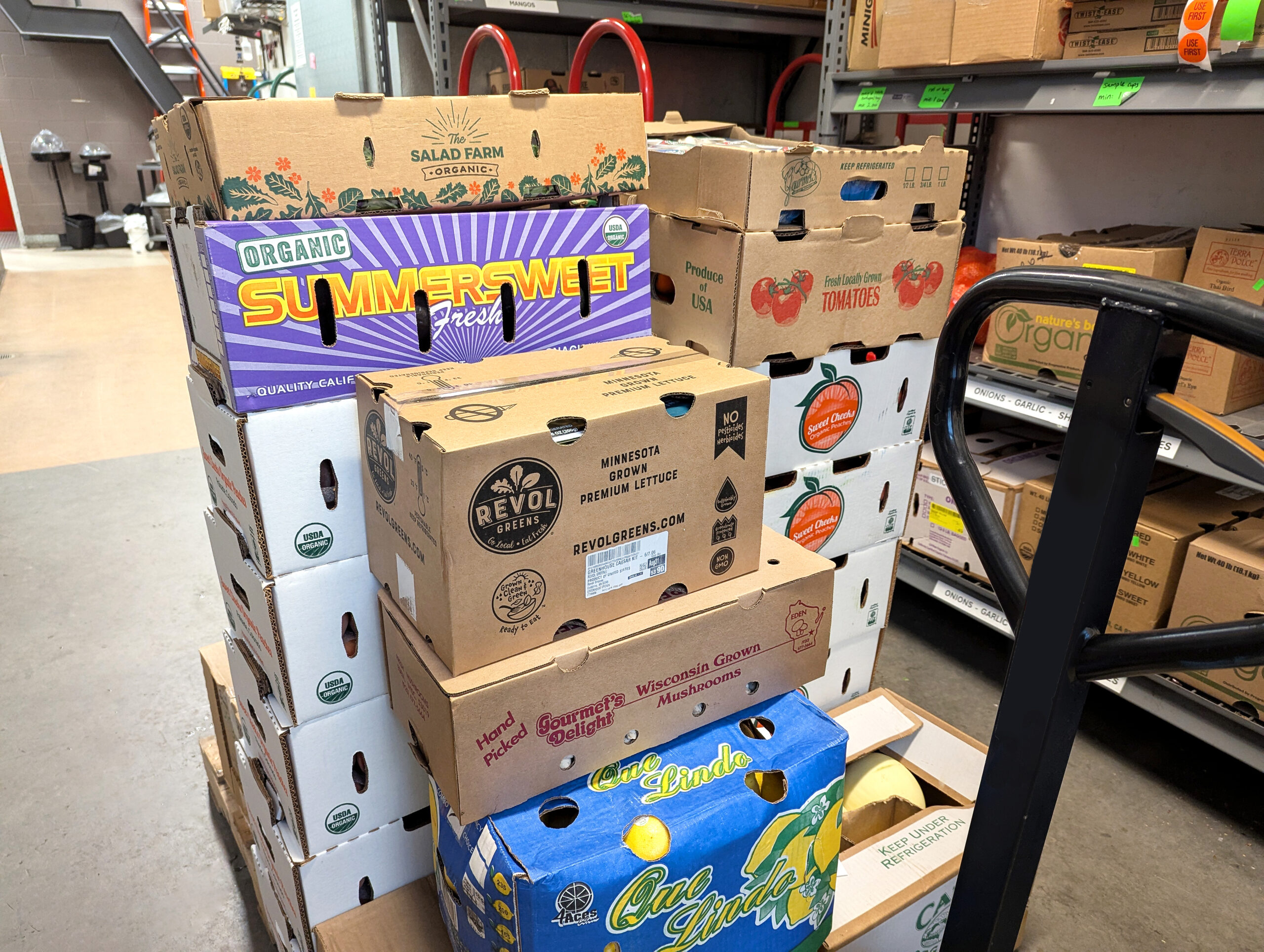
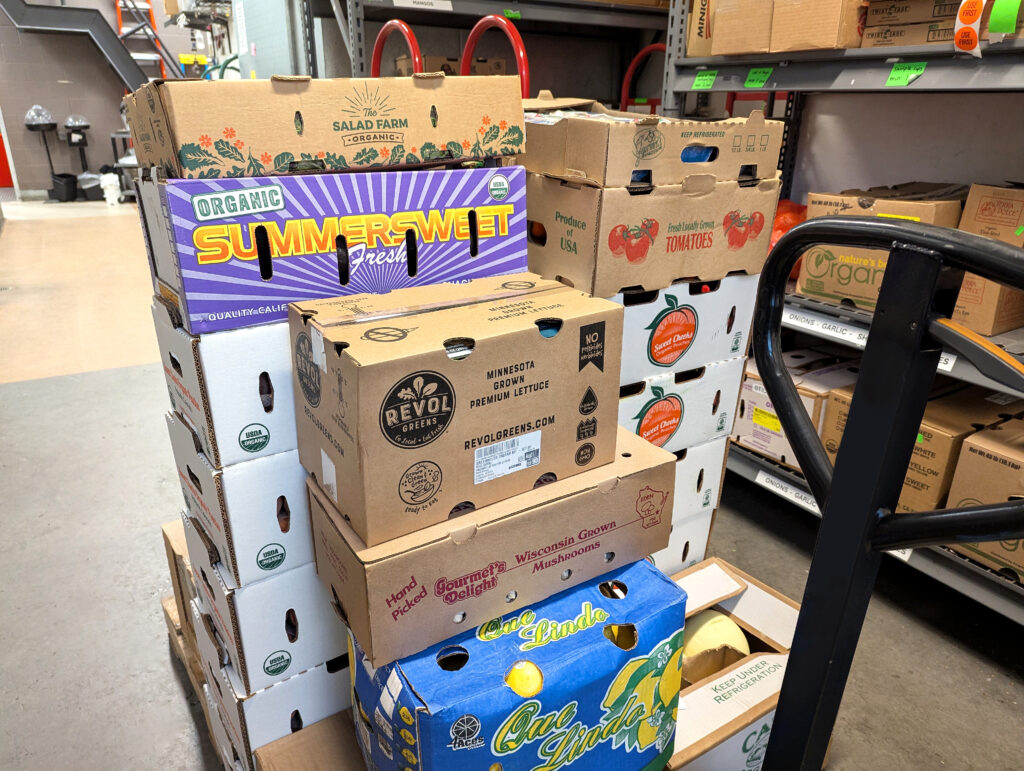
A CPW produce delivery arrives at Whole Foods Co-op.

CPW is a prominent wholesaler and distributor of natural and organic products in the Midwest. Committed to serving co-ops, local businesses, and food retailers, CPW has established itself as a key player in the growing natural food market.

Founded in 1999, CPW was developed by Edward Brown as an offshoot of his work as produce manager at the Wedge. CPW, part of today’s Twin Cities Co-op Partners, aims to offer higher-quality local and organic wholesale options Early on, CPW became a certified organic handler and has since focused on carrying organic produce, selling approximately $25 million worth of organic produce each year. Based in St. Paul, CPW started off by collaborating with The Wedge Coop, Seward Co-op, and Lakewinds Co-op. Over 20 years later, CPW has grown to serve over 400 clients, including Whole Foods Co-op.

Many popular local products are distributed through CPW. Even some of Whole Foods Co-op’s hyper-local products pass through CPW prior to landing on our shelves.

While this may seem like an extra step, it’s actually a great opportunity for local businesses to concentrate their efforts and benefit from a larger distribution network. It enables businesses to make one trip to drop off their products versus driving to dozens of individual stores. Small organizations can focus their time on other aspects of their business.

The system also creates efficiencies for grocery stores, like Whole Foods Co-op, where instead of ordering hundreds of products with hundreds of individual farmers and producers, the Co-op can work with a single entity.

Whole Foods Co-op shoppers benefit from the partnership with CPW. “We’re lucky to have a local distributer in our area,” said Brandon, Hillside Grocery Assistant Manager, “It creates an efficiency for ordering local products that not all co-ops have access to. It helps bring even more foods from Minnesota and Wisconsin to our community.”

In some instances, small businesses get their start at Whole Foods Co-op, and as sales grow, they’re able to leverage their strong sales and experiences to secure a spot with CPW. “It’s a good indicator that their business is growing,” said Brandon, “A local producer’s first step is direct ordering with local businesses like us, but the next step is working with a distributor to scale up your business. All good things!”

CPW can be a big step up for local producers on their journey to expand their reach and CPW values these relationships with local farmers and producers. Joleen Baker, CPW Director, shared, “The more we do to be better stewards to the partnerships, the better the relationships.”

In addition to taking care of their vendors, CPW’s foundations in the cooperative movement foster a strong sense of community responsibility. The organization contributes to the local area by donating to neighborhood food shelves and pantries. Additionally, the warehouse supports local farmers and producers through fair trade practices and direct sourcing. By prioritizing these values, the company not only enhances the quality of its products but also strengthens local economies, ensuring that profits remain local.

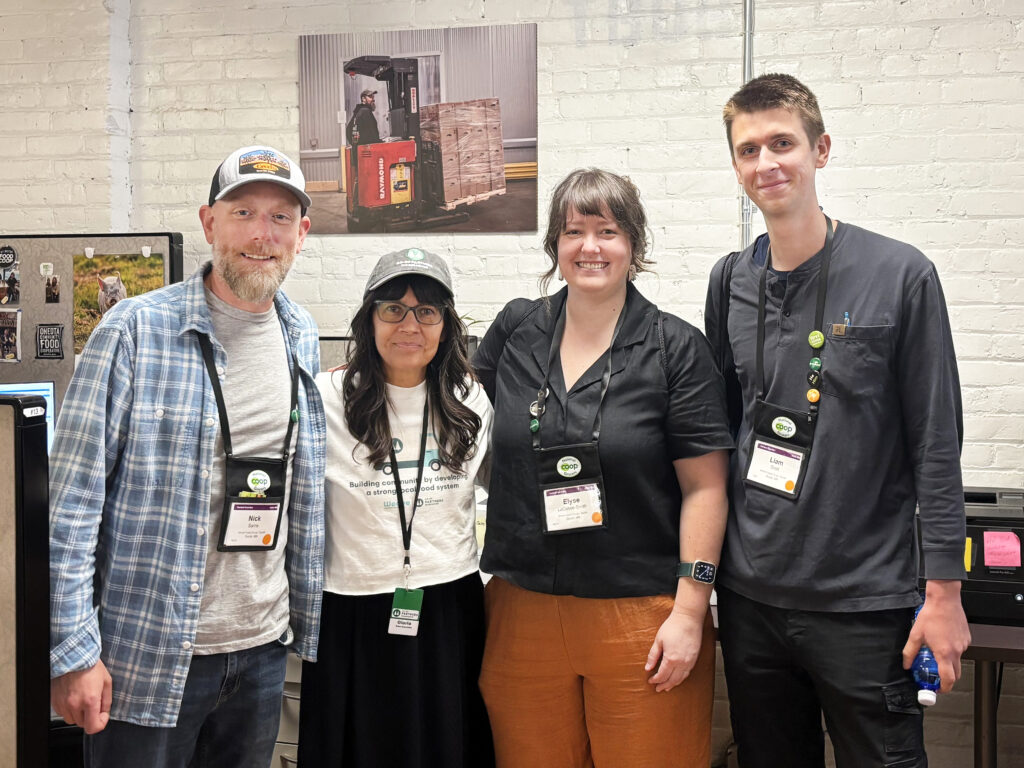
Nick, Whole Foods Co-op Denfeld Produce Manager, Gloria, CPW Sales Associate, Elyse, Hillside Produce Manager and Liam, Hillside Produce Assistant Manager.

With CPW as a partner, Whole Foods Co-op has been able to expand local offerings and provide Co-op shoppers with a larger variety of organic options. The partnership is yet another example of communities benefiting from cooperation among cooperatives.

Read Now
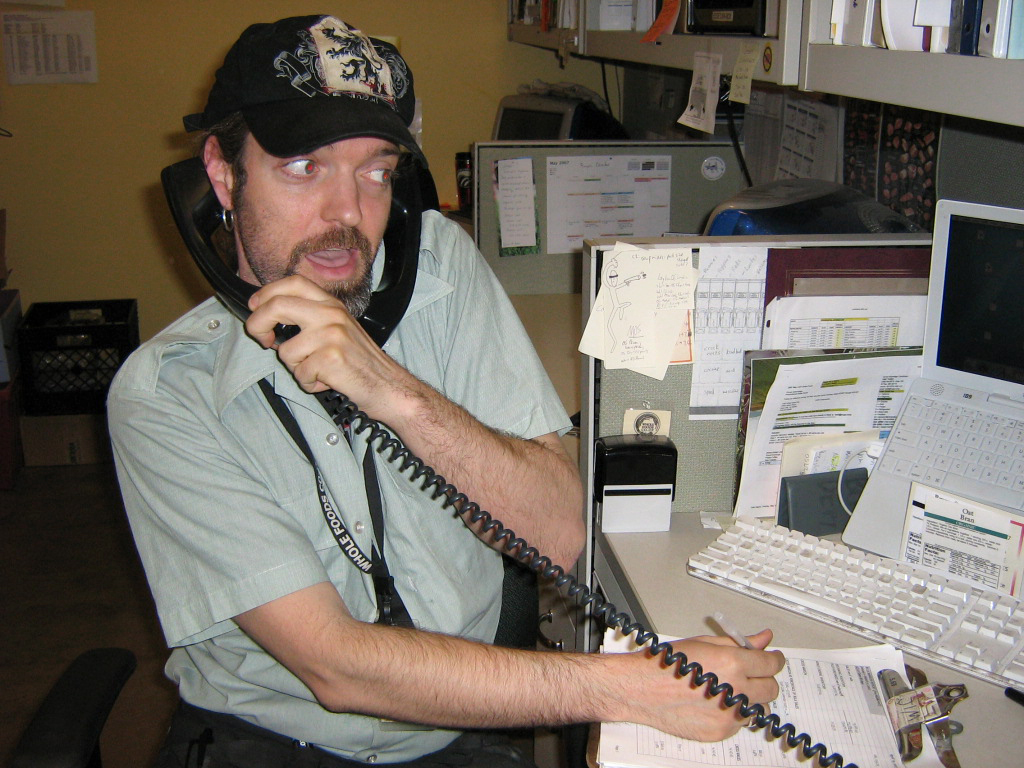
Jim sitting at a desk in an office holding a phone to his ear and writing on a pad of paper.

Staff Highlight: Jim R.

Jim sitting at a desk in an office holding a phone to his ear and writing on a pad of paper.

Jim R., Grocery Purchasing Lead, Hillside

Employee since 1998

Jim has been a buyer in the Grocery Department for 27 years, working with his fellow buyers to keep products on the shelves. “It’s a job that comes with a lot of troubleshooting and problem solving,” said Jim. Over the years, “I have enjoyed helping the Co-op grow into a force to be reckoned with,” he said.

When asked about his favorite thing about working at the Co-op, he replied, “I believe in the mission. The Co-op is the greenest business in town: we keep pesticides out of the water table by expanding organic acreage, we strengthen the regional economy by buying local (which reduces food miles/petroleum use), and we recycle and compost whatever we can. I love that we are community-owned by our friends and neighbors, as opposed to a corporation.”  

Favorite Food to Get at Whole Foods Co-op

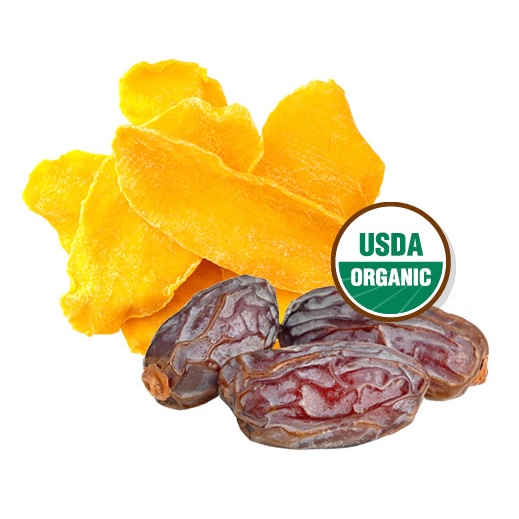
Dried mangoes and dates with USDA organic seal.

  • Bulk organic dried mango
  • Stuffing bulk organic dates with local blue cheese

Read Now

Staff Highlight: Dylan S.

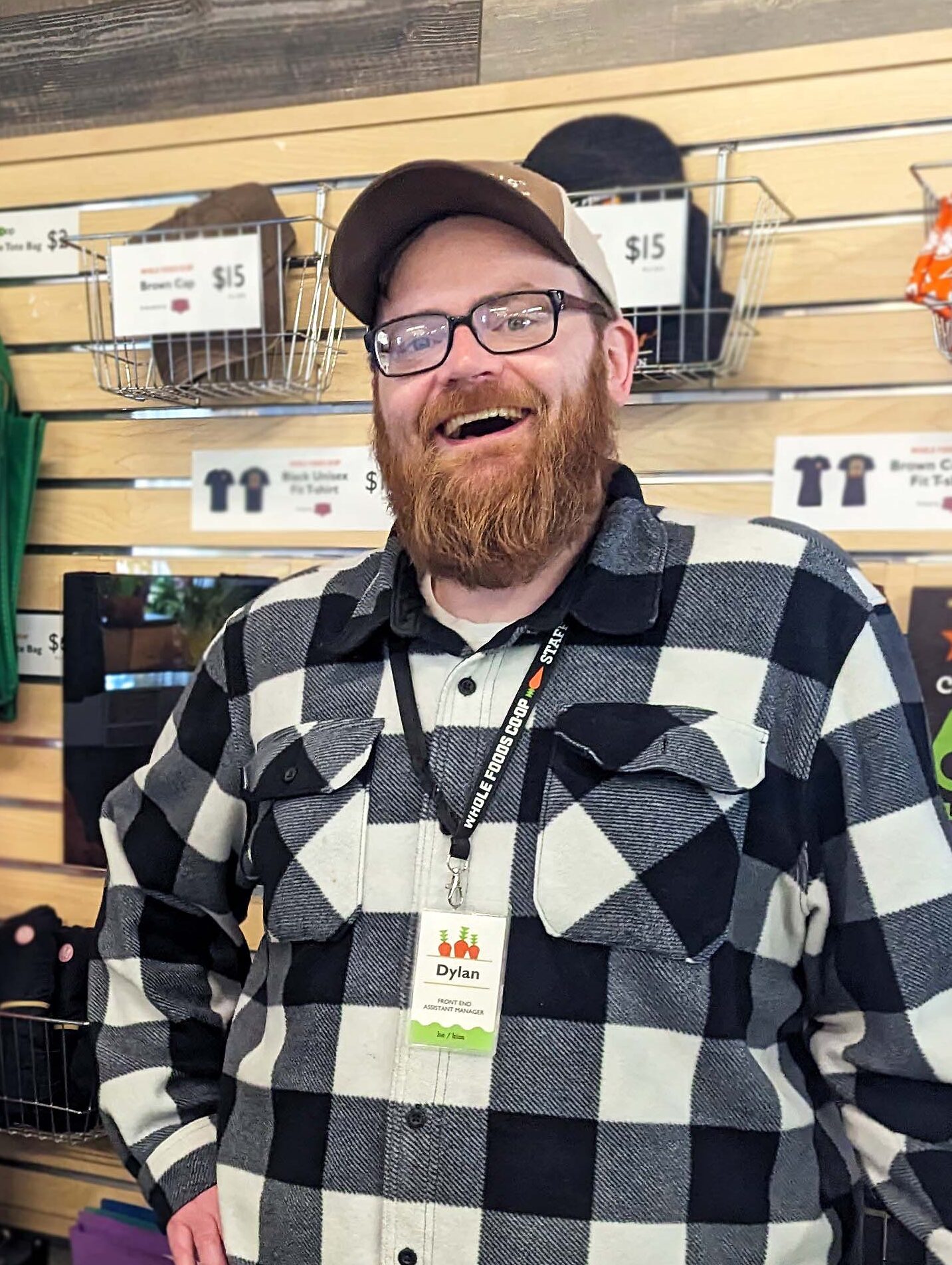
Dylan S., Front End Assistant Manager, Hillside 

Employee since 2009 

Dylan started as a part-time Front End Clerk, and over the years has been promoted to Manager on Duty, then Front End Assistant Manager. He takes pride in guiding the department towards their goal of providing the best customer service possible. And though he’s known for treating everyone like a star, he particularly relishes the memory of bagging an Academy Award winning actress’s groceries. “More than once!” he added with a smile.  

Dylan has seen the Hillside store grow and evolve since he started. “There was a bank in what is now our parking lot,” he reflected. “We also expanded our indoor seating area and installed green flooring.” And while many things have changed over the years, some foundational aspects of working at Whole Foods Co-op remain, including valuing its people. “My favorite thing about working at the Co-op is the relationships that I’ve developed with such a wide variety of co-workers.”

Favorite Food to Get at Whole Foods Co-op

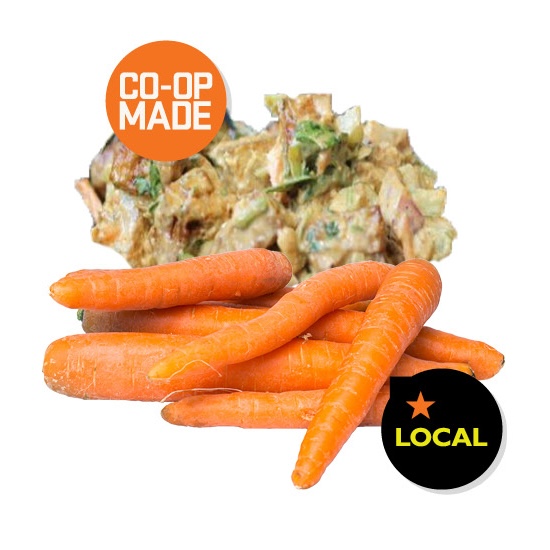
  • Deli Red Curry Tofu
  • Food Farm carrots

Read Now
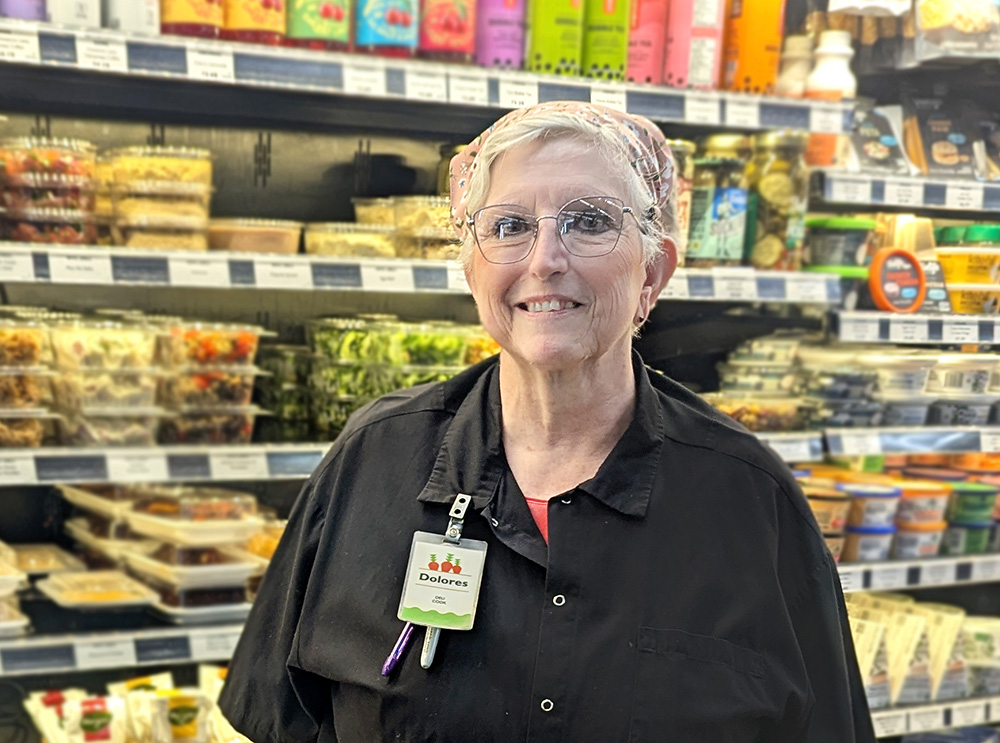
Delores poses smiling in front of the deli grab-n-go case at the Denfeld Whole Foods Co-op.

Staff Highlight: Dolores M.

Dolores M., Deli Cook/Baker, Denfeld  

Employee since 2005  

Dolores remembers working at the Co-op back when it was where Burrito Union is now. “That’s where I started training,” she said. She followed the Co-op in their move to the current Hillside store, then transferred to Denfeld when it opened because it was closer to home. 

Delores poses smiling in front of the deli grab-n-go case at the Denfeld Whole Foods Co-op.

Anybody who’s tried the Deli’s beloved Grab ‘n Go items, has likely enjoyed one of Dolores’ creations. “I do a little bit of everything,” she said, which includes the salads, sandwiches, and soups. She’ll also occasionally do bakery, in addition to keeping the Deli stocked and “looking pretty” throughout the day.   

Over the years, the biggest change Dolores has noticed has been the Co-op’s “tremendous” growth. “I’ve heard so many people say that it’s such an asset to the community, and it’s gone from this little thing when I first started here.”   

And though we can’t prove it, we think it’s in part due to Dolores’ Fog City Pasta recipe.  

Favorite Food to Get at Whole Foods Co-op

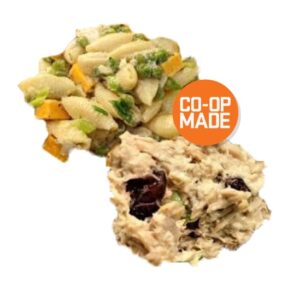
Pasta salad and cranberry tuna salad with Co-op Made logo.
  • Deli Fog City Pasta Salad
  • Deli Cranberry Tuna Salad

She developed the recipe for both!

Read Now

Staff Highlight: Nick S.

Nick S., Produce Manager, Denfeld

Employee since 2014

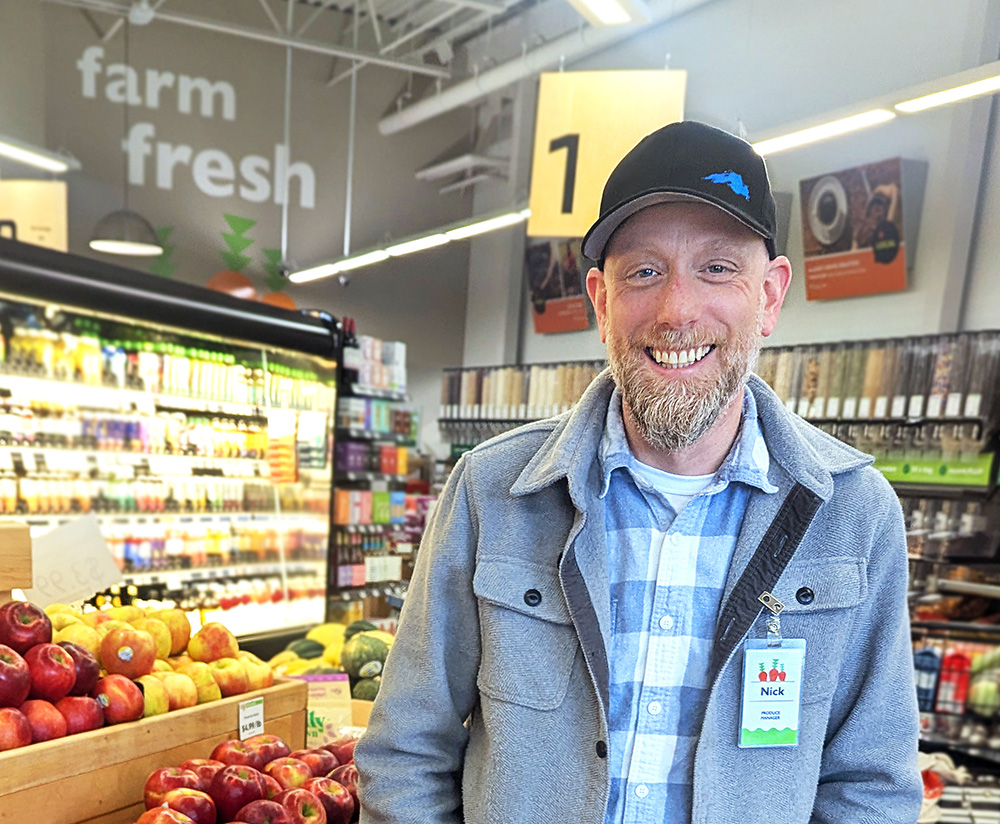
Nick started as the Produce Assistant Manager at Hillside, and when the Denfeld store opened in 2016, he was promoted to Produce Department Manager to oversee the new department. And while his roles and responsibilities have evolved, he has continued to ensure our shoppers are greeted by fresh, fragrant, local and colorful flowers and foods the moment they walk into our stores.  

Nick’s days are varied, as he manages all aspects of the produce department, including personnel, product and department financial metrics. He also works directly with farmers to support the local produce season. “Sometimes I get to stock produce, sometimes I get to buy produce,” he said of his role. But as far as what he loves about being a Produce Manager, it’s “the people I work with,” he said. “Learning from and building relationships with co-workers and local farmers and growers in our community and beyond continues to be my favorite thing about my work.”

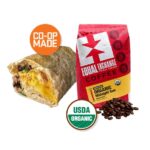
  • Deli Chicken & Lime Burrito
  • Equal Exchange Organic Midnight Sun Coffee

Read Now
A blue garbage dumpster with a Hartels Disposal label on it stands next to a sign that says "Food Scraps Drop Site" in the Denfeld Whole Foods Co-op parking lot.

Closing the Loop

Whole Foods Co-op and Resource Renew Celebrate Compost Partnership

Compost is a nutrient-rich addition to any garden. Previously known as Garden Green, Premium Compost is a special compost created from local food scraps and yard waste and  is processed right here in Duluth at Resource Renew, the brand of the Western Lake Superior Sanitary District. Premium Compost is available seasonally at both Whole Foods Co-op stores. 

Given the popularity of Premium Compost and our Owners’ love for composting, in April 2025, the Denfeld store became a Food Scrap Drop Site for Resource Renew’s composting program, making it easier than ever for Co-op shoppers to practice composting.  

“Shoppers have been asking for us to be a Food Scrap Drop Off Site,” said Erika Osterman, Store Manager of our Denfeld location. “We’re thrilled to be able to provide this service and to help make it easier for our neighbors to keep food scraps out of the landfill.” 

A blue garbage dumpster with a Hartels Disposal label on it stands next to a sign that says
Food Scraps Drop Site bin at the Denfeld Whole Foods Co-op.
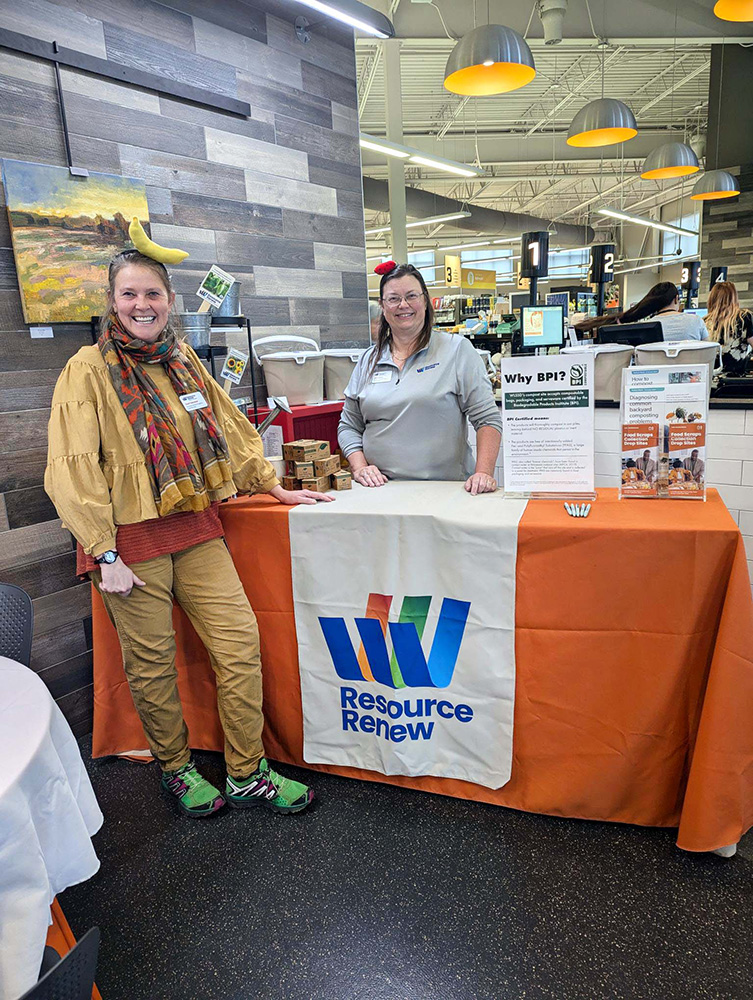
Two people at the Denfeld Whole Foods Co-op are standing next to a table with table cloth and runner with the Resource Renew logo. One is wearing a headband with a banana on top and the other has a watermelon wedge headband. There are boxes of compostable bags and information about composting on the table.
Dori Decker and Lorilee Blais, Resource Renew Environmental Program Coordinators, tabling at the Food Scraps Drop Site Launch Party at the Denfeld Whole Foods Co-op.

Whole Foods Co-op is excited to build on its partnership with Resource Renew, whose composting program keeps over 2,500 tons of organic matter out of landfills every year.  

When asked why composting is so important, Dori Decker, Environmental Program Coordinator at Resource Renew shared, “Twenty percent of the trash in our district that is going to the landfill is food waste. Diverting food scraps from the landfill can preserve the longevity of our region’s landfill, which is projected to close in 2026, reduce greenhouse gas emissions, and reduce household trash volume (which can mean savings for the household!).”  

The Food Scraps Drop Site bin is open 24/7 for people to deposit their food scraps. At-home food scraps buckets and BPI-certified compostable bags are available for free through Resource Renew, and additional bags are available for sale at both Co-op stores. Resource Renew encourages the use of BPI-certified bags to keep the drop sites clean and reduce critters and bugs.  

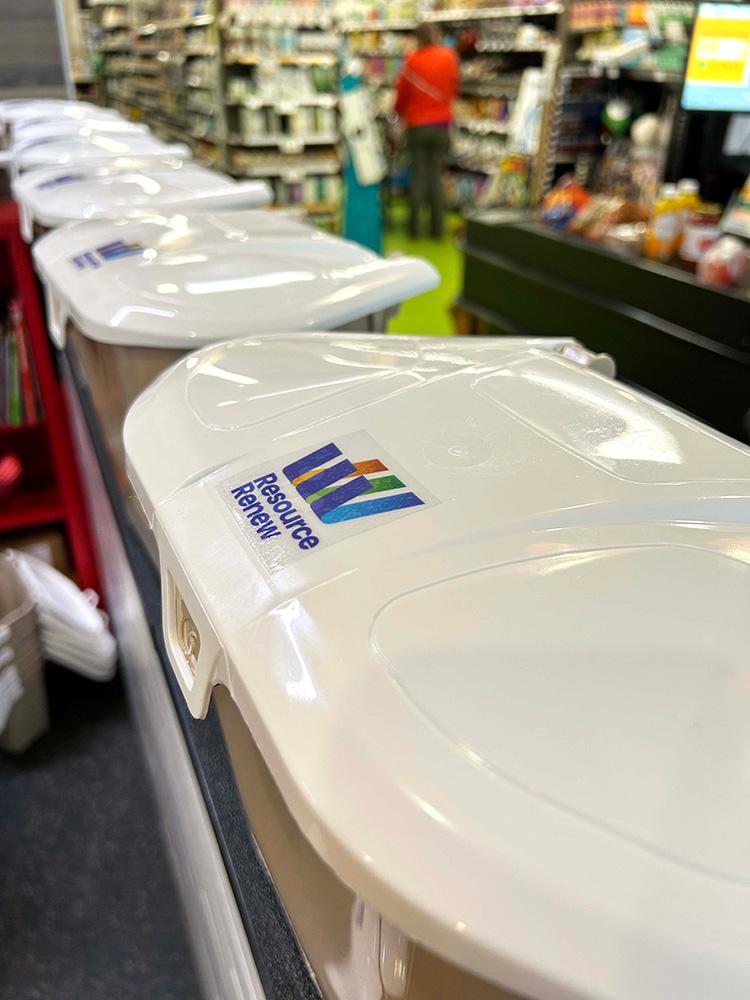
Plastic buckets with lids and the Resource Renew logo.

This partnership between Whole Foods Co-op and Resource Renew closes the loop, turning food scraps into valuable compost while supporting the environment. Owners, shoppers, and community members are invited to use the Food Scrap Drop Off Site in their composting routine and are encouraged to complete the loop by looking for Resource Renew Premium Compost at Whole Foods Co-op every spring to nurture their gardens.

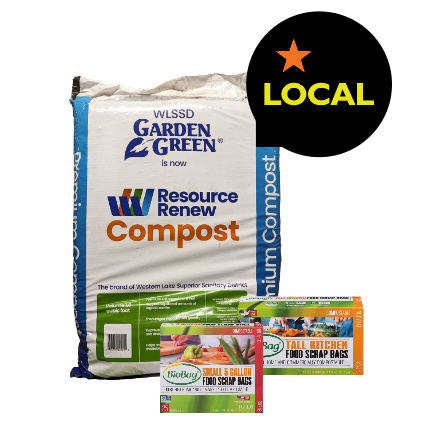
A large bag of Resource Renew Compost with two boxes of BioBag compostable food scraps bags, sizes small and tall.


Resource Renew Premium Compost and BioBag BPI Certified Food Scrap Bags are available seasonally at both Whole Foods Co-op stores! 

The Composting Process

Just how does a banana peel and coffee grounds become compost, a nutrient-rich soil? They follow a 9-month journey at Resource Renew’s facility. 

Steps: 

  1. Material Collection: Residents and businesses drop off organic materials at designated sites, including the Whole Foods Co-op Denfeld store. Drop site accepted materials include food scraps and BPI-certified compostable products, which are free of plastic, metals, and other non-compostable items. Please note that yard waste is to only be dropped off at the Yard Waste Compost Site. 
  2. Sorting: Collected materials are transported to the composting facility, where they are meticulously sorted to remove contaminants. 
  3. Grinding: Larger organic materials are ground into smaller pieces to accelerate decomposition. 
  4. Mixing and Aeration: Ground materials are combined with the daily delivery of food scraps to create a uniform mix of carbon-rich and nitrogen-rich materials. Aeration promotes microbial activity, essential for effective decomposition. 
  5.  Active Composting: Compost is placed in large, aerated windrows, or piles, for several weeks, with staff monitoring temperature, moisture, and oxygen levels. High temperatures help eliminate pathogens and weed seeds. Compost can reach temperatures exceeding 150 degrees. 
  6. Turning and Monitoring: The compost pile is periodically turned to maintain optimal conditions for microbial activity. 
  7. Curing: After active composting, the material cures for several months, allowing it to mature and stabilize its nutrients. 
  8.  Screening and Packaging: Mature compost is screened to remove oversized particles and contaminants, then packaged for distribution. 
  9.  Community Distribution: Premium Compost is available for purchase throughout the area, including at both Whole Foods Co-op stores.  

Compost information provided by Resource Renew. 

Read Now
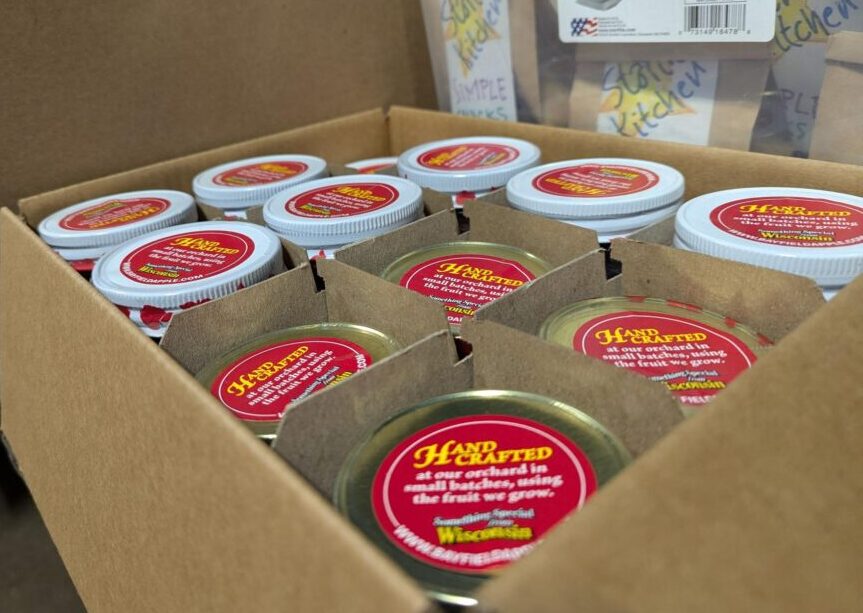
A box full of jars of Wisconsin apple butter with the words "Hand Crafted" on the lid labels.

Bayfield Regional Food Producers Cooperative

Stronger Together

“Today is pack-up day,” said Laura Ashenbrener, Bayfield Regional Food Producers Cooperative’s General Manager. Once a week, producers from across the Chequamegon Bay region bring their goods to the co-op’s aggregation center in Ashland, WI.  

On a cool but sunny spring morning, the warehouse’s two conveyor belts were bursting with products. Throughout the year, freshly picked fruits, vegetables, meat, baked goods, honey, flowers, and other products will pass through the same area to be sorted, packed, and sent to drop sites. “Our delivery driver goes up to Duluth and Superior twice a week,” said Ashenbrener, looking over the product being prepped for the voyage. 

Also known as Bayfield Foods, the producer-owned cooperative unites 21 member farms and food producers across the region. Whole Foods Co-op shoppers may recognize some of their member-owners, including Café Coco, Drifty Acres, and Observation Hill Farm. Between the owners, Bayfield Foods provides over 400 different products through their year-round Community Supported Agriculture program (CSAs). 

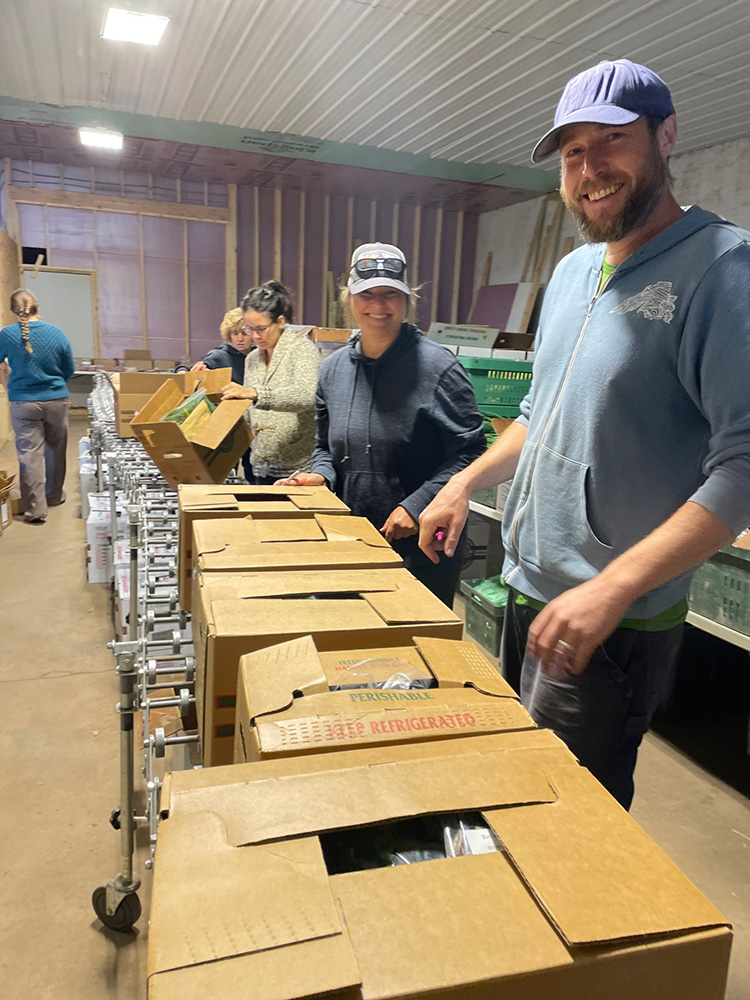
A photo of members of the Bayfield Regional Food Producers Cooperative smiling while packing boxes of produce on a conveyor.
Farmers Abigail Klema of Suri Fina Farm and Rob Hartman of Twisted Twig Farm pack CSA boxes at Bayfield Regional Food Producers Cooperative. Photo courtesy Bayfield Foods.

By working as a co-op, members become stronger together. Farmers pool resources, gain access to storage facilities and equipment, and collectively market their products. They are also able to tap into a large distribution network. The CSA program alone will distribute over 300 weekly shares over the summer. For the individual farmer, this means that, with a single delivery to the aggregation center, they can reach more than 300 customers from Bayfield to Cloquet!  

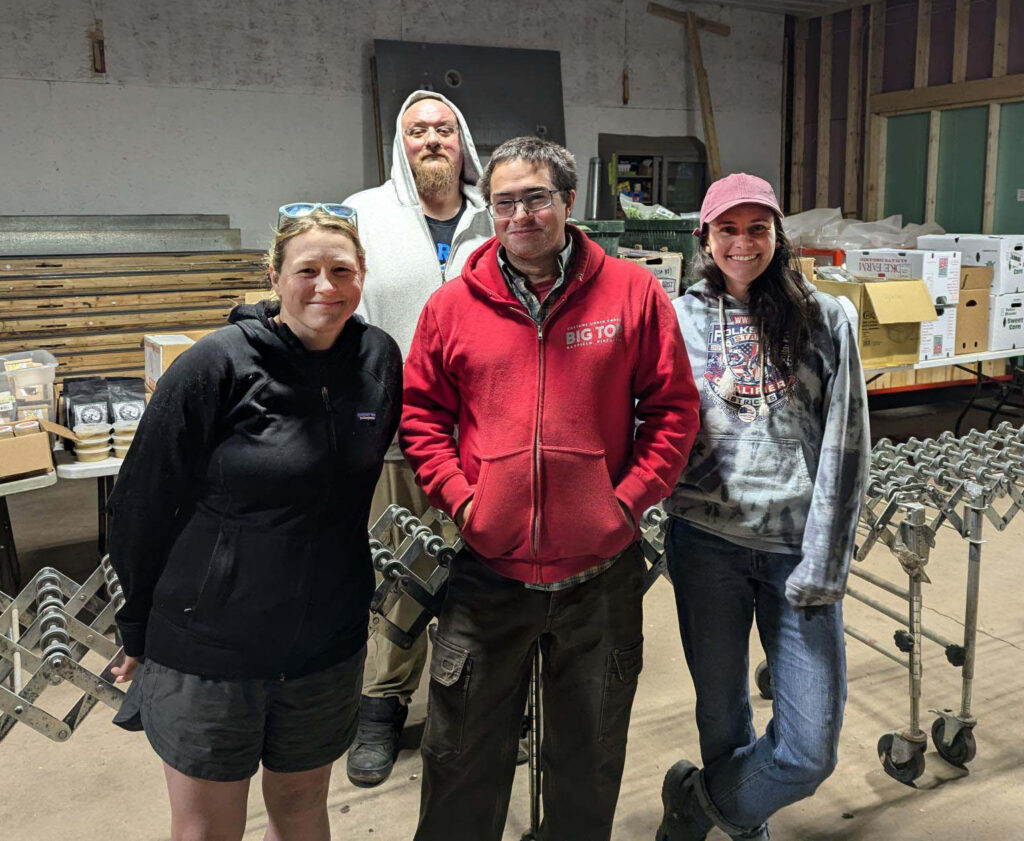
Four people pose in front on a conveyor of boxes inside a warehouse.
From left to right: Karra Prudhomme, Bayfield Foods CSA Manager; Mike Gordon; Brian Clements of Northcroft Farm; and Laura Ashenbrener, Bayfield Foods General Manager.

“There was a group of farmers looking for ways to move their products locally, more efficiently, and out of the area,” explained Brian Clements of Northcroft Farm, one of the owners and current board chairman.“It doesn’t make much sense for multiple farmers to drive to Duluth separately, so they started the two programs.” 

In addition to the CSA program, Bayfield Foods operates as a wholesaler, providing efficiency for both farmers and buyers. The entire catalog of products is accessible through a single point of contact, streamlining what would typically involve multiple orders from various farms.

Bayfield Foods also supplies schools and local restaurants. “In the Duluth/Superior area, the Superior School District buys a lot of apples and fruits when in season,” Ashenbrener said. As for restaurants, “One of our biggest customers is St. James Social in Bayfield. They really prioritize local and seasonal foods.” 

With an eye towards continuing to support its member-owners into the future, the cooperative recently received a Whole Foods Co-op 2025 Grow Local Food Fund grant to enhance its infrastructure through purchasing a new 15′ x 15′ walk-in freezer. With anticipated installation in the fall, the freezer will increase space, reliability, and efficiency. “We can offer appropriate storage for the meat producers,” Ashenbrener said of the investment. “If they need storage, they can rent freezer space [from the aggregation center]. It’s an affordable option for local farms.” 

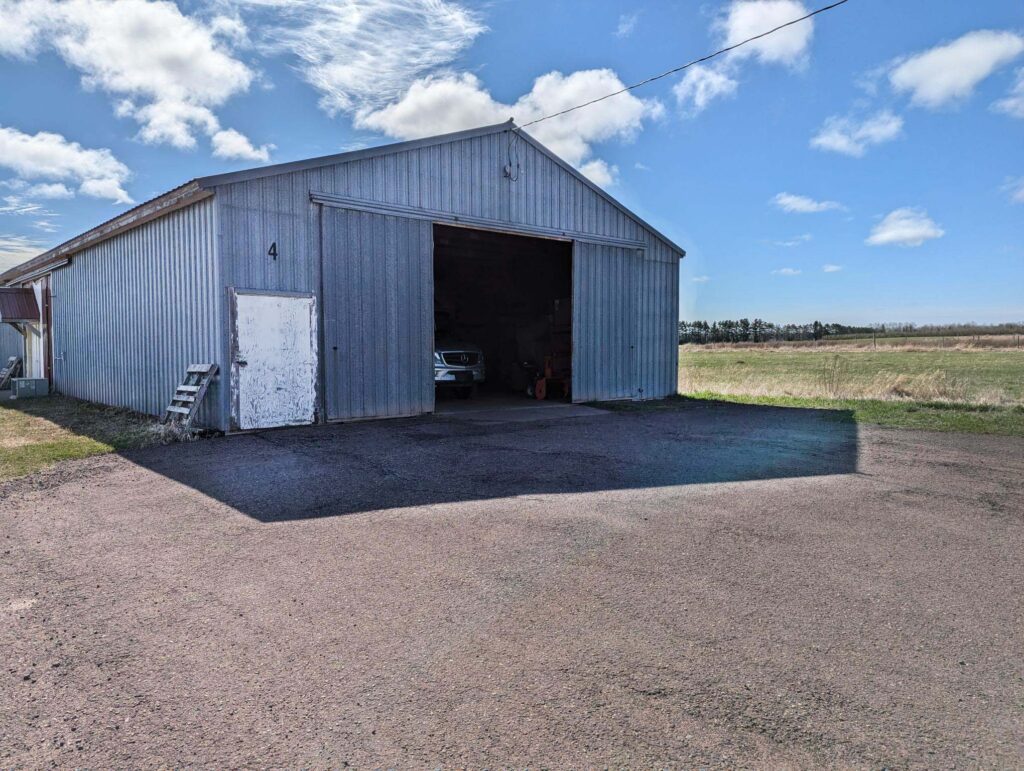
A large warehouse building with a vehicle parked inside. The front bumper, grill, and headlights are visible through the open sliding door.
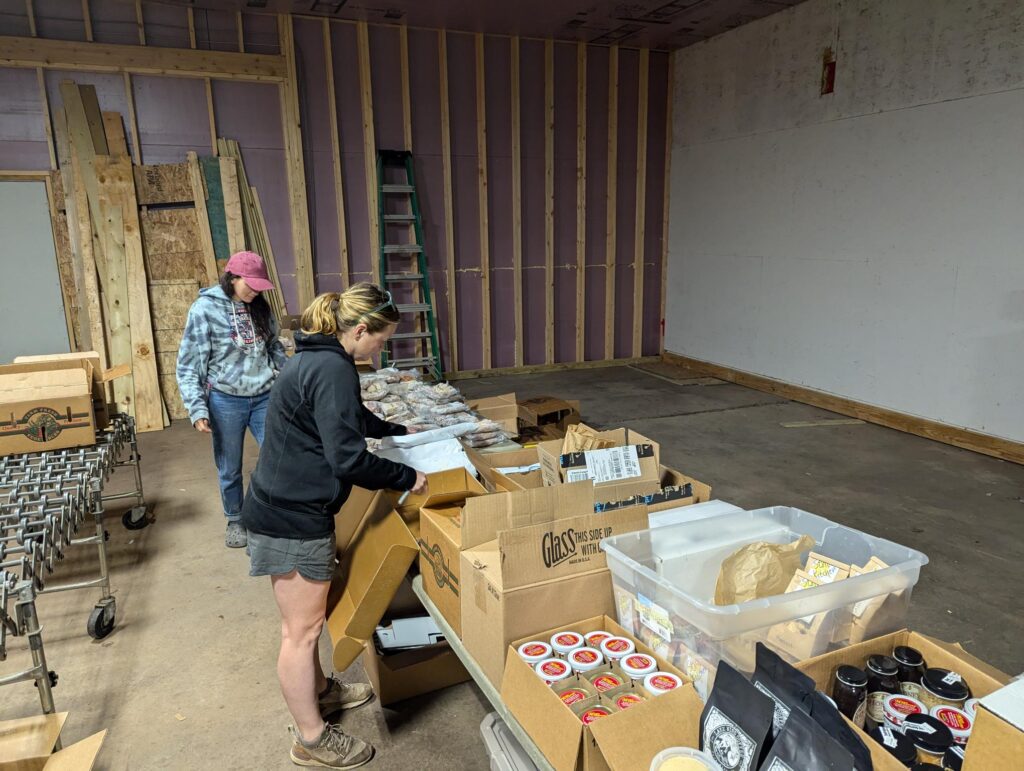
Two people packing boxes on a conveyor in a warehouse.
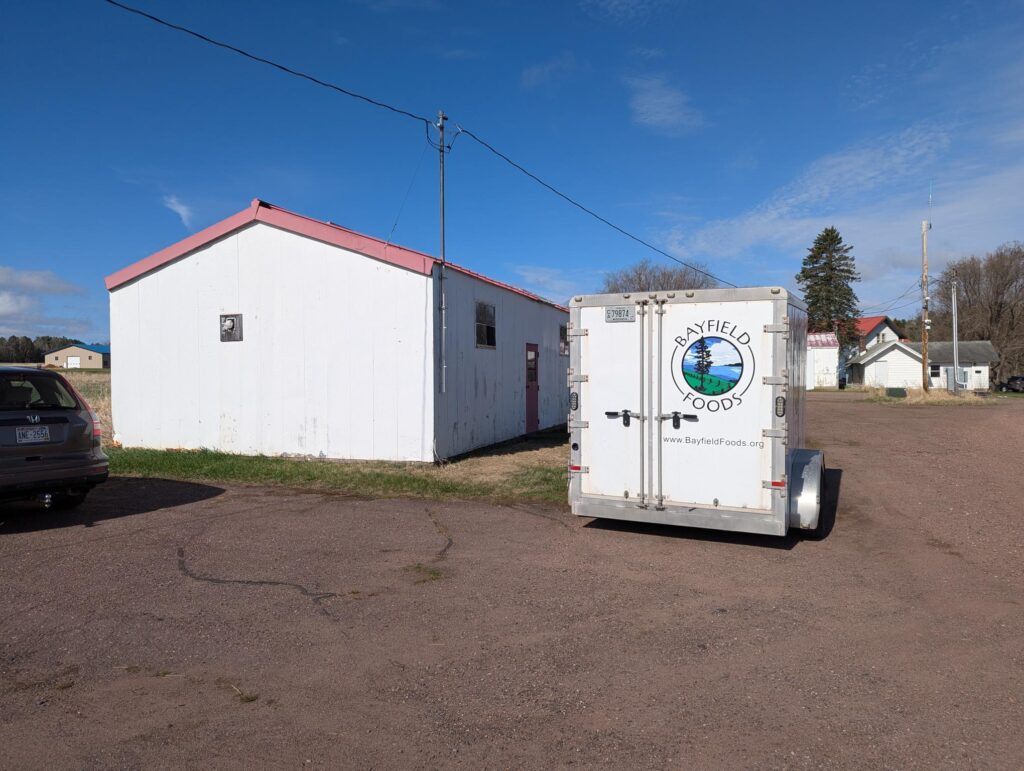
A trailer with the Bayfield Foods logo next to a white building.

This year marks 15 years of the Bayfield Regional Food Producers Cooperative, and they continue to adapt and grow. But, when asked what she loves about her work, Ashenbrener is drawn the community, “I know a lot of the farmers, and I like working for them. I like working with local foods; it’s a big community passion in this area. Local places are really important.”  

Bayfield Foods offers multiple drop sites including Duluth, Cloquet, and Superior, as well as home delivery for an additional fee. Visit bayfieldfoods.org for more information on Bayfield Foods, including how to sign up for their CSA. You can follow them at https://www.facebook.com/BayfieldFoodsCooperative/ and https://www.instagram.com/bayfieldfoods/.

Grow Local Food Fund Follow-up Update!

January 6, 2026

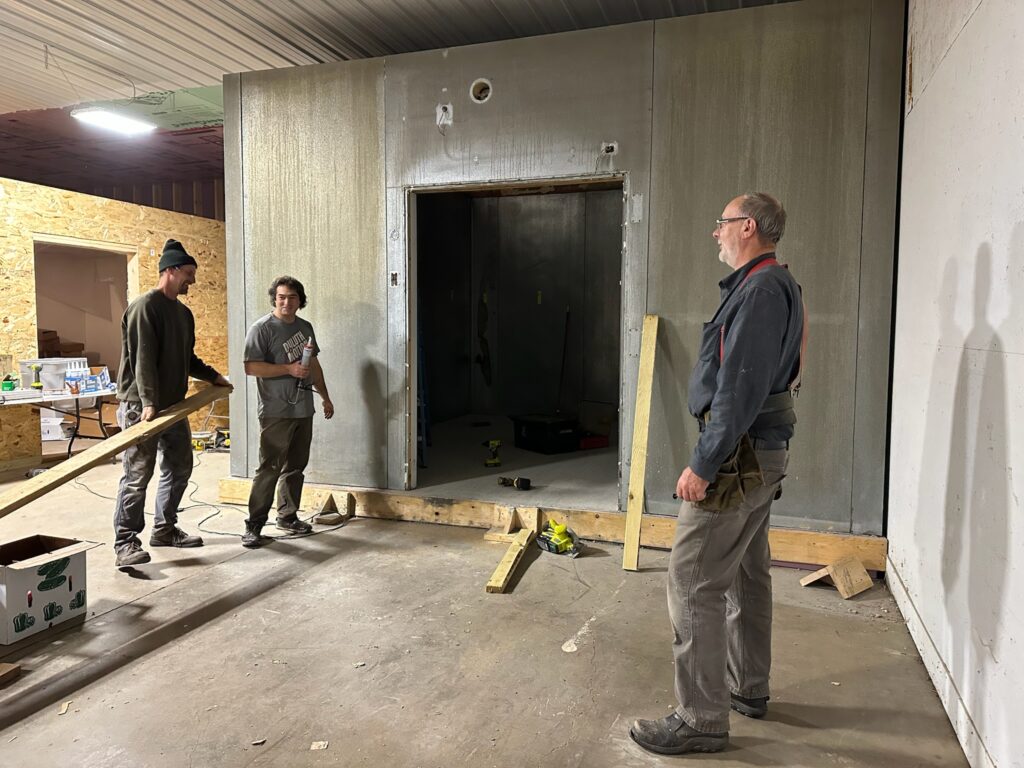
From left to right, Board Members: Travis Pydo, Heritage Acres; Brian Clements, Northcroft Farm and Board President; and Dave Kositzke, Bayfield Apple Company. 

Work is underway to prepare the space for the new 15′ x 15′ walk-in freezer! The slab has been poured, the walls are up, and they will be putting the ceiling panels on next week. A contracter is then going to come in to install the equipment.

International Year of Cooperatives 2025 logo with tagline "Cooperatives Build a Better World."

The United Nations has designated 2025 as the International Year of Cooperatives. In recognition, Whole Food Co-op will be celebrating throughout the year! We’ll be highlighting cooperatives we’re in cooperation with in-store and here in the Co-op Blog. We’re excited to share the stories of co-ops that are creating quality products while having a positive impact on communities across the globe.

Read Now