Simple Gifts Syrup and Salmon

Dave Rogotzke & Family

We’ve all heard the old saying, “Give a man a fish and you feed him for a day. Teach a man to fish and you feed him for a lifetime.” In the case of Dave Rogotzke, Owner/Producer of Simple Gifts Syrup and Salmon, teaching a man to fish turned not only into feeding himself, but providing enough fish for entire communities!

Dave, along with his brother, began fishing for salmon in Alaska while still in college. They spent two summers learning the trade and, after obtaining a loan from their dad, who mortgaged the family farm after assurances that his sons could indeed make a go of this, bought their first fishing permit and boat. Thirty-six years later, there are now four Rogotzke family boats fishing annually for Sockeye, King (aka Chinook) and Chum Salmon in the Bristol Bay area of Alaska. It is very much a family affair, with each of Dave’s three kids participating, particularly his oldest daughter Katie, who still goes out for two weeks each summer despite having moved from Minnesota to Montana.

In order to ensure sustainability, fishing of wild salmon is heavily regulated and vigorously monitored. The fishing season in Bristol Bay is from mid-June to mid-July. Before fishing is allowed, state biologists make sure that enough fish have traveled upstream to spawn. When they ascertain the quota has been met, fishing is open for a certain period of time. The biologists will also determine which rivers the salmon are heading to, which helps the fisherman know how long they can fish for – in the beginning of the season it might only be for a few hours, but at its height fishing is twenty four hours a day.

Another method to protect the sustainability of the salmon is limiting the number of boats allowed. Annually only fourteen hundred fishing permits are available for boats in Bristol Bay. This also helps to ensure Alaska salmon stocks remain unthreatened or endangered and everything is strictly enforced. In fact, 2018 was the biggest year on record (since 1884) for salmon with over thirty three million salmon recorded in the Nushagak Bay alone!

Wild Alaska salmon are quite different from farm-raised salmon. Consider the many miles wild salmon swim throughout their lifetime – after hatching the fry (baby salmon) can be in the river for up to two years, then go out to sea to mature for up to another two years, and then back to the river where they hatched. This can add up to thousands of miles swum in their lifetime. When compared to farm-raised salmon, unable to leave their (sometimes) densely populated aquaculture net pen, this difference is very noticeable. Wild salmon are lower in calories, lower in overall saturated fat, higher in iron and other essential minerals and the taste is incomparable! Not to mention, wild Alaska salmon are delicious to eat because they come from the cleanest waters on the earth!

But one cannot fish all year long. Not wanting to rest on his laurels in the off-season, Dave started making maple syrup from sap produced by the roughly five thousand mature maple trees located on his property just outside of Duluth. Dave began making this precious commodity eighteen years ago, learning from his mentor Don Mount (who, prior to retirement, provided local maple syrup to the Co-op for years!). Starting with four hundred bags, Dave quickly realized he needed to find a better method. Cue the Canadian Minister of Maple Syrup (yes that is a real thing in Canada). Dave reached out to the Department of the Minister of Maple Syrup and was invited to come visit a number of their farms and production facilities. It was during this tour when he met Vernon Wheeler who taught Dave his method of running tubing from tree to tree to collect the sap and funnel it to the maple house where it is evaporated using reverse osmosis (drastically lessening the amount of time it takes to reduce the sap into syrup). Vernon’s son Mark then came from Canada to help Dave set up his tubing, along with a few well-placed pumps, and get everything up and running.

With an eye toward sustainability and keeping up to date on the newest methods, Dave returns to Quebec every few years to continue his education. One of the new methods he recently learned is using a smaller tap hole in the tree for the sap to run from – while that means a smaller yield from each tree, it is ultimately healthier for the tree because the hole will heal much faster, ensuring the tree’s viability for years to come.

Dave and his family’s commitment to protecting and nurturing both aspects of Simple Gifts Syrup and Salmon is obvious and infectious and they continue to provide sustainably sourced products of the highest quality. What began with the black dirt of his family’s farm in southwestern Minnesota, continues in the waters of Alaska and the maples of northern Minnesota. Simple Gifts indeed!

This article was originally published in the Winter 2019 Garbanzo Gazette.

Read Now
A seamless pattern of various abstract food and kitchen-related icons in brown color on a black background. The icons include fruits, vegetables, kitchen utensils, and other related items, all arranged in a playful and repetitive manner.

Union Ratifies Contract: An Open Letter to Owners from Our General Manager 

Hello Co-op Owners, 

Earlier this week, Whole Foods Co-op’s bargaining unit employees voted to ratify a new three-year collective bargaining agreement. In this season of gratitude, I am especially thankful for this result as well as the patience and perseverance of everyone involved in the collective bargaining process. 

The ratification vote follows many months of hard work by the staff elected to represent the bargaining unit in negotiations, UFCW Local 1189, and Co-op management. Most recently, the UFCW and the Co-op’s Negotiating Committees were joined at the bargaining table by the UFCW Local 1189 President, me, and a mediator from the Federal Mediation and Conciliation Service. Together, we reached an agreement that balances the priorities and needs of the staff, the Co-op, and the Co-op’s Owners. 

In addition to the backpay that was agreed upon at the start of the collective bargaining process, the newly ratified contract includes updates to employee wages and benefits as follows:  

  • The starting hourly wage at the Co-op increased for all bargaining unit positions. Effective 4/21/26 the wages ranged from $16.00 to $23.25, increasing to our current starting wages, effective 10/21/26, ranging from $16.22 to $23.47, depending on the role.  
  • The pay scale increases hourly pay rates every six months through the duration of the contract, in addition to an employee’s hire-date anniversary; resulting in three hourly pay increases per year for most employees. 
  • Overscale pay for employees whose tenure exceeds the pay scale was increased. 
  • The employee discount has been expanded to include a 20% discount on fresh produce and “Co-op Essentials” items, while maintaining the existing 15% discount on all other eligible Co-op purchases. 
  • Indigenous Peoples’ Day is now recognized as one of ten paid holidays.  
  • A bonus structure was created for bargaining unit employees that is based on sales growth per quarter. 

The culmination of this round of contract negotiations reflects the respectful and collaborative partnership the Co-op has developed with UFCW 1189 since our employees voted to unionize in 2017.   

Employees are foundational to our cooperative. I continue to hold conviction that being a union shop makes our Co-op a stronger business and a better employer.  

Thank you for your continued commitment to the Co-op, our employees, and our community. We look forward to seeing you at the Co-op this holiday season.    

With warmth and gratitude, 

Sarah Hannigan 
General Manager 

Read Now
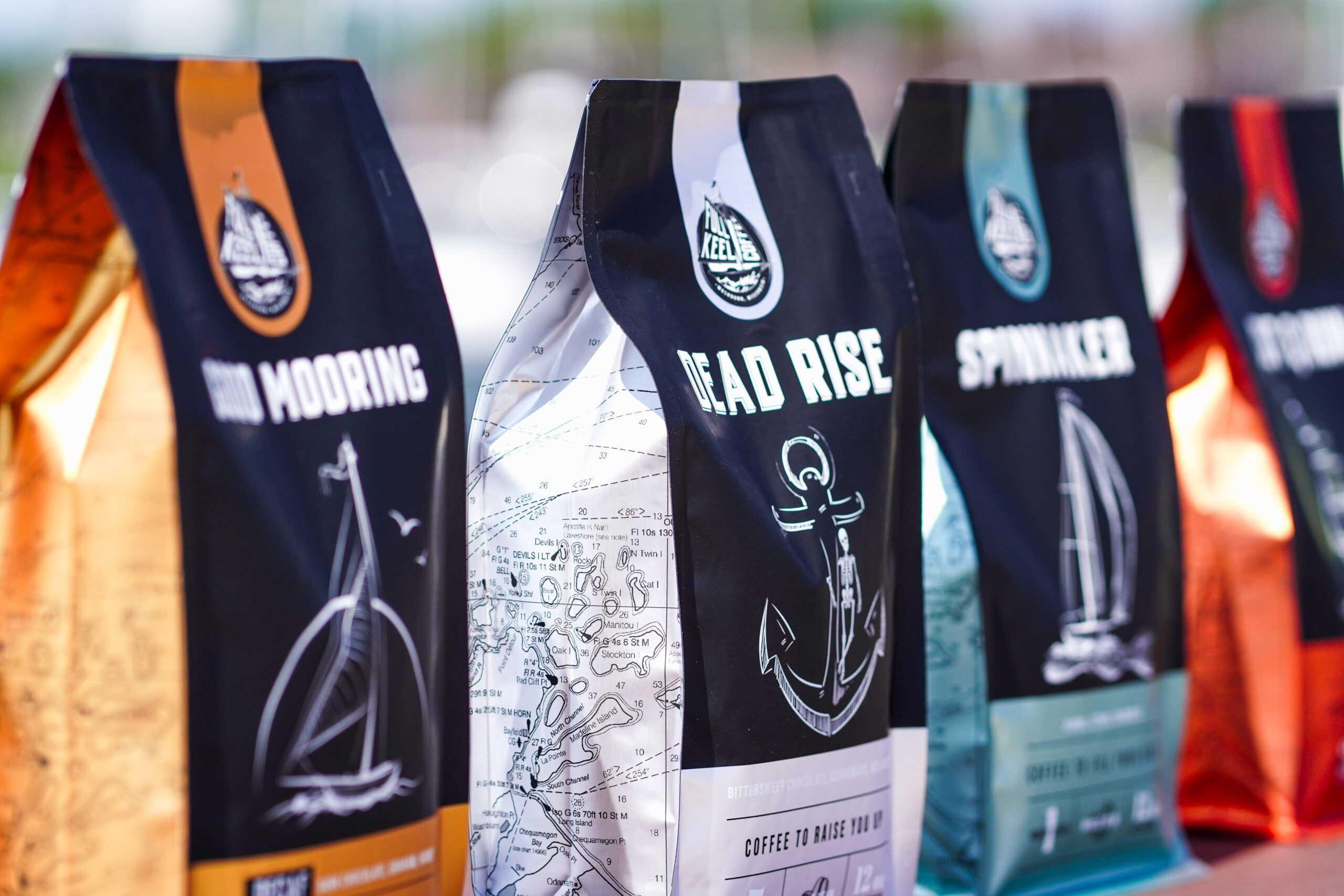
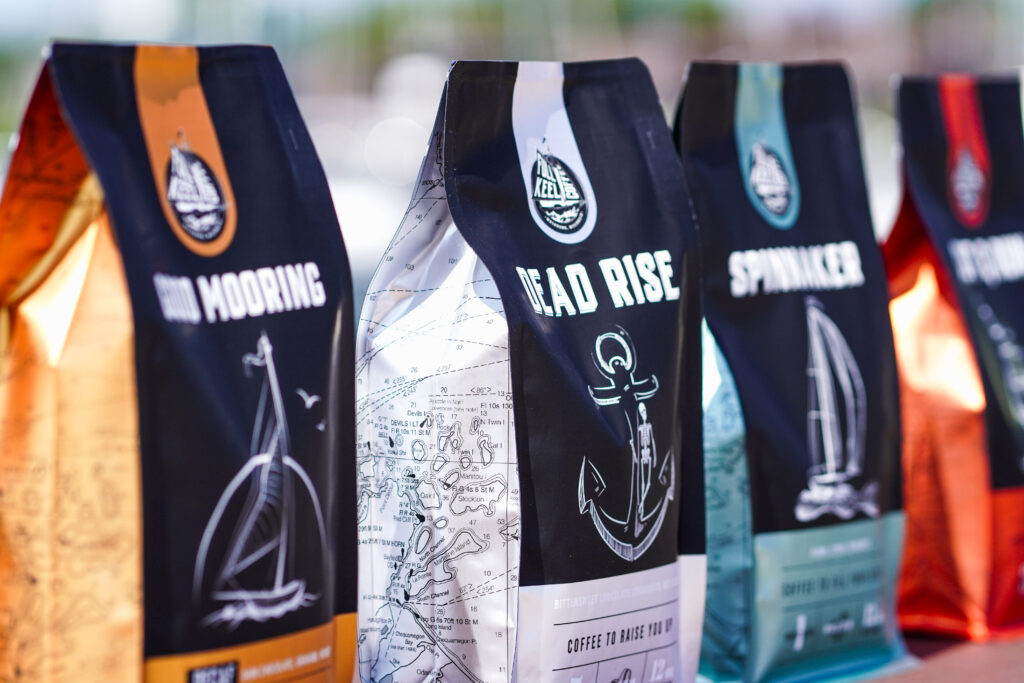
four bags of Full Keel packaged coffee in a line

Full Keel Coffee: Charting a Course for Great Coffee 

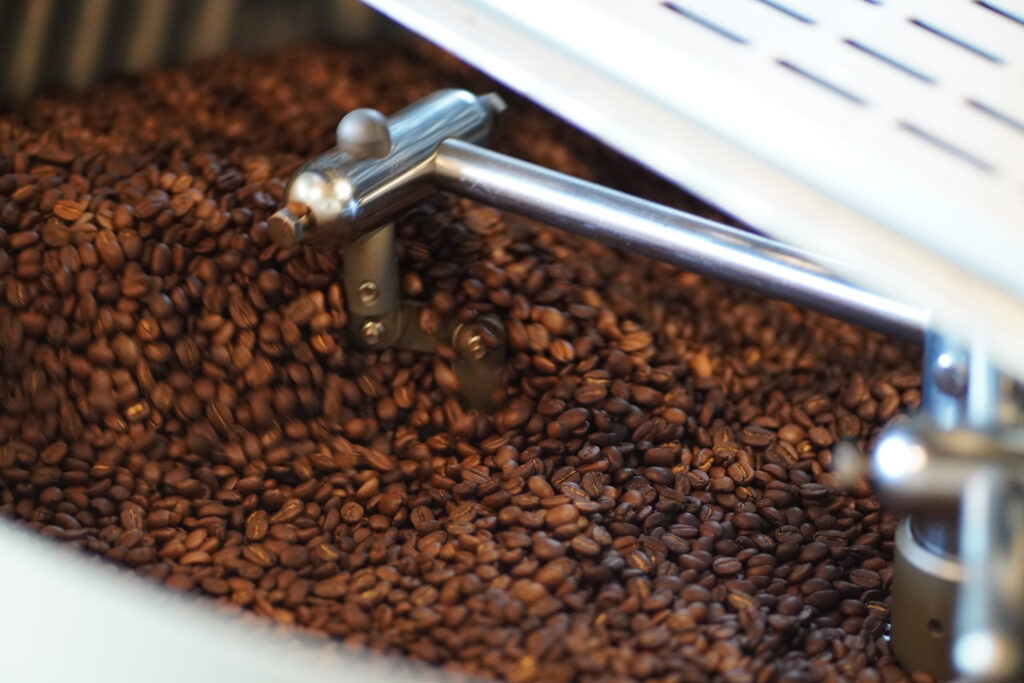
Full Keel Coffee is a relatively new coffee roaster out of Washburn, Wisconsin that has been starting to make waves. 

For Jared Trimbo, founder and roaster of Full Keel Coffee, the journey into coffee roasting wasn’t exactly planned. Nearly 14 years ago, while working as a yacht mechanic, Jared was unexpectedly offered a position as a coffee roaster. At the time, most of what he knew about coffee was that he enjoyed drinking a good cup of it, but in his new role his eyes were opened to an entirely new industry. 

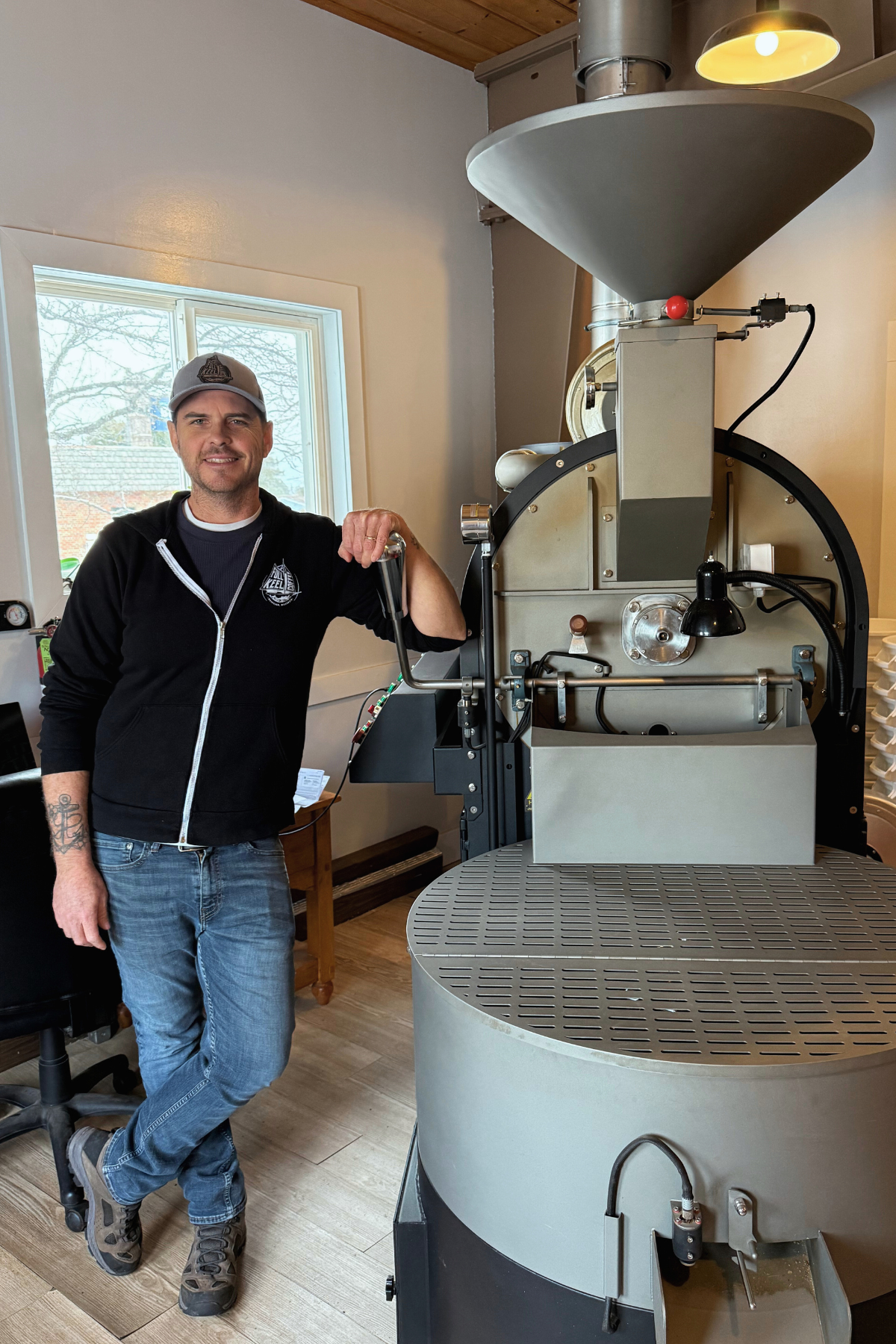
Jared Trimbo, Founder and Roaster of Full Keel Coffee

“Everybody thinks coffee is just coffee,” Jared said. “But it’s really an endless world once you get into it.” 

When Big Water Coffee – the original roastery where he learned roasting – closed in 2017, Jared wasn’t quite ready to leave roasting behind. He invested in a small home roaster and continued experimenting, learning, and sharing his coffee with friends and family. For the next four years, roasting remained a passion project. But as he watched his wife successfully launch her own business, the dream of starting his own roastery started to take hold. 

In 2022, Jared launched Full Keel Coffee. He invested in a commercial coffee roaster, and installed it in the back area of the AdventureUs building in downtown Washburn, where his wife Amy operates her business. The name Full Keel reflects the spirit of the place they call home. The company’s name was inspired by Jared’s other passion and previous position as a yacht mechanic: sailing. A full-keel boat is designed for long voyages and steady travel across open water. Drawing from this, as well as the romance, spirit, shores, and waters of Lake Superior, Full Keel Coffee carries a little piece of this place wherever its coffee travels.  

“It makes me think about traveling to distant horizons and searching for the next good adventure,” he said. 

“Everybody thinks coffee is just coffee, but it’s really an endless world once you get into it.” 

Jared Trimbo, Full Keel Coffee Founder

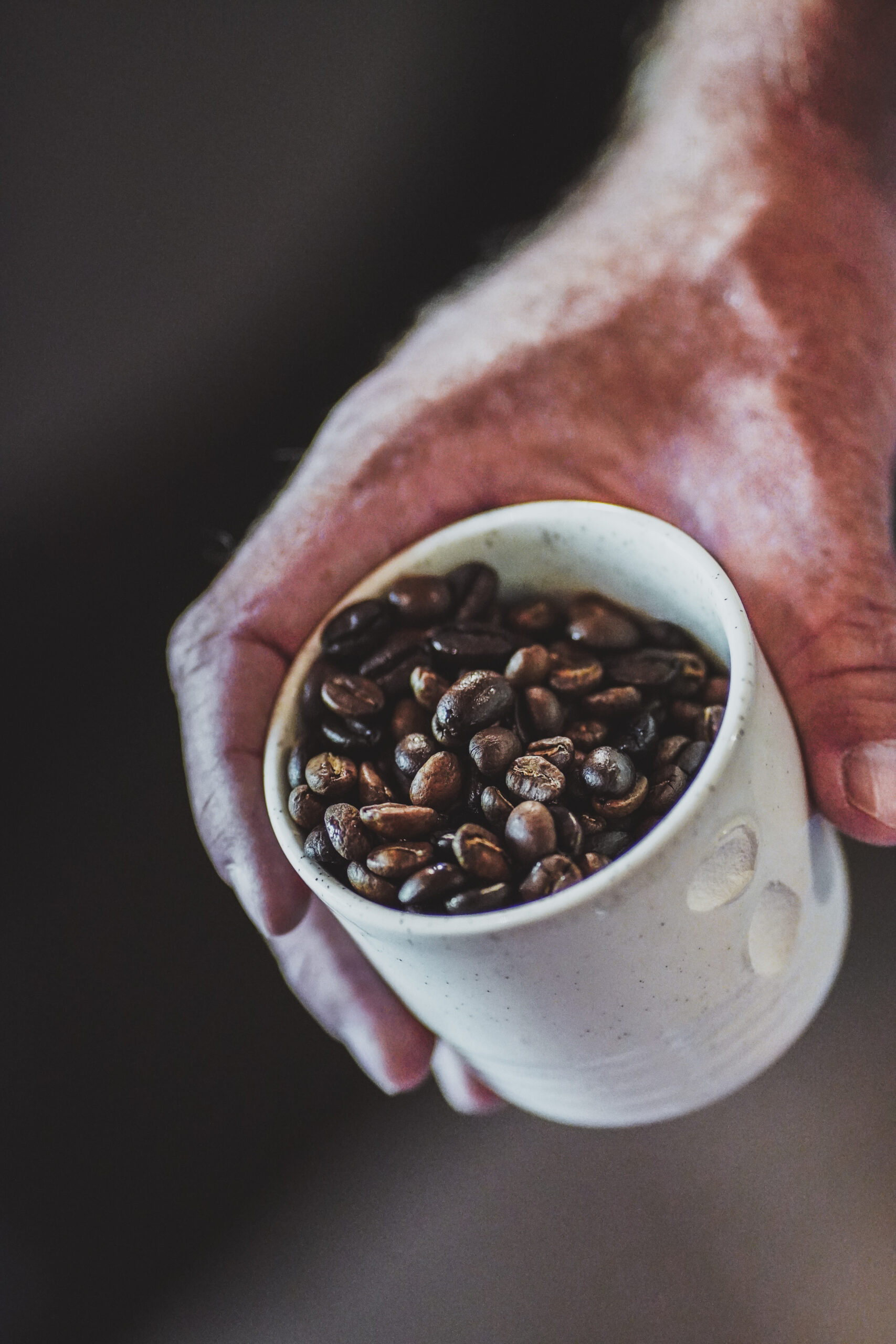
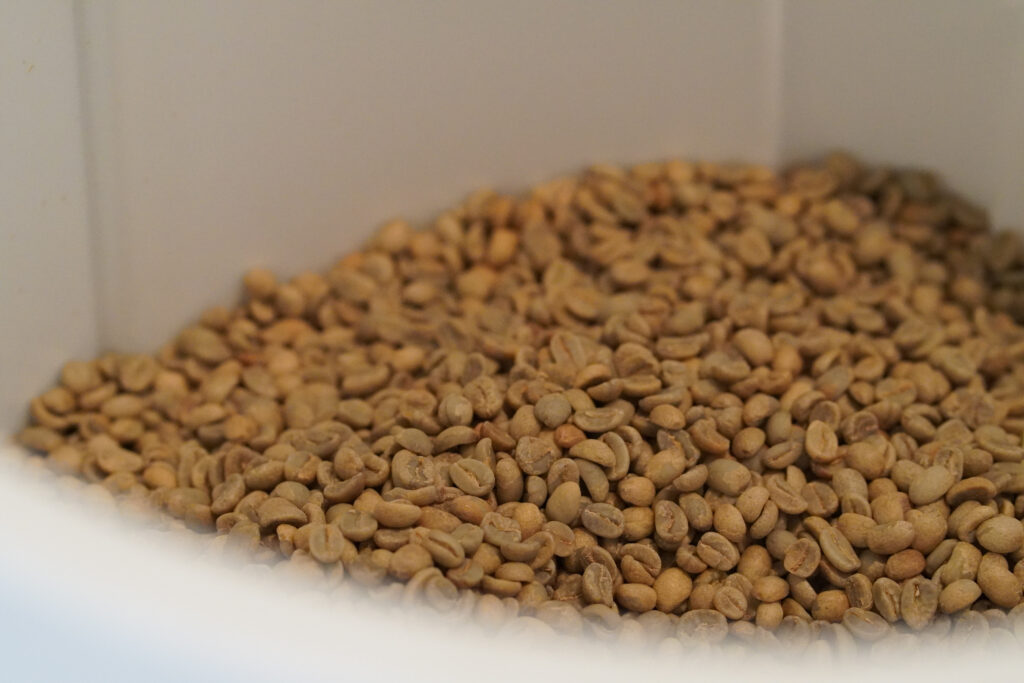
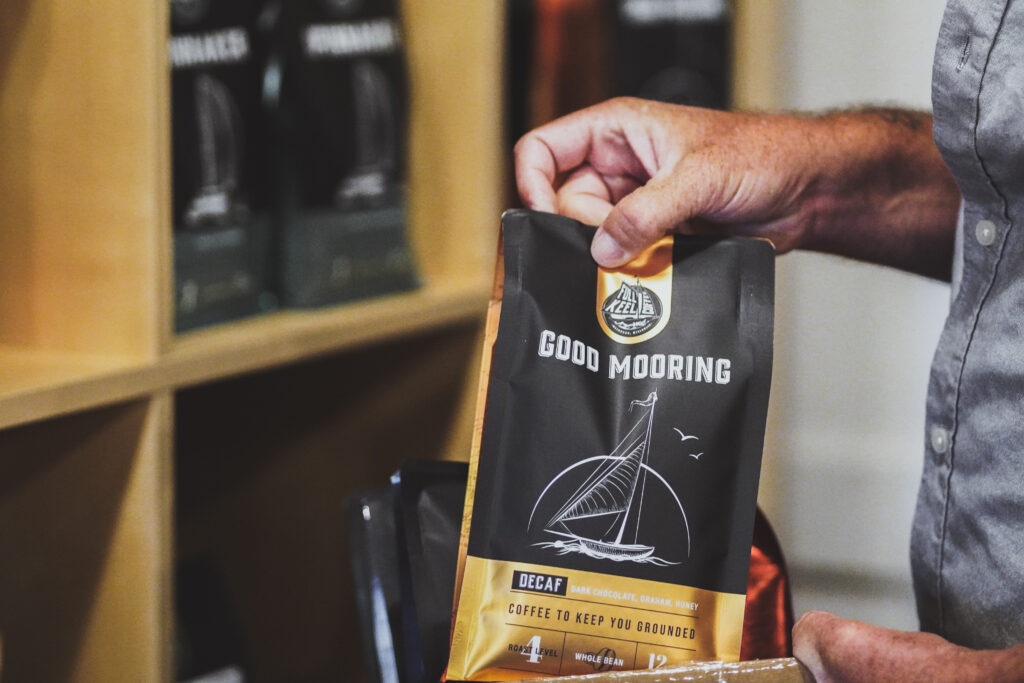
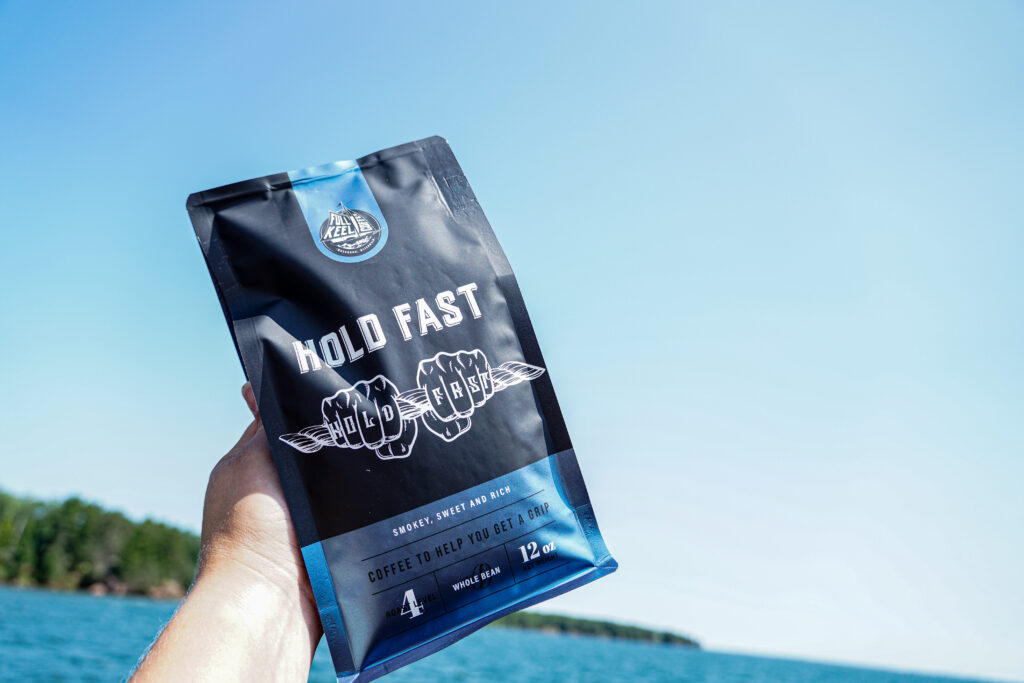
While Full Keel Coffee offers a variety of roasts, each recipe is built off a commitment to using specialty-grade beans. Whenever possible, Full Keel sources Fair Trade and organic coffees. They roast in small batches each week, focusing on freshness, consistency, and quality. 

And while the business behind coffee can be complex, he strives to keep the product itself straight-forward.  

“I want to keep it simple and approachable,” he said. “If people want all the details, they’re available, but I want the coffee itself to be the focus.” 

One of the most rewarding parts of Jared’s journey as a coffee roaster has been hearing directly from customers. Many tell Jared they no longer need cream in their coffee after trying Full Keel. One recent customer shared an especially memorable compliment: after waking from surgery, one of the first things he asked for was a cup of Full Keel Coffee. 

Whole Foods Co-op is proud to carry this local brand, roasted just down the shores of Lake Superior. If you haven’t had a chance to start your morning with Full Keel Coffee, you can find a variety of their roasts at both Co-op locations.  

Read Now

A New Chalet to Host the Next Generation of Chester Bowl Families

It was a perfect summer day at Chester Bowl, and yet the location that would be usually hosting dozens of laughing, active kids sat empty. The park, with the signature ski slope at its center, was waiting. 

This year the Chester Bowl Improvement Club, a nonprofit that partners with the City of Duluth to provide year-round programming at Chester, is overseeing the rebuilding of a brand new chalet, right in the heart of the park. During construction, the summer camps that usually keep this site bubbling with fun have been moved to neighboring parks with the hope that the chalet will open in time to welcome the first snow and excited skiers and snowboarders. 

Original Chester Bowl Chalet from the top of the ski hill.

“The new building is about serving the community and serving it well,” said Dave Schaeffer, former Executive Director of the Chester Bowl Improvement Club. The new chalet will be a tool for the nonprofit to continue to serve as many families as possible, both through facilitating winter sports on the ski hill, as well as through their popular summer camps. Larger, more accessible, and better laid out for their current needs, the new chalet will create a more welcoming atmosphere for the entire community.

And from the moment the chalet opens later this fall, it will be brimming with activity as the nonprofit implements its core winter programming. 

Starting in late October, people can come in for a fitting night to rent skis or snowboards for the year, which they can also use at other alpine hills. Families can get season rentals after the hill has opened for the winter. Rentals for this equipment are popular, particularly with people interested in skiing but are not ready to invest in their own gear, as well as for families with growing kids. And, for those who can’t afford passes and/or gear, limited scholarships are available.

This program creates a sense of identity for “Chester Park families” who spend a good portion of their winter on the hill, skiing and snowboarding, and also volunteering. Volunteers are integral to the success of every season, helping to build a sense of community while keeping operating costs down and allowing donations to go directly towards scholarships.

“The new building is all about serving the community and serving it well.”

Dave Schaeffer, former Chester Bowl Improvement Club Executive Director

“Chester Bowl was one of the foundations that helped me, as a single mom, raise my three daughters,” shared Amy Kranig, former Chester Bowl Improvement Club board member, who’s also currently serving on their finance committee and on the new chalet’s capital campaign. 

“I would not have been able to afford any of it for just one kid, let alone three. But that was never an issue,” she shared. “All three girls skied, two of them learned during ski camp, while my oldest was a cadet.”

The cadet program is just one of the ways kids have the opportunity to “Grow up Chester”, as some of them call it. After learning to ski, youth are given an opportunity to volunteer in a first ‘job’ to help out on the hill and teach younger kids to learn how to ski. There’s also a sister cadet program for their summer camps. Chester becomes a safe third place for youth to build community and independence in a safe space. 

A sketch of the new chalet, scheduled to open later this fall.

This is a reflection of the leadership’s commitment to how these activities are run. “I’ve always said that what we do, skiing, snowboarding, playing games at summer camp, is less important than how we do it,” said Dave.

And the literal guidepost for how they approach their work is through their Peace in the Parks pledge, which begins with: Chester Bowl should be a safe place for everyone. To help that happen, I promise to be kind and caring to others.

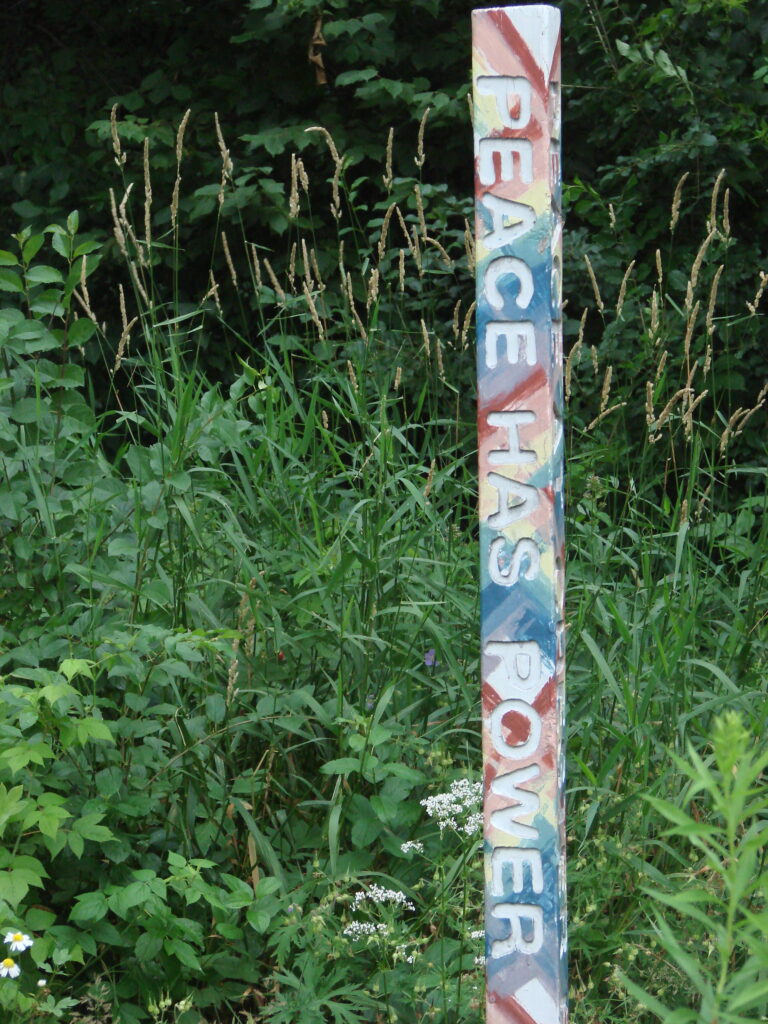
A Peace in the Parks guidepost at Chester Bowl reads “Peace Has Power.”

It’s within this ethos that people engage in Chester Bowl to have fun outside but also build community. And, with the new chalet and a fresh blanket of snow, the waiting will finally be over, and the hill will once again fill with Chester Bowl families, both returning and new. 

You can help bring more people to this community-focused hill. “We know that there are still more families that want to join us, including those that can’t afford full program fees,” said Dave. Scholarships to participate in both winter and summer programing are primarily funded by direct donations from the community. People can give directly to the Chester Bowl Improvement Club and can also round up at the register for the nonprofit this November at the Co-op.

Blog cover photo: Aerial view of the new chalet’s construction; photo by Northern Huddle Photography


Read Now
A seamless pattern of various abstract food and kitchen-related icons in brown color on a black background. The icons include fruits, vegetables, kitchen utensils, and other related items, all arranged in a playful and repetitive manner.

An Open Letter to Owners from our General Manager

Hello Whole Foods Co-op Owners,

I am writing to you today to provide context about ongoing labor negotiations between UFCW 1189 and Whole Foods Co-op, our two-store consumer-owned cooperative with 140+ employees and 14,500+ Owners. While I have not felt the need to communicate with you about Union matters or labor negotiations in the past, I feel it’s important that you have some information about ongoing negotiations at the Co-op.

Since our employees voted to unionize in 2017, we have worked hard to develop and maintain a respectful and collaborative partnership with UFCW 1189. Staff are integral to our cooperative and we feel strongly that unionization has made the Co-op a stronger and better employer. 

Together, the Co-op and UFCW 1189 have successfully negotiated three labor contracts, most recently the three-year contract covering April 2023 through April 2026. Ahead of negotiations, the Co-op and the Union agreed to extend the current contract until a new contract was in place. 

Throughout the spring, we participated in five negotiation sessions. The Union bargaining committee was comprised of six current and former employees elected by the Co-op’s bargaining unit; they were joined at the bargaining table by several Union representatives. Management was represented by three members of the leadership team and our labor attorney at the bargaining table, with additional support provided by an administrative staff and two other leadership team members.

Negotiations covered many non-economic and economic aspects of the contract. The sessions were professional, productive, and positive throughout.

At the end of the fifth negotiation session, the Union and management reached a Tentative Agreement (TA). The Union bargaining committee agreed to recommend the TA to the bargaining unit. In June, members of the bargaining unit voted to reject the TA.

The Union and management agreed to return to the bargaining table, this time with the support of a federal mediator from the Federal Mediation and Conciliation Service. In August, a new TA was reached. Earlier this month, members of the bargaining unit voted to reject the second TA.

While we are in uncharted territory for the Co-op, we are not at an impasse. We are working with the Union and the federal mediator to schedule another negotiation session. When we get back to the table, management will continue to bargain in good faith.

The Co-op remains committed to reaching an agreement that will be ratified by the bargaining unit. Employees are foundational to our cooperative, and positive labor relations remains a top priority. 

We appreciate your continued support of the Co-op as we work to reach agreement on a contract that all parties find mutually beneficial.

In cooperation,
Sarah Hannigan
Whole Foods Co-op General Manager

Read Now

We Love Our Local Farmers: An Open Letter to Local Growers and Food Producers

A black circle with an orange star at the top left and the word "LOCAL" in bold yellow letters centered below the star. The circle has a small triangular cutout on the lower right side.

At Whole Foods Co-op, ‘local’ is more than a buzzword. It represents a commitment to our neighbors.

We respect the physical, financial, and emotional investment our regional farmers pour into their work and we recognize how difficult but also how vital this work is, to not only feed the people in our region, but also to care for our land for the next generation. 

Whole Foods Co-op staff meet annually with some of our local farmers to reflect on the previous year and plan for the year ahead. 

This year, our Hillside Grocery Manager, Corrina, wrote a heartfelt letter to our farmers ahead of this meeting. The letter thoughtfully reflects how much everyone at the Co-op values the people doing the hard work that contributes to our regional food economy. We are grateful for her permission to share it with you.


An Open Letter to Our Local Farmers and Food Producers

To our local farmers and producers — thank you.

Thank you for the early mornings and the long days. Thank you for your care, your integrity, and your unwavering commitment to your land, your waters, your flocks and to this community. The dedication you bring to your products and your practices does not go unnoticed.

I continue to be amazed by this industry; by its resilience, innovation, perseverance, and heart. You manage changing markets, changing weather, changing regulations, equipment breakdowns, feed costs, fuel costs, and yet somehow still show up week after week with incredible products.

What you do isn’t just work — it’s a series of promises: a promise to steward land and water responsibly; a promise to feed families with food grown thoughtfully and ethically; a promise to strengthen the community that surrounds you.

What amazes me most isn’t just the hard work, though there’s plenty of that. It’s your stewardship. 

You’re not just growing vegetables, harvesting seafood, or producing eggs. You’re caring for land that was here long before us and protecting it for the people who will farm and fish it long after us. And that kind of long view is rare.

You make decisions today that won’t just affect this season’s yield, but the health of the soil and waters for years to come. You are always considering the sustainability of your operations for the next generation, whether that’s your kids, someone else’s kids, or young producers just getting started. We watch your patience, your tenacity, and your respect for the land and water. You show what’s possible, and you quietly set an example for that next generation of farmers, fishermen, and producers.

That’s leadership. And it’s something I deeply respect. 

Because of you, we’re able to offer food with a story, and that story is of food that’s grown and gathered with transparency and intention. You don’t just supply products, you build trust. You strengthen this community in ways that go far beyond what’s on a plate. 

There’s a humility in this work that I really admire. You don’t do it for applause. You do it because it matters. Because feeding people matters.

Stewarding land and water matters. Producing food with care and integrity matters. You are the connection, the resilience, and a driving force behind a thriving regional economy.

We don’t take that lightly.

Through your work, this isn’t just a food system that feeds us today — it’s one that will feed the next generation. And that’s something worth standing behind.

We are incredibly fortunate to partner with people who work as hard and care as much as you do. Thank you for the early mornings, the long seasons, the unpredictability, and for continuing to believe in local. 

You’re not just producing food — you’re protecting a future. And we’re proud to stand with you in that work.

So truly — thank you.

Read Now

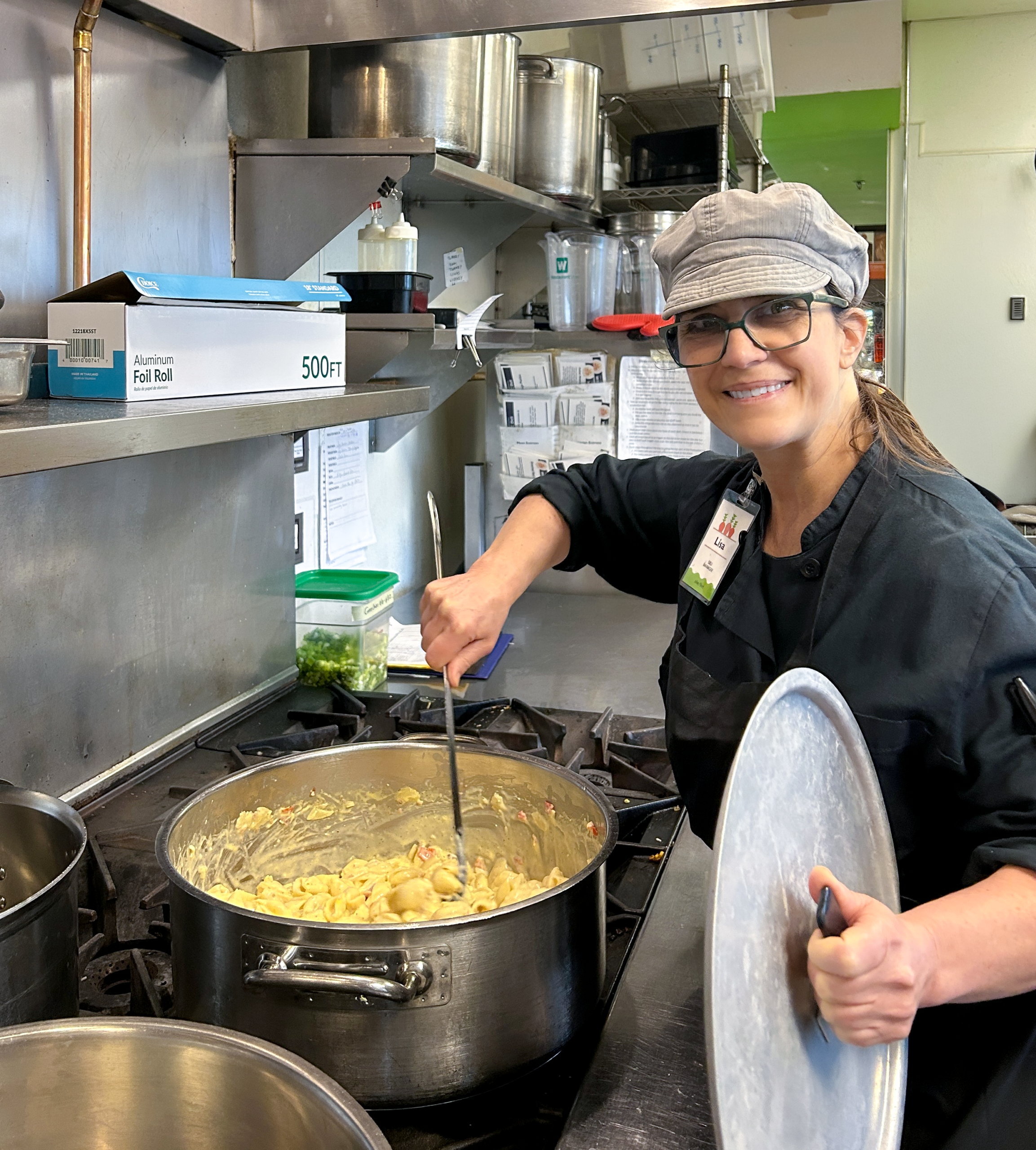
Staff Highlight: Lisa L.

Lisa L., Deli Manager, Hillside 

Employee since 2026

“Teaching people how to work with food is what I love most about my role,” said Lisa L., the Hillside store’s new Deli Manager. “The skills that people learn in kitchens are skills they take with them the rest of their lives.”

Lisa is a longtime Owner and shopper of the Co-op – especially the Deli! “I’ve been in food management for almost 30 years and when I saw this opportunity come up, I knew right away that I wanted to apply. I’ve always been impressed with the Deli’s menu and it was something I have always wanted to do.”

Lisa is also attracted to the sense of community at Whole Foods Co-op, both within its walls but also its investment in its surrounding communities. “It’s intrinsically rewarding to be a part of a community that gives back to the community.”

Staff highlights are a new monthly series where shoppers and Owners can better get to know the staff working hard to bring to quality and variety of foods to the shelves that you love. 

Favorite Food to Get at Whole Foods Co-op

  • Co-op Made Thai Red Curry Tofu

Read Now
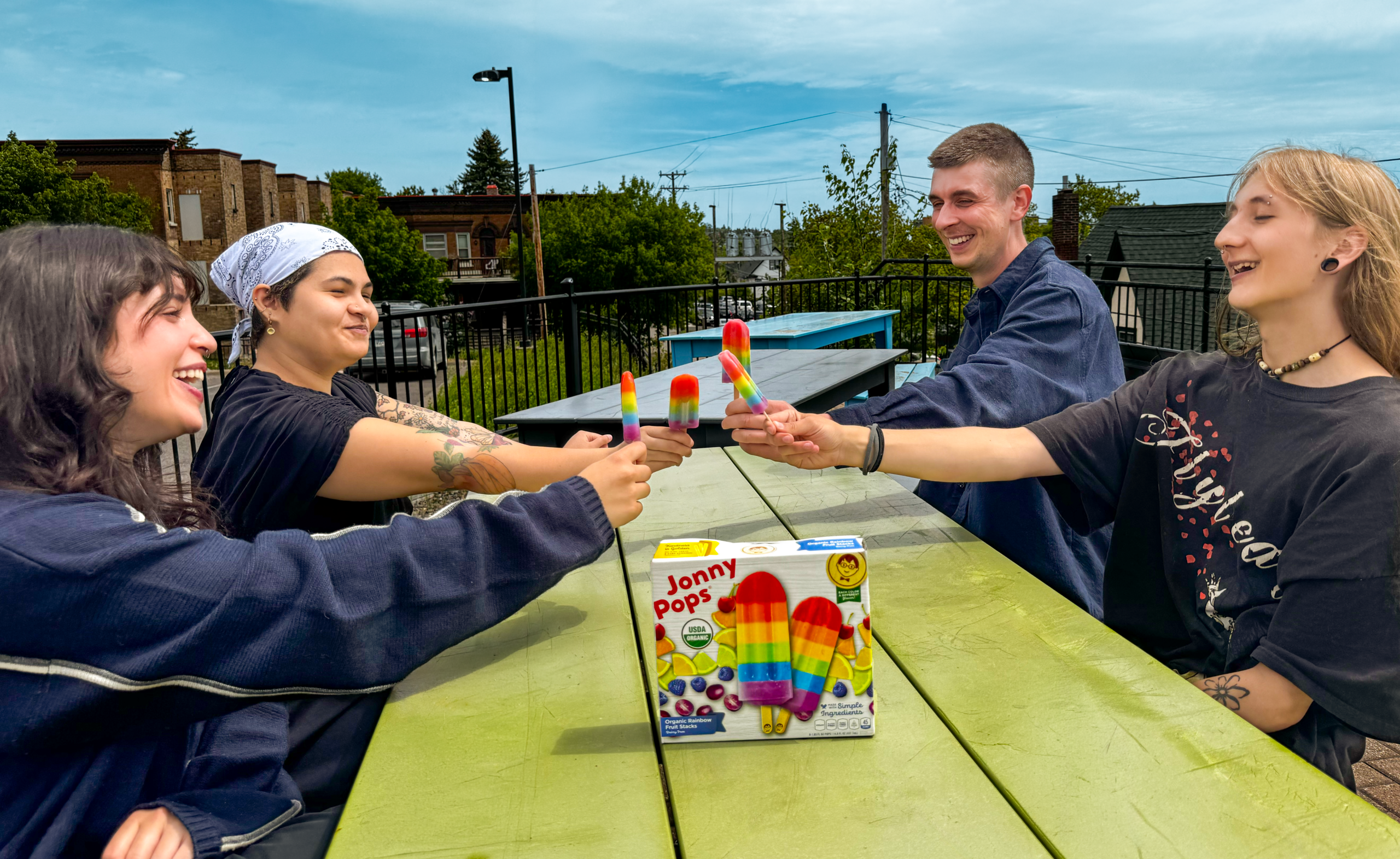
a group of young adults sitting at a green picnic table, extending their arms each holding a rainbow striped Jonny Pop frozen treat.

JonnyPops: Building a Better World, One Pop at a Time

JonnyPops stands out in a crowded freezer aisle because of its simple, clear mission: kindness. The Minnesota company carries out their mission in a myriad of ways—from a commitment to no artificial dyes, to their sticks, which have a kind deed printed on every one, as well as through their commitment to giving back to the community. 

The idea for the natural popsicle company originally came from Jonathan “Jonny” Jeffrey, a cousin of a St. Olaf College student, Erik Brust. In 2010, Jonny passed away, but Erik decided to carry his idea forward. In 2011, he formed a business with fellow students focused on making delicious popsicles with local ingredients whenever possible.

“The more homes we reach, the more kind deeds are shared.”

Michael Meriggioli, Associate Manager of Customer Marketing, JonnyPops

As the company grew, JonnyPops expanded production and eventually made its way into grocery stores across the United States, though it continues to produce its frozen treats in Elk River, MN. “Minnesota is a state that prides itself on showing up, being dependable, and taking care of your neighbors,” said Michael Meriggioli, JonnyPops’ Associate Manager of Customer Marketing. “That is aligned with how we operate. We are built around real relationships with retail partners, community engagement, and products made with simple ingredients.”

While many companies talk about their values, JonnyPops brings kindness into everyday life. Each pop stick includes a simple “kind deed,” encouraging small, meaningful moments. And, through its “Kindness is Golden” program, people can complete the kind deeds, collect their popsicle sticks, and trade them in for rewards. This transforms a frozen treat into an experience, encouraging positive action. 

a group of young adults sitting at a green picnic table, extending their arms each holding a rainbow striped Jonny Pop frozen treat.

This focus on kindness extends beyond their popsicle sticks. JonnyPops has developed programs for schools and communities, giving students simple ways to practice kindness both in and out of the classroom. “When schools need support, we don’t just ship product,” said Michael. “We send Kindness Toolkits with posters and stickers so educators can bring the mission into their classrooms.” 

JonnyPops continues to grow while staying connected to its purpose. And reaching more homes means sharing their message with more people. As Michael put it, “The more homes we reach, the more kind deeds are shared.” 

Look for a variety of JonnyPops frozen treats at both Whole Foods Co-op stores. Learn more about JonnyPops at jonnypops.com.

Read Now

Nourishing a Neighborhood: The Duluth Center for Women and Children’s Nourish Program

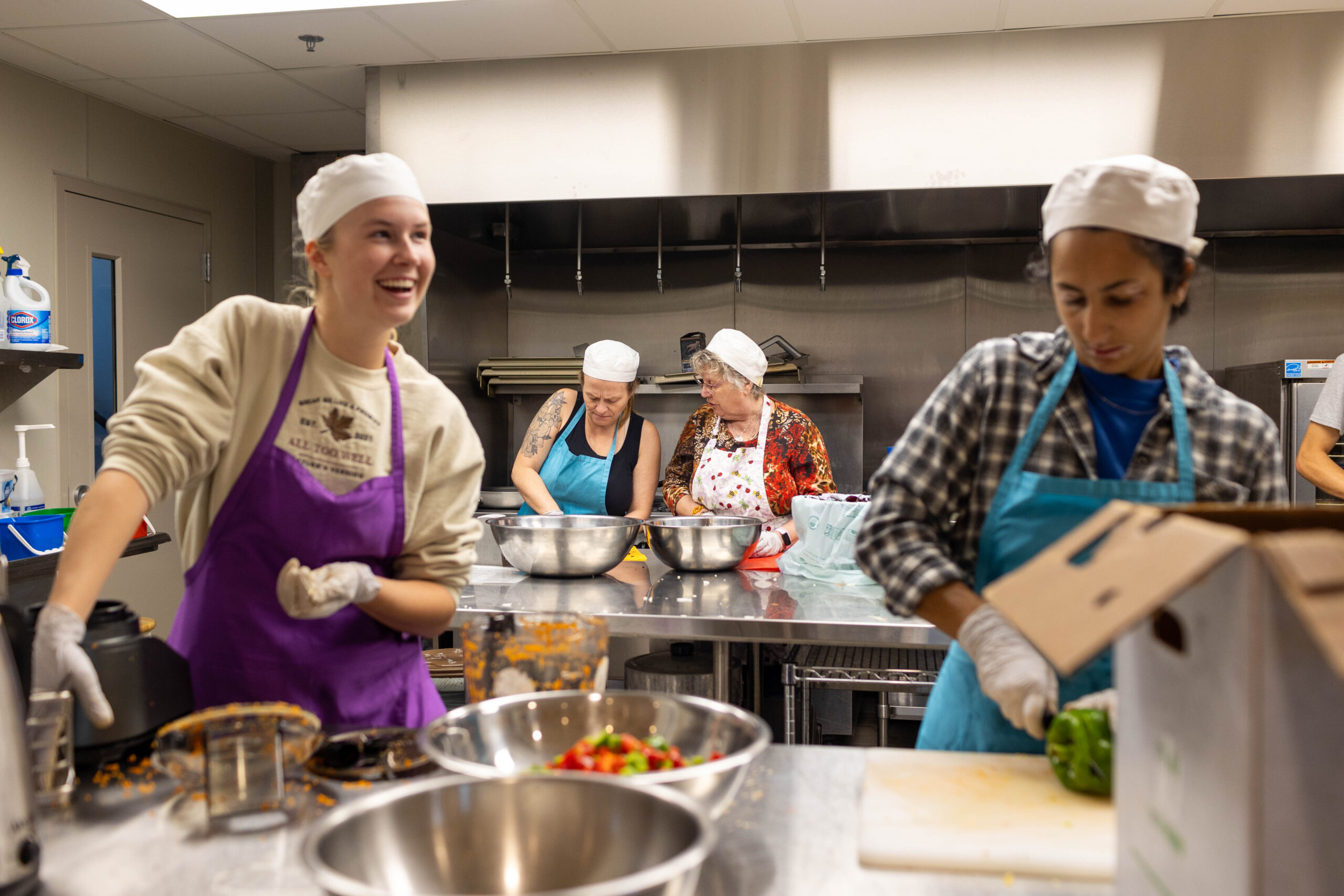
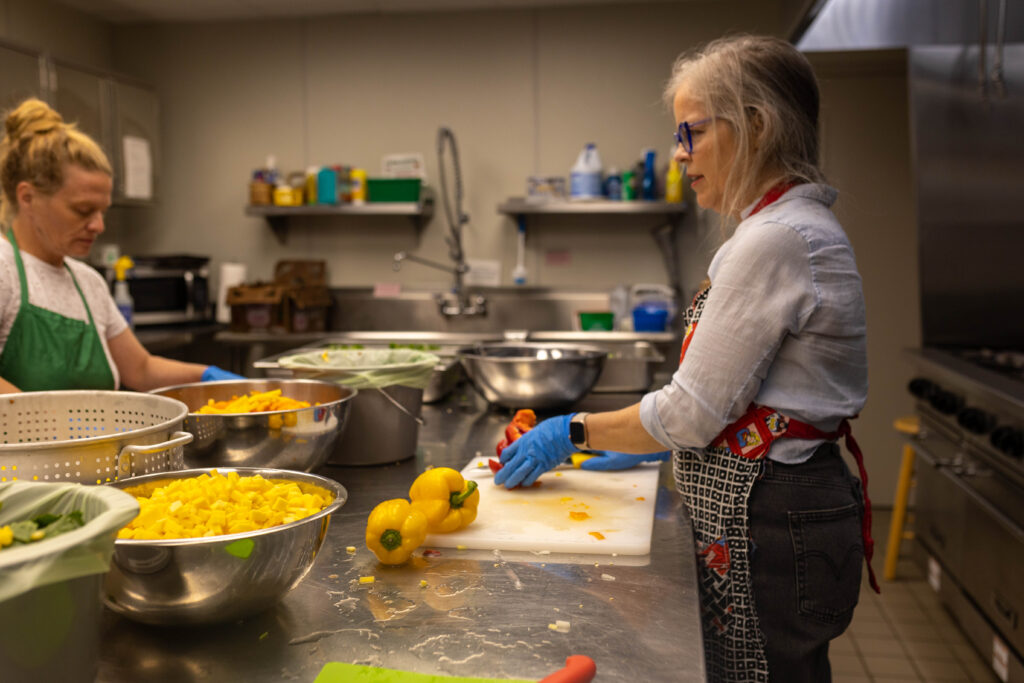
It was 8:30 am on a Monday, and a group of women were gathered over a dozen cans of diced tomatoes, two gigantic pots and a calculator, figuring out portions. As the women bantered, everyone’s eyes started watering from the whirling automatic onion dicer. As the UMD medical student tossed another onion into the machine, everyone good-humoredly razzed her. Wearing the coveted onion goggles, she unapologetically smiled and shrugged.

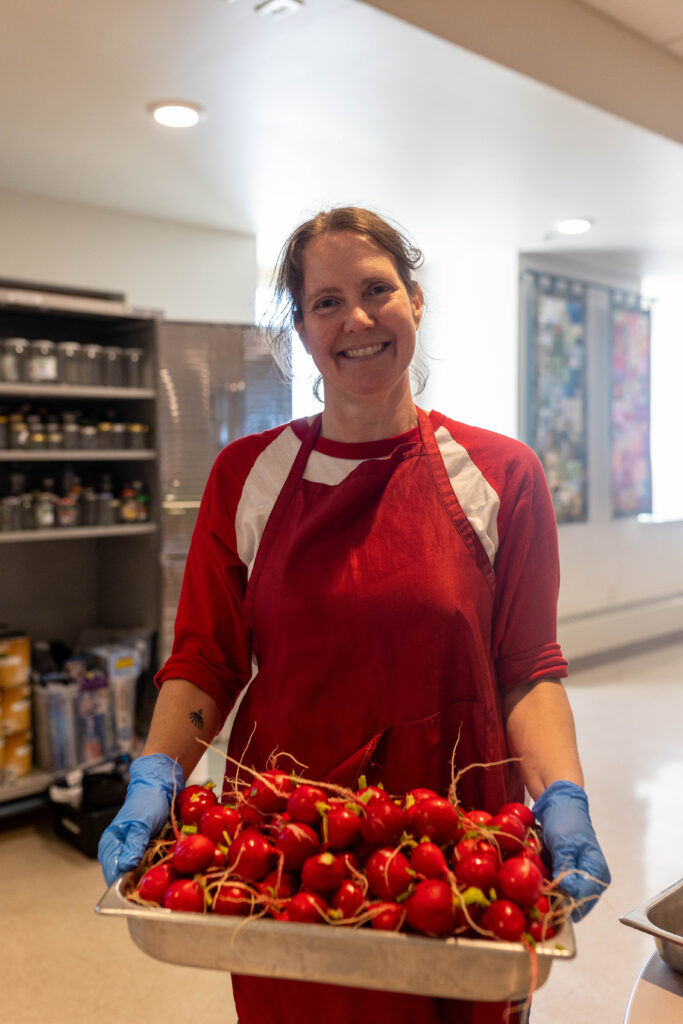
The morning had started just 15 minutes earlier with a quick meeting. The diverse group of about 20 volunteers and employees had come together to prepare the week’s meal kits for Nourish, a hyper-local meal delivery program for people living in and near the Duluth Hillside, one of several programs run by the Duluth Center for Women and Children.

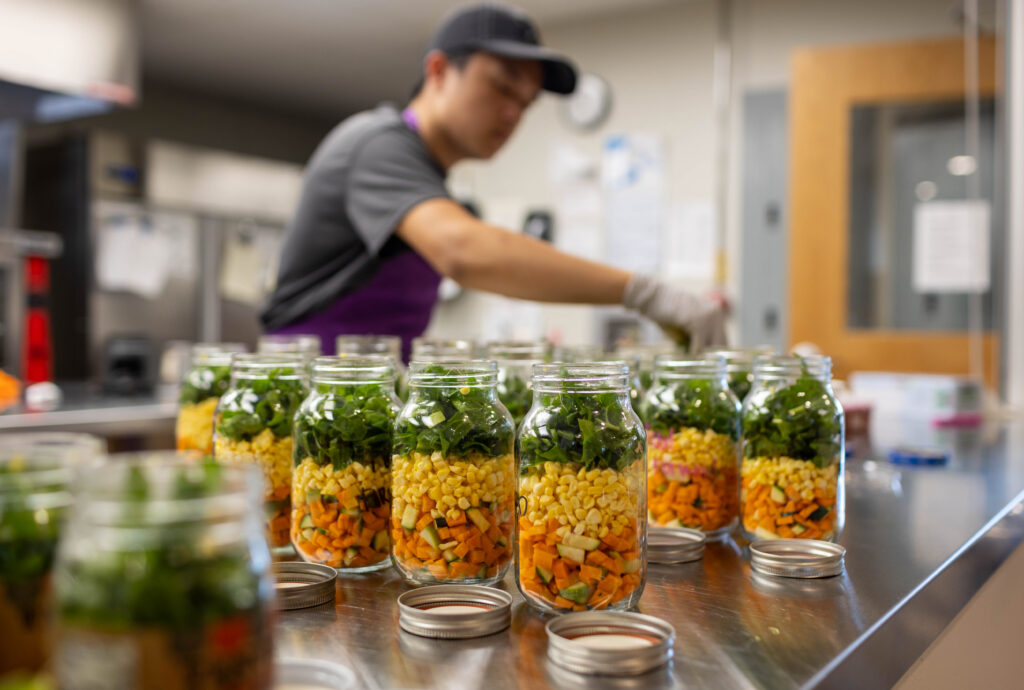
Nourish Meal Kit ingredients are prepared. Photo by Molly Suzanne Creative

Every Monday, subscribers to the Nourish program receive a box prepared that morning, filled with fresh ingredients and sauces, and a recipe, to make a meal in 30 minutes or less. Half the participants pay for their weekly box. The other half, who have an identified need, receive theirs for free. 

Aparna Katre, organizer for the Duluth Center for Women and Children and Interdisciplinary Studies Program Director at University of Minnesota Duluth, welcomed everyone and kicked off the day’s project.

“Today’s recipe is for jambalaya. We need 164 servings, 69 for kids,” she said before pointing out the ingredients for the regular and vegetarian recipes. Then people dispersed to wash, measure, cut and cook ingredients.

The idea for Nourish, a sort of grassroots Hello Fresh, was born from an evidence-based approach out of UMD, where professors sought to make an impact on the Central Hillside through implementing social entrepreneurship. Dr. Molly Harney was working with a group of women around trauma and parenting who were primarily living in the Steve O’Neil Apartments. “During that process, she realized that women are isolated and disconnected,” Aparna explained. “They need meaning and purpose. So, she had an idea to create a social enterprise.” 

The group, First Ladies of the Hillside, was formed with the tagline “Invisible No More” focused on giving purpose – and visibility – to women living on the Central Hillside who were feeling overlooked. The group later became The Duluth Center for Women and Children. 

To create a social enterprise, first the group needed to identify a need that they could fill. That’s when they connected with Aparna. “I was teaching an entrepreneurship class here at UMD,” she explained. “I got students and the women together in a class for a semester and we did exploration. We didn’t want to just do more of what is being done but [instead] find a gap that existed in the Central Hillside that we could fill.”

Photo by Molly Suzanne Creative

The group identified food security, both access to whole fresh foods, as well as the skills and confidence to cook these foods, as a need they could meet and the idea for the meal kits was born. “It made sense for the community,” Aparna said. “The meal kits could help households, over time, to transition to more healthy eating behaviors.”

The meal kits provide free fresh meals, including partially prepared components as well as some ingredients that still need to be cooked. A recipe is included, both to provide instructions on how to cook the remaining ingredients, as well as how to pull the entire meal together. This approach helps to build familiarity with specific ingredients that may not be familiar to everyone while building confidence in the kitchen, through practice. 

Photo by Molly Suzanne Creative

UMD students worked with Aparna to collect information and data from the program participants to understand which parts of the program were working – and which parts weren’t. 

They sought to answer the questions: Are the people receiving the meal kits actually eating the meals? Are they throwing out some food? How happy are they? “As we introduce new tastes and new, healthier foods, we had to meet meal kit recipients where they were on in their food journey,” Aparna said. “As we began to introduce newer foods, we looked at whether they were actually accepting those foods or not.” The team was then able to implement their findings in real time, adjusting the program to continue to better fit the needs of the community they were working with. 

The nonprofit’s partnership with UMD and work with students has added the capacity to gather valuable insights. But it has also created tangible, real-life learning opportunities for students.

In addition, the program has brought important employment opportunities to a population that has fallen out of the workforce.

Staying true to the program’s original intent of engaging women on the Central Hillside who are looking to improve their lives and their community, the program provides an opportunity for people experiencing mental health issues or other life circumstances to engage in a trauma-informed work environment.

By creating a flexible and compassionate employment model, they’ve helped to get women back on their feet. “We have had some employees move on to other things,” Aparna explained. “They are now in full-time positions in other places.”

“Here, you feel like a mission is being accomplished… when you leave, you leave feeling full.”

DCWC Staff Member

Back in the kitchen, another benefit of the Nourish program is palpable.

At one table, a young woman meets a middle-aged woman, who together scoop and bag servings of rice. In the kitchen, a half-dozen college students chop a mountain of peppers. Two veteran volunteers wash the reusable glass jars that will soon be filled with all the diced vegetables. Meanwhile, calculations complete, the staff have moved on from the cans of tomatoes to cook at the stoves and coordinate all the moving pieces that will culminate in a box filled with reusable jars of diced vegetables, a jar of jambalaya base, a bag of uncooked rice, and some trail mix (a snack for the kids). The food will all then be personally delivered to the doorsteps of homes in neighborhoods in and around the Hillside.

Photo by Molly Suzanne Creative

In every corner, there’s laughter and joy in doing good work for neighbors with neighbors. Person after person, when asked why they come back, share the sense of community they feel when working together.

“Here, you feel like a mission is being accomplished,” commented one of the staff. “When you leave, you leave feeling full.”

If you’re looking to get involved through donating, volunteering, or subscribing to a Nourish meal kit, visit dcwcnourish.com.

Read Now

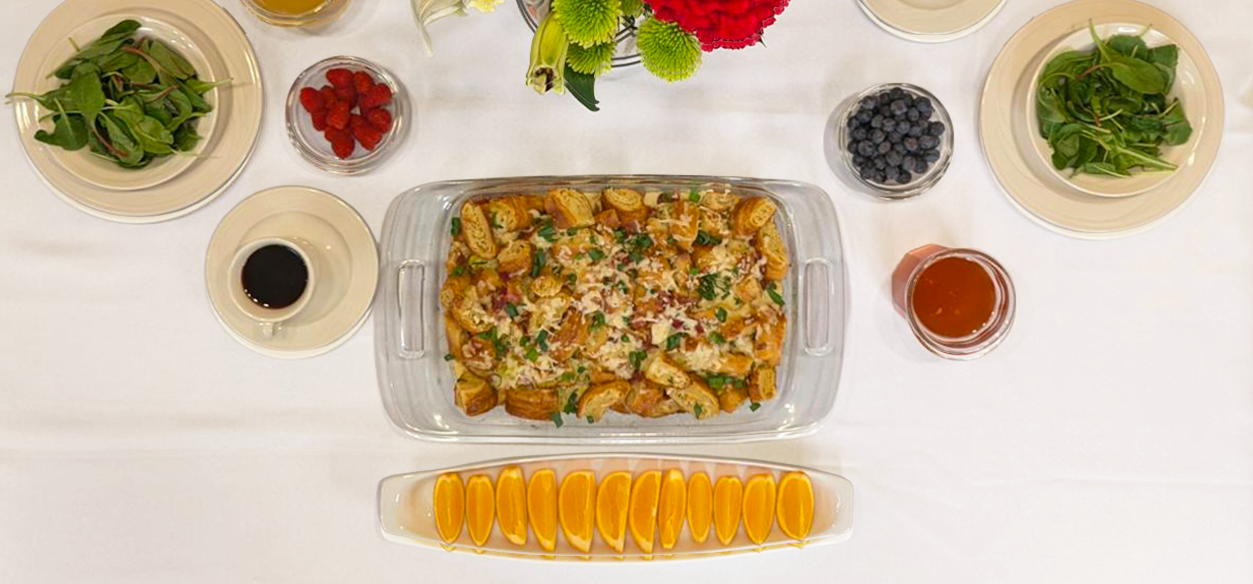
Brunch Made Local

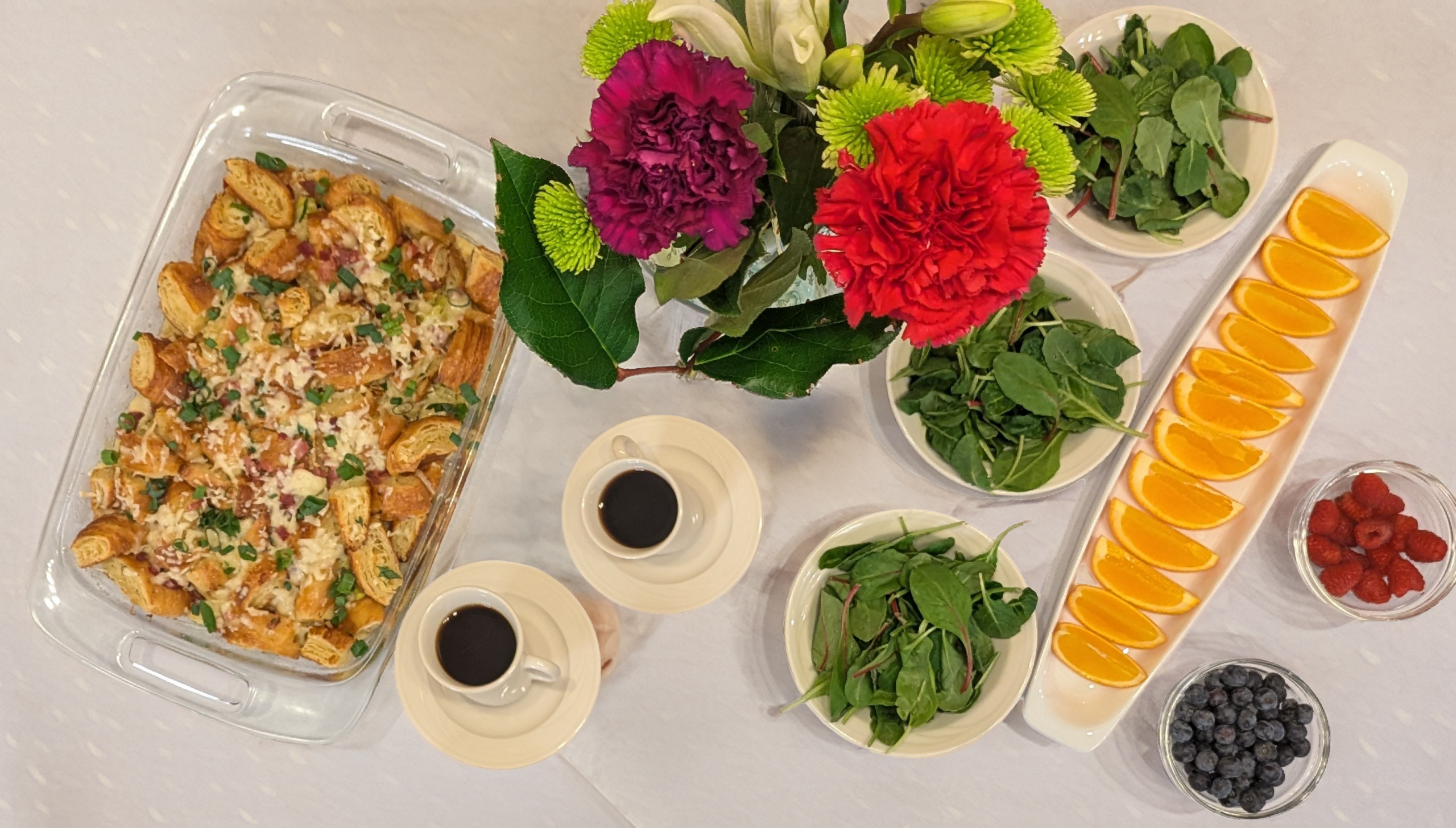
Walk down any aisle at Whole Foods Co-op, and you’ll find local foods to fill your shopping cart. Whether you’re looking for one all-star ingredient or to fill your table with local options, it’s easy to support regional farmers and food producers when you shop the Co-op. In our brunch recipe, you’ll find many products grown or made here in Minnesota or Wisconsin. But don’t stop there! Remember to round out your brunch with a locally roasted coffee and decorate your table with fresh local flowers.

Learn a bit about the local producers featured in our Co-op Croissant Bake recipe! Click the logo to visit the producer’s website.

Deer Creek

Created by master cheese maker Chris Gentine, Deer Creek has become known for its award‑winning, artisanal cheeses. 

Duluth’s Best Bread

This family‑owned bakery has been rolling in the yeast since 2015. In addition to supplying to the Co-op, they have three locations in the Twin Ports!

Locally Laid Egg Company

Locally Laid’s hens are pasture-raised and have lots of outside space to exercise. By sourcing and selling locally, Locally Laid champions mid-sized farms and strengthening rural communities.

Food Farm

Food Farm has been part of the Co‑op’s story for decades. The Fisher‑Merritt family, spanning multiple generations, grows organic vegetables that are available at the Co-op and through CSA shares.

Johnston’s Riverview Farm

The farm is a family‑run operation that still delivers milk in reusable glass bottles and focuses on sustainable principles like reusable packaging, pasture‑based and regenerative grazing, and more.

Westby Creamery

Farmer‑owned since 1903, Westby Cooperative Creamery represents about 100 farm families working together to support healthy animals, a healthy planet, and delicious dairy. 

Y-ker Acres

The Stamper family raises truly happy pigs; the animals spend their days outdoors year‑round, exploring and rooting, supported with non‑GMO supplemental feed.  


Co-op Croissant Bake

0.0 from 0 votes
Course: Whole Foods Co-opDifficulty: Intermediate / Moderate / Average
Prep time

30

minutes
Baking time

45

minutes
Resting time

10

minutes

Make a delicious croissant bake featuring local ingredients, perfect for weekend brunch.

Ingredients

  • 6-8 Duluth’s Best Bread croissants, preferable one-day-old and cut into four pieces

  • ⅛ cup salted Westby butter

  • 1 cup thinly sliced leeks

  • 1 cup finely chopped Food Farm shallots

  • 1-2 garlic cloves, minced

  • 3 large Locally Laid eggs

  • 1 Tbsp. Dijon mustard

  • 1 cup heavy whipping cream

  • 1 ¼ cups Johnston’s Riverview Farm milk

  • 1 Tbsp. each chopped thyme leaves and chives

  • ¾ cup Y-ker Acres ham, cut into bite-size pieces

  • 1 cup grated Deer Creek Vat17 World Cheddar

Directions

  •  Preheat the oven to 350°F and grease a medium casserole dish.
  •  Dry the croissant pieces overnight or lightly toast them until crisp on the edges. 
  • Melt the butter in a skillet over medium heat, then cook the garlic, leeks, and onions for about 5 minutes, or until soft. 
  • In a large bowl, whisk together the eggs, Dijon mustard, cream, milk, and chives. Add half of the croissant pieces and let them soak for a minute. 
  • Spread half of the leek–onion mixture in the casserole dish, then add the soaked croissants. 
  • Scatter the ham evenly over the top and add half of the cheese.
  • Soak the remaining croissant pieces in the egg mixture, place them on top, sprinkle with the remaining cheese, and pour any leftover mixture over the top. 
  • Cover with greased foil and bake for 30–35 minutes. Uncover and bake an additional 10–15 minutes until puffed and golden.
  • Rest for 10 minutes before serving.
Read Now