
NATIVE WISE: RESTORING LAND, RAISING BISON, AND BUILDING FOR THE FUTURE
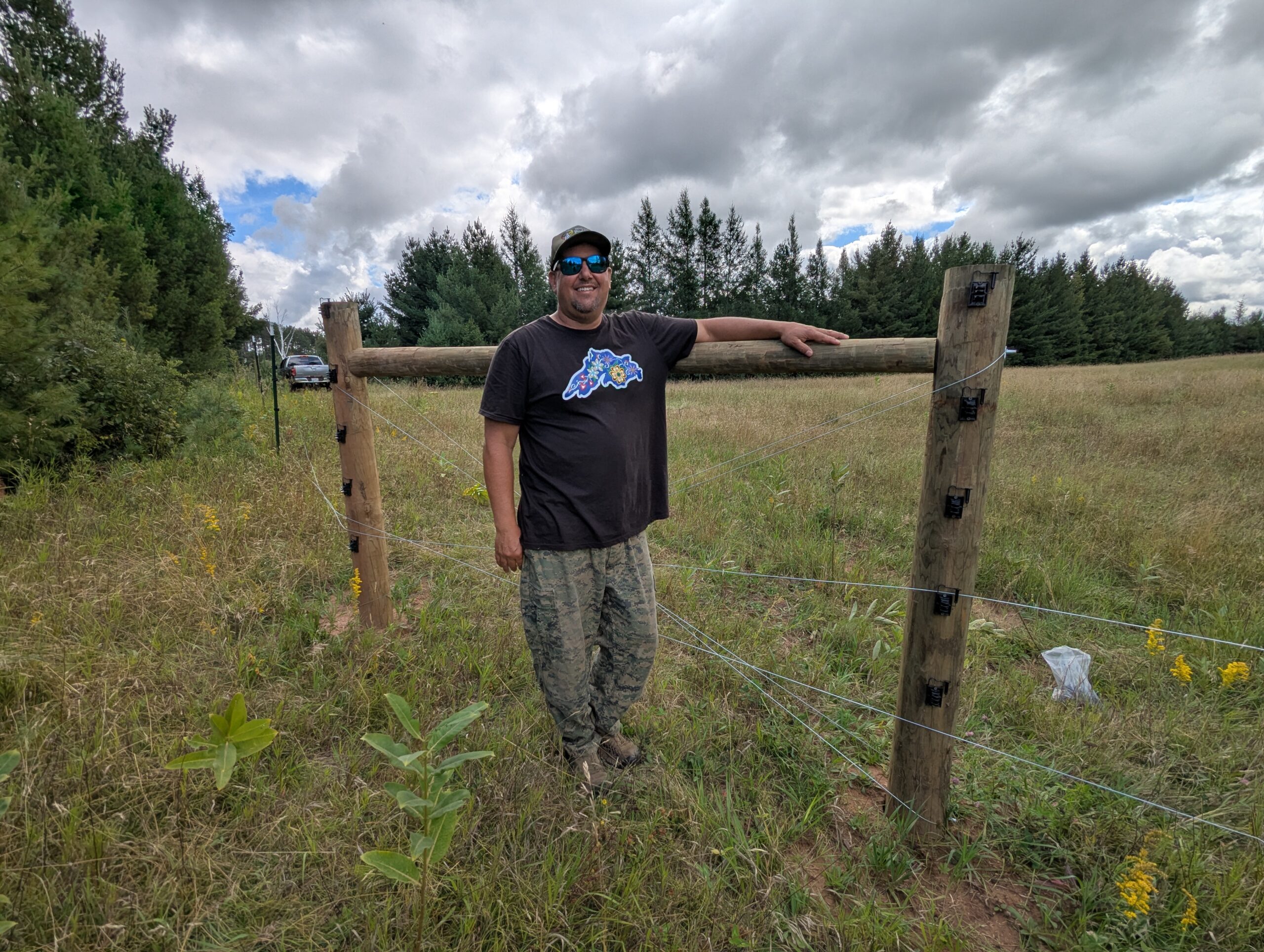
At Native Wise, David Wise is doing more than raising bison—he’s reconnecting with his family’s land and restoring its natural rhythms. Located in Sawyer, MN, the farm at the center of their Native-owned and operated business is a labor of love and legacy, built on land that has been in David’s family for generations. “It’s good to be back on the land and helping it be productive again,” he shared.
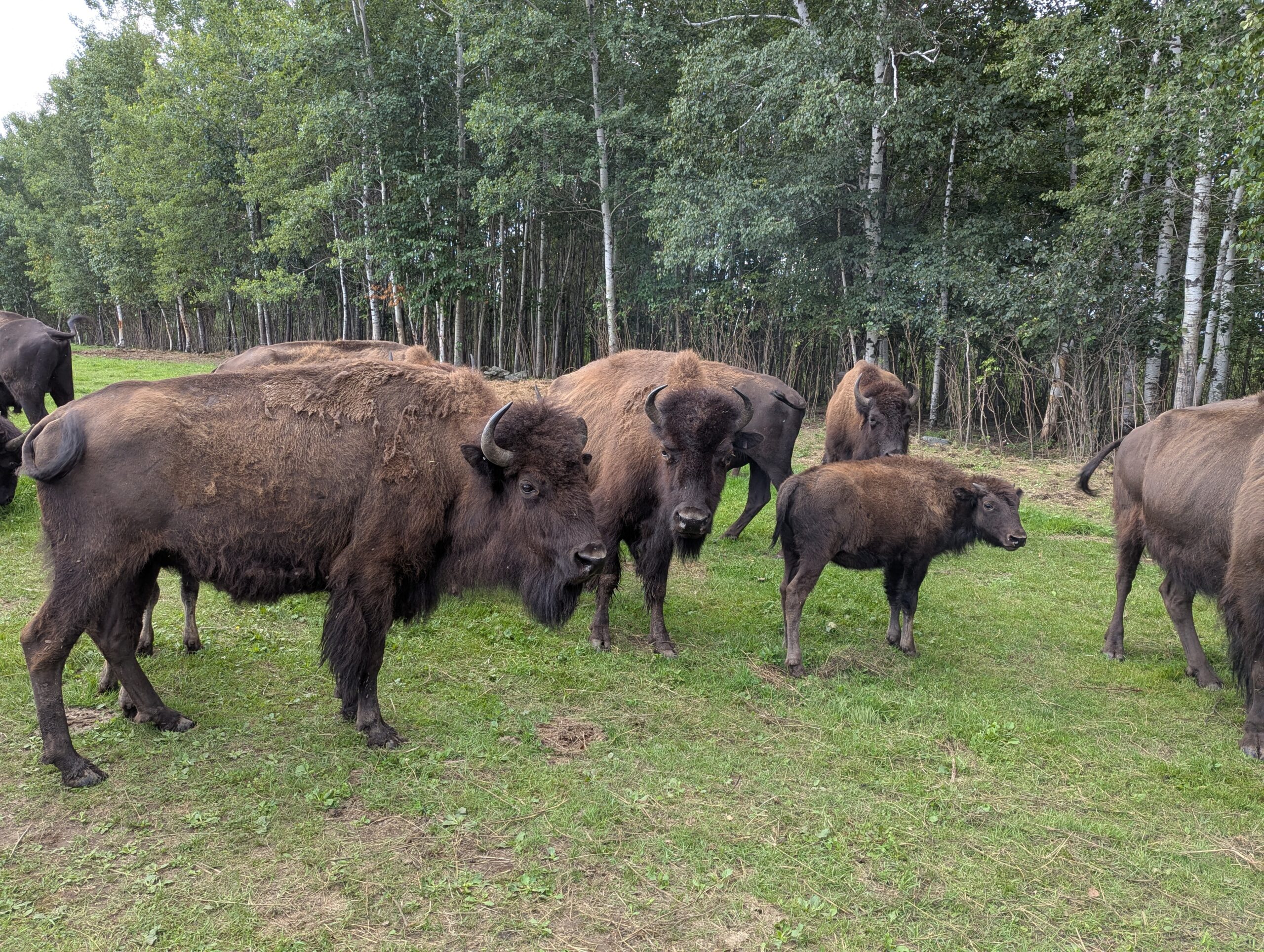
Four years ago, David began the journey of bison ranching. The bison are thriving, helping to bring back native grasses and contributing to the health of the ecosystem. “They really fit well here on the landscape,” David said. “They’re doing a nice job of grazing, which mimics the natural cycles—similar to fire—by eating down the grass.”
Native Wise’s bison are unique—they come from natural preserves and don’t carry cattle genes. David is also planning to cross his herd with wood bison, which are more naturally suited to the region. “Historically, wood bison would’ve been here, along with moose and caribou,” he said. “It’s about restoring what would’ve naturally existed.”
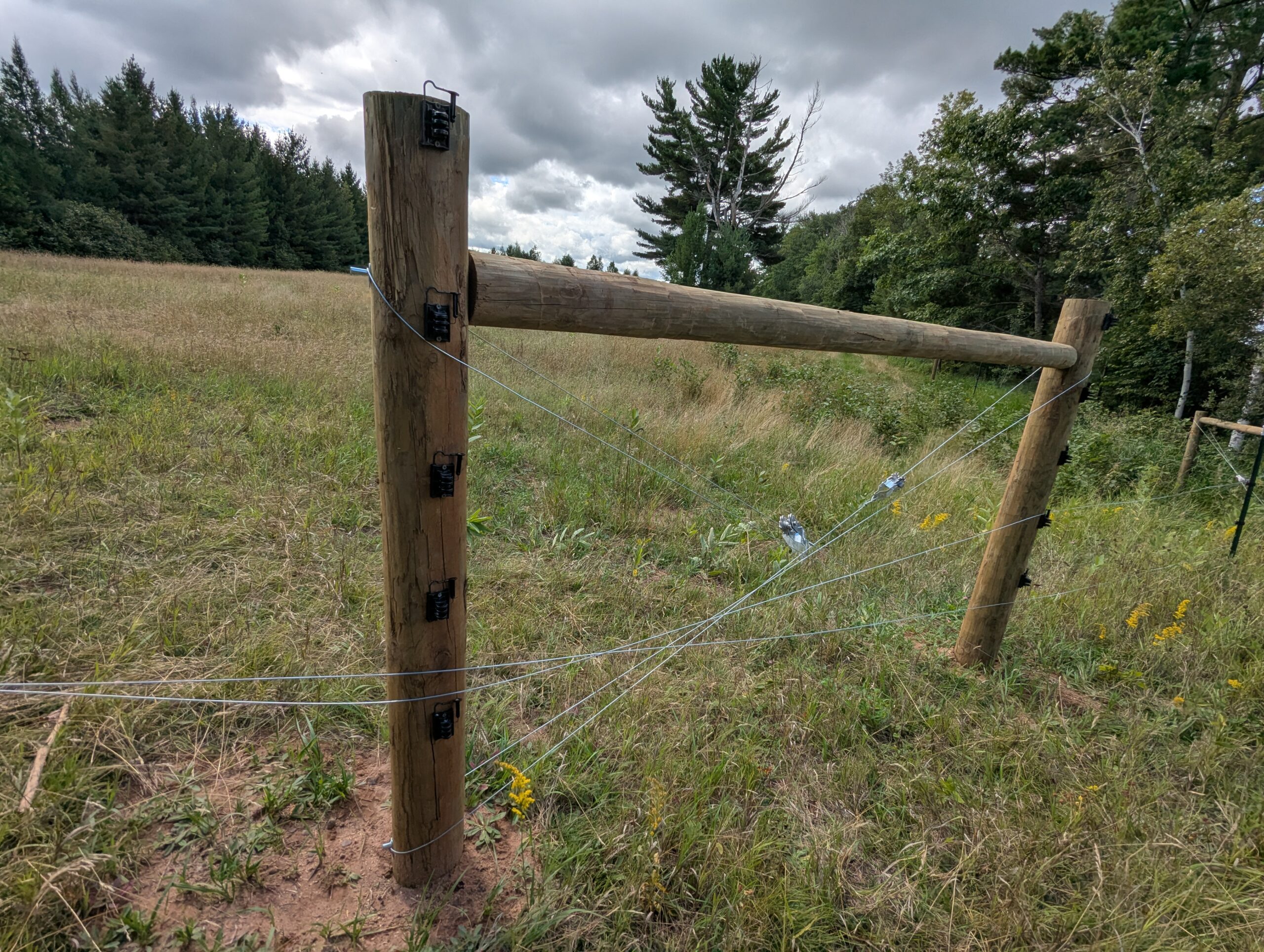
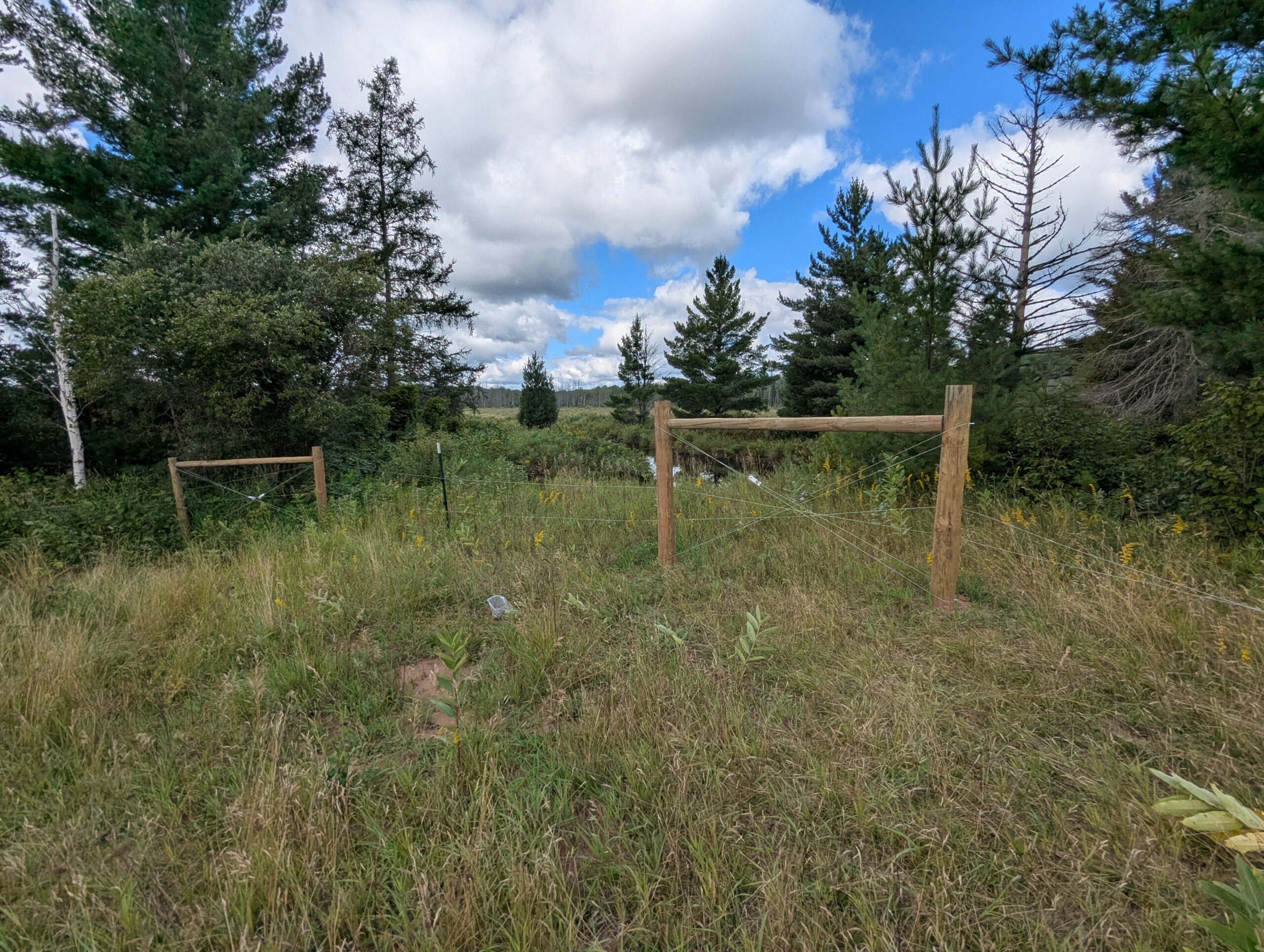
One of the biggest undertakings at Native Wise has been fencing. With support from the Grow Local Food Fund, David has been able to expand the fencing system by another mile, allowing for rotational grazing and protecting sensitive areas like a river cutting through the property from erosion. “We’ve been working on this project since spring,” he explained. “There’s a lot of brush to clear and posts to set, but we’re almost done.”
The fencing isn’t just functional—it’s built to last. David is investing in quality materials, including sturdy wood posts at the corners, with the goal of creating infrastructure that will serve the farm for generations. His 8-year-old son has even pitched in, making it a true family effort.
Shortly after Whole Foods Co-op’s visit, the fencing was complete and the herd was released into the new territory full of fresh grasses and plants. The bison excitedly ran in, like kids at a candy buffet.
Looking ahead, David envisions expanding the farm’s impact through ecotourism. He’s considering adding yurts on the far side of the property, where visitors could wake up to the sight of bison safely grazing nearby. He’s also exploring the idea of adding goats to help manage brush that bison don’t eat and can quickly take over.
For David, working with Whole Foods Co-op was a meaningful step for his business. “They were the only place we could get in as a small producer,” he said.
Native Wise is growing stronger—preserving heritage, protecting the land, and building a future rooted in sustainability. When you round up for GIVE!, a portion of your donation goes to support the Grow Local Food Fund, and our regional farms and food producers, like Native Wise. Thank you for rounding up!