
 " />
" />
Whole Foods Co-op 2026 Election
September 8 – October 11
Every year, Whole Foods Co-op Owners vote to approve the previous Annual Meeting minutes, choose from board candidates and select the next year’s GIVE! Community Support Program recipients. You’re invited to read the Election Guide, below, to learn more about the candidates and GIVE! applicants.
How-To Vote
- Your Owner number is your Elector ID
- Your password is the last name of the primary person on the Owner account
Owner numbers can only be used once. Owner equity must be paid in full to vote in the election. Those who have become Owners after Sept., 1, 2026 must vote using a paper ballot, available at customer service. Owners who attend the 2026 Annual Owner meeting may vote in person at a voting station.
This Year’s election:
- Choose five (5) Whole Foods Co-op Board Member candidates
- Approve Minutes from the 2025 Annual Owner Meeting
- Choose your top 8 from the list of GIVE! nonprofit applicants
Voting opens Tuesday, September 8 at 9am and will close Sunday, October 11 at 9pm.
Election Guide
Time to help shape the Co-op! There are five open seats for the Board of Directors and six candidates. Three seats are for a three-year term; two seats are for a two-year term. There will be eight organizations selected to be recipients of GIVE! register round up program.
Meet the board candidates
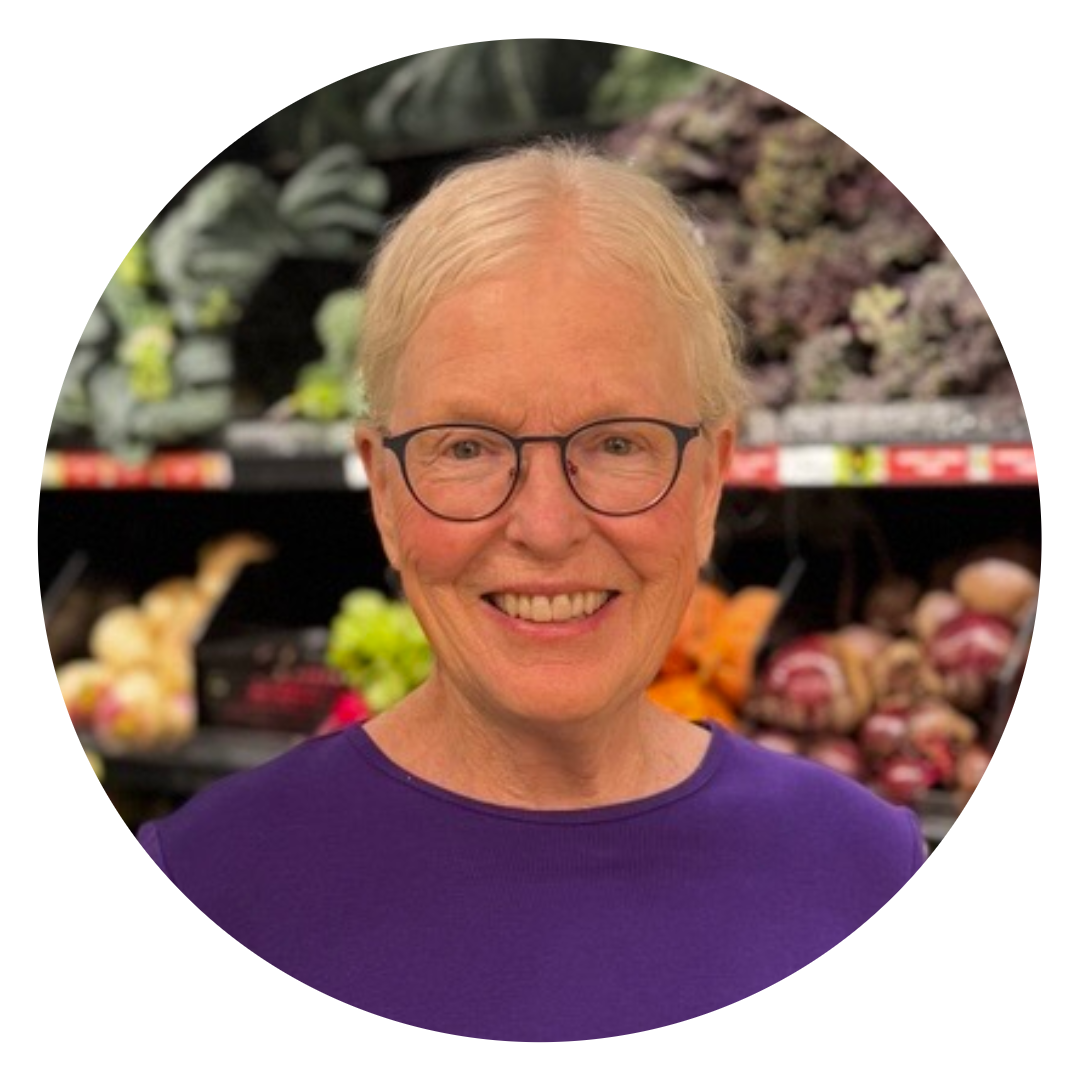
Board of Directors Candidate
Susan Darley-Hill
Incumbent
Provide a statement of introduction.
Greetings. My name is Susie Darley-Hill. We’ve lived all over the US, but have called Duluth home for 25 years. Before moving here, I taught Biology and Botany at the college level and served as education director of a bioregional farm in Northern Kentucky. After moving to Duluth, I worked at WLSSD (Resource Renew) as an environmental program coordinator, overseeing the tour program and helping develop the food waste recovery and composting programs for our region. I am now retired and enjoy hiking, skiing, gardening, and traveling with my husband to visit our children and grandchildren.
Why would you like to serve on the Board of Directors of Whole Foods Co-op?
I’ve been a committed food co-op shopper since I was in high school, growing up in a vegetable-growing, wheat germ-eating household. I proudly became an (almost) self-supporting co-op owner as a college student in Montana. We’ve since been members of co-ops and buying clubs in all of the states where we’ve lived. For me, a friendly, well-run, well-stocked food co-op is core to a vibrant community.
My primary goal as a Board Member is working to ensure that Whole Foods Co-op is a reliable, welcoming fixture in our community providing access to high quality, nutritious, affordable food for our owners and neighbors. I advocate for locally sourced food that will support small farms and producers within our growing region, diminishing the energy and resource expenditure associated with long distance transport of goods. Our co-op can play a critical role in maintaining a strong, resilient framework that not only supports local growers, producers, and businesses but reinvests our financial resources circulating within the Twin Ports region, improving the economy and providing food security.
Additionally, I promote seeking alternatives to plastic packaging and other forms of over-packaging that generate household and commercial waste.
Describe any volunteer or paid experiences relevant to your service as a Co-op Board member. How have you demonstrated a commitment to diversity and inclusion, and how do you see yourself demonstrating this during your WFC Board Service?
I have served on a number of Boards including the MN Composting Council, Hartley Nature Center, League of Women Voters Duluth, WDSE Sounding Board, and Community Education Boards in Allen, TX and Cincinnati, OH. My commitment to diversity and inclusion in each of my terms on these Boards, as well as my work as education director and faculty member, has been central to my service. Writing grants for scholarships and busing ensured 30,000 children, annually, had access to a transforming farm experience. I have helped develop and provide inclusive and adaptive experiences to better serve students, tour visitors and citizens attending political forums so that no one is excluded from enriching experiences or participating in civic activities. As a Whole Foods Co-op Board Member, I will continue to carry on this commitment to be aware of and address those concerns where voices may not be heard, exclusion is happening or needs are not being met in our community. I continue to seek opportunities that will help me to become a stronger ally.
What opportunities and challenges do you see in the future for Whole Foods Co-op?
My work with WLSSD’s food waste recovery program provided great insight into the extremely thin margins within which food service and grocers operate. Balancing the needs of customers, staff, and food suppliers is an on-going challenge. Everyone strives to live their best life. The cooperative framework is one where the bottom line is not the only parameter that is considered when creating a long term plan for stable, sustainable growth. The competition from big box stores as purveyors of organic food (rarely locally grown) has hurt our co-op and food co-ops nationwide. We want our owners to see real value in supporting a co-operative business that retains a far greater share of economic resources within our community, to the benefit of us all. We need a long-lived community resource that is inclusive and serves its community members, employees, and food partners well. Accessibility to quality and affordable food, providing staff with a living wage and benefits, and ensuring a market for local food growers represent opportunities that require effective listening and communication, imagination, and much thoughtful and worthwhile work..
Anything else you’d like to add?
I have learned so much during my first term on the Board. I would be honored to be elected to serve a second term, armed with significantly more understanding and insight than when I attended my first Board meeting three years ago. I love Duluth! I’ve now lived here longer than anywhere else and it’s a pretty remarkable place to be. Having a great food co-op that’s easy to get to and where I can afford to buy the food and products I want is essential to my quality of life. As an owner I am deeply invested in ensuring Whole Foods Co-op is a worthy, foundational fixture in my community. As a Board Member I will bring that commitment to the work I do on behalf of our 14,000+ owners.
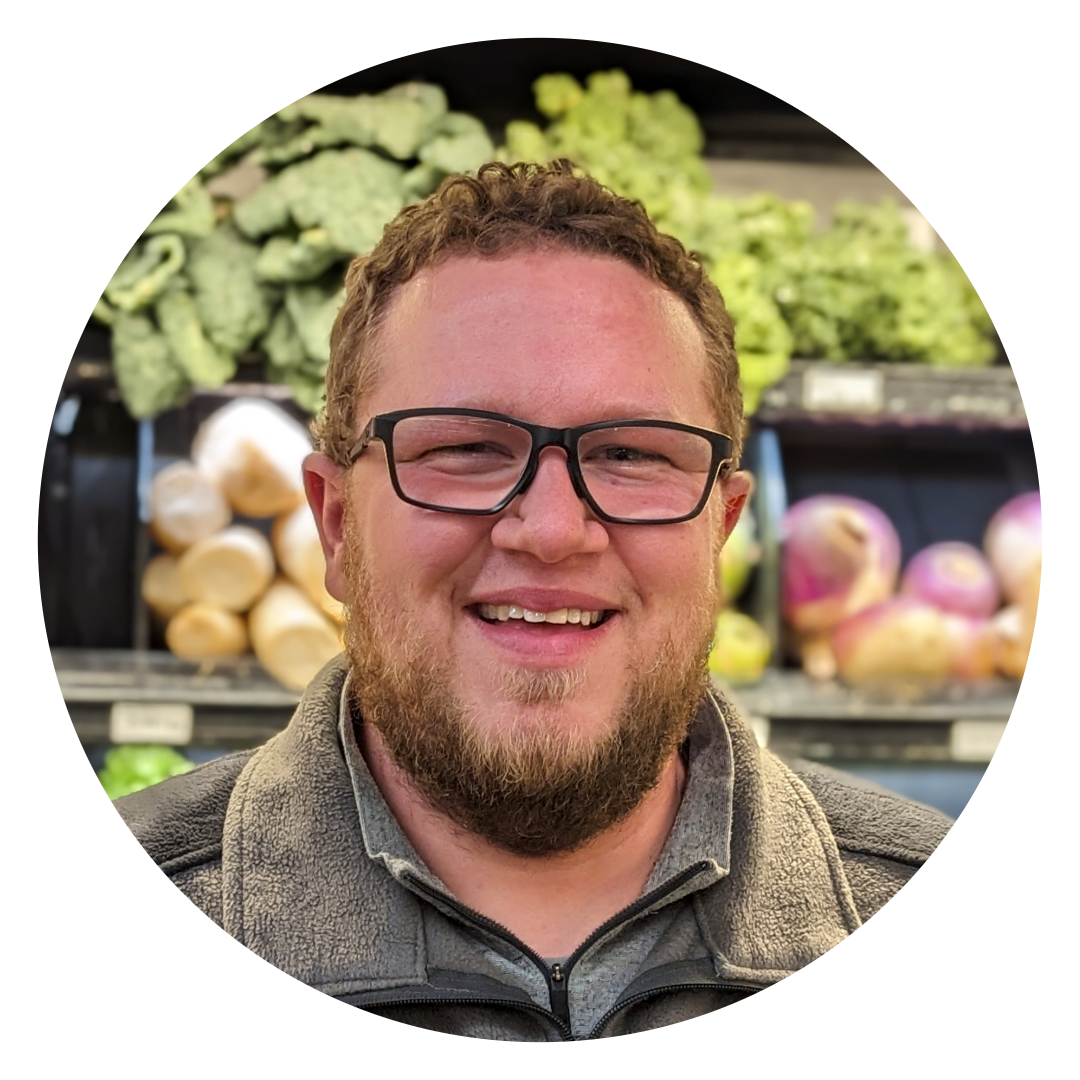
Board of Directors Candidate
Tristen Eberling
Incumbent
Provide a statement of introduction.
Growing up in Minnesota, the Duluth/North Shore area was always a fun place to visit, and I always had it in the back of my head that I would like to live up here one day. Instead of coming up here for college, I ended up in the driftless region of Iowa where I lived for 6 years, 4 in college, and then 2 more serving 2 terms for an Americorps program doing home weatherizations. It was during this time period that learning where my food was coming from became something very important to me, and luckily the area I was in had a great farmers market, as well as a co-op grocery store. After Americorps it was time to find a real job, and I was fortunate to find an opening in Duluth at a small nonprofit called Ecolibrium3 doing similar work I had done during my time in Americorps. Upon moving to Duluth, I quickly located the Whole Foods Co-op, and started shopping there, eventually becoming an owner, and then after some pushing from my wife, decided to run for an open Board position.
Besides shopping at the Co-op, and doing Board things, you can usually find me out biking on the Duluth trails, or traveling to the LSGS enduro and downhill bike events with my wife and our adopted son. Or I may also be out with my yellow lab grouse hunting, or just working on training with her, and just out and about enjoying all the nature that the area has to offer.
Why would you like to serve on the Board of Directors of Whole Foods Co-op?
I would like to continue to serve on the Board because after my first 3 years, I feel like I’m just getting started, and there is so much more to learn. Shopping at and being a part of the Co-op is one thing, but understanding what a policy governance Board is, and how we help to run the Co-op together is a whole other challenge. It’s been great learning how everything works, as well as working with and getting to know the other Board Members, and working with them to help the Co-op be successful.
Describe any volunteer or paid experiences relevant to your service as a Co-op Board member. How have you demonstrated a commitment to diversity and inclusion, and how do you see yourself demonstrating this during your WFC Board Service?
I think my career with Ecolibrium3 is very relevant to Co-op Board work. I am often out in the community, usually working with homeowners to reach their energy efficiency goals, or just out working on one of the many different projects we have going on at any given time.
Another thing I get to do for my job is to help plan the Harvest Fest, mostly to organize the energy tent. This is a great event for our community that gives our many food vendors and growers a great place to sell their food, and I’m grateful that I get to be a part of it.
What opportunities and challenges do you see in the future for Whole Foods Co-op?
I think a huge challenge is keeping the Co-op competitive or relevant in a world with increasing food prices. I think it’s very important that we as the Co-op (as Board Members or owners) help community members realize how important it is to keep as much as we can in our community, and the Co-op has two great locations to help people access these local goods.
This challenge is also, and has been, a great opportunity for the Co-op.
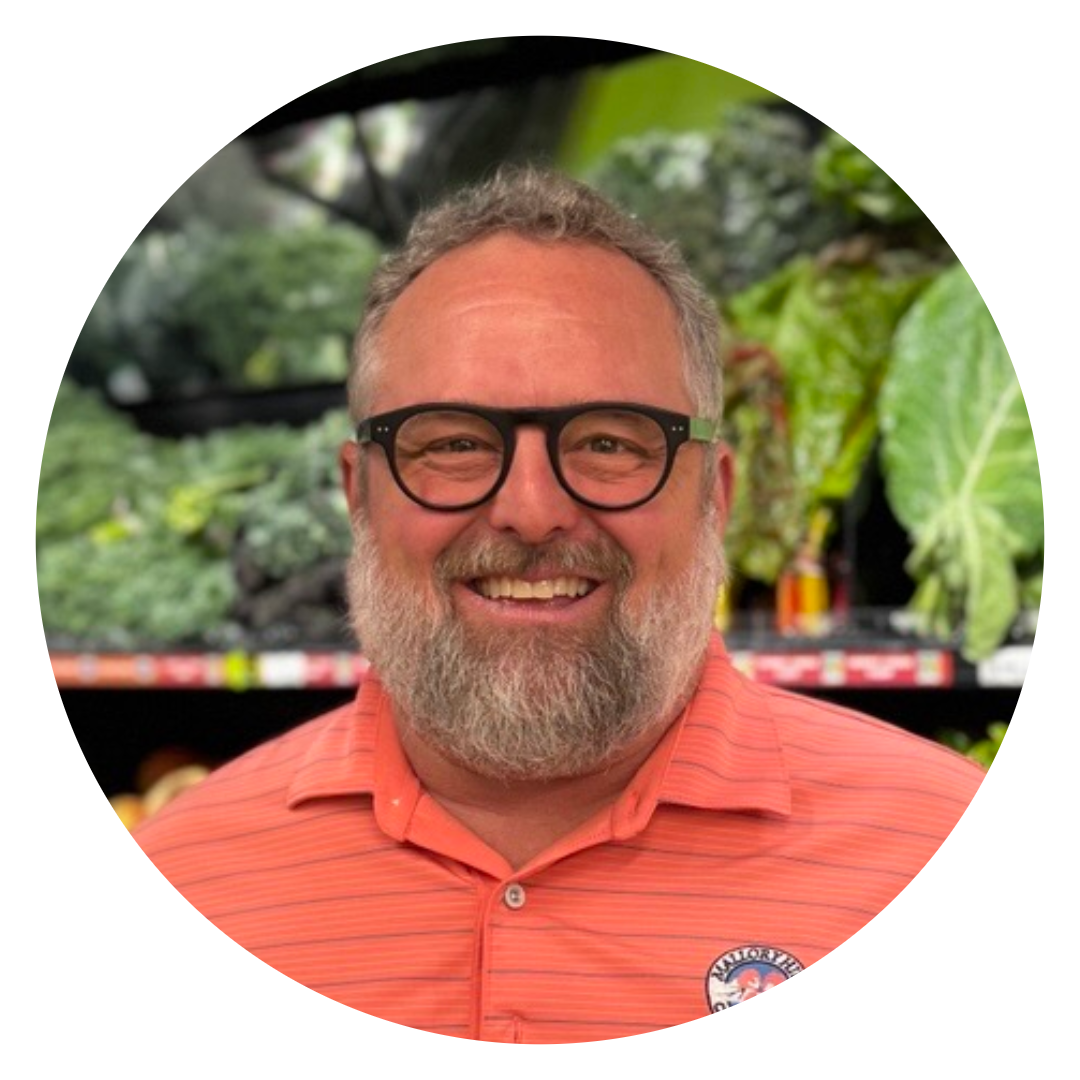
Board of Directors Candidate
Tyler Hamilton
Provide a statement of introduction.
I am an IT project manager and have served on previous Boards. I attended Northland College were I served as VP of the Alumni Board of Directors. I lived in Wylie, Texas for 20 years and was on the Board of Directors for Wylie Youth Baseball Association and the Parks and Recreation Board for the City. I missed the Northwoods and first opportunity to move back I did.
Why would you like to serve on the Board of Directors of Whole Foods Co-op?
I am a regular customer, and I feel that I will bring a hopefully new set of eyes to the Board. I want to give back to the community, and I feel that the Co-op Board is a wonderful place to do that.
Describe any volunteer or paid experiences relevant to your service as a Co-op Board member. How have you demonstrated a commitment to diversity and inclusion, and how do you see yourself demonstrating this during your WFC Board Service?
Living in a small town in Texas I was able to join the Board of Directors for the local community baseball organization. (Wylie Youth Baseball and Softball Association.) Coming from the Twin Cities for work, I was able to help coach some of the small-town ways and expand thinking. I also was on the Board of Directors for the Parks and Recreation Department for the City of Wylie. I was also on the Duluth East High School Music Boosters Board for 3 years while my son attended school there and helped start the East Band Golf Scramble which is currently in its 4th year.
What opportunities and challenges do you see in the future for Whole Foods Co-op?
Food sourcing, local and statewide, is going to be a challenge in the current economic environment. The ability to find and decipher the organic labeling, currently the USDA-accredited certifying agent has approximately 80 certification agencies to choose from each with their own standards. Then strategic planning for long term support for the Co-op. How can various local Co-ops band together for purchasing power to better position the Duluth Whole Foods Co-op for the ages? The first 55 years were good, and now we need to plan on the next 55
Anything else you’d like to add?
Thank you for taking the time to consider me as a candidate. Even if I am not selected, I will be here to help any way I can. And a fun fact, I am also the same age as the Co-op.
Board of Directors Candidate
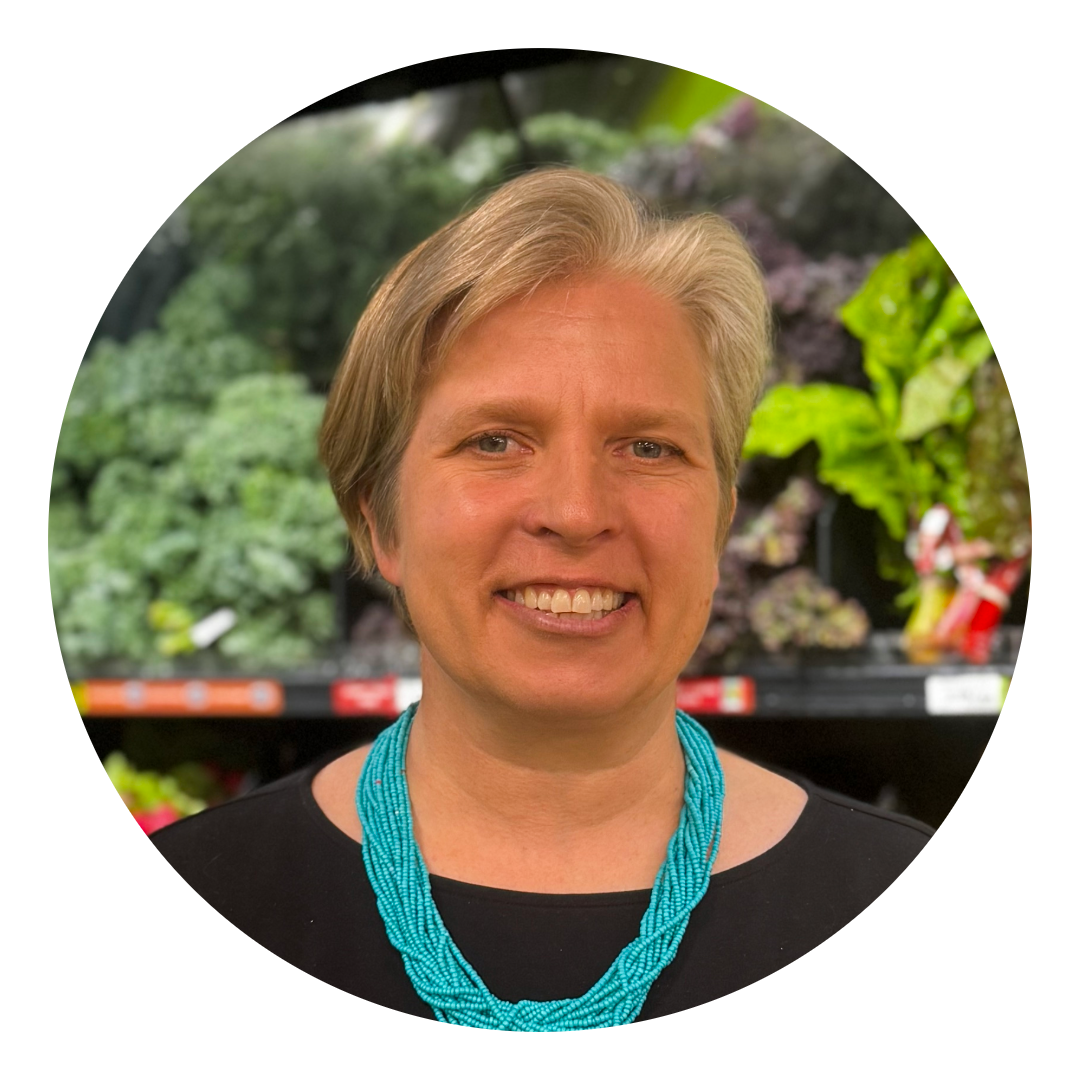
Stacey Jutila
Provide a statement of introduction.
My name is Stacey Jutila, and I grew up in the Twin Ports. After 24 years living in Washington and Illinois, my husband, daughter, and I returned to Duluth in 2018 seeking deeper connection—with people who care for the land and water that nourish us, and with others committed to shared well-being. As we settled into life here, we developed a renewed appreciation for the Co-op as a place where local food and community life intersect in meaningful ways.
I serve as the System Program Director for Nursing Holistic Care at Essentia Health, where I partner with colleagues, community partners, and patients to support whole-person well-being. Before this role, I served as a chaplain and health care leader, with over two decades supporting individuals and families through both everyday life and times of challenge. My work centers on caring for the whole person and creating environments where people can seek health, meaning, and community.
In my personal life, I enjoy exploring Duluth’s trails in all seasons, learning from beekeeping, listening to local musicians and artists, and sharing meals with family and friends. As a Co-op member, I value community ownership, local partnerships, and shared responsibility for health.
Why would you like to serve on the Board of Directors of Whole Foods Co-op?
From kind interactions at the register to partnerships with local farmers and support for nonprofit organizations, the Co-op is a place where everyday experiences reflect a larger shared purpose.
I’m inspired by how Whole Foods Co-op lives out its values—supporting local farmers, strengthening our regional food systems, and making nourishing food accessible across our community. It reflects a commitment to shared ownership and shared responsibility for collective well-being.
I first became a member-owner when the Co-op was located on East 4th Street and 13th Avenue East and remember the early vision for a new Co-op in the Central Hillside. While living in Chicago, I followed the development of the Denfeld Co-op with gratitude for the leadership that expanded food access across Duluth. As others have committed to the vitality of the Co-op, I am inspired to serve on the Board to ensure that the Co-op continues to be a partner in community health for years to come.
My nonprofit Board experience and professional background have prepared me to contribute to thoughtful, values-centered governance. I would be honored to serve a Board that builds on this strong foundation and helps guide the Co-op’s continued vitality for future generations.
Describe any volunteer or paid experiences relevant to your service as a Co-op Board member. How have you demonstrated a commitment to diversity and inclusion, and how do you see yourself demonstrating this during your WFC Board Service?
My leadership experience centers on advancing well-being for individuals and communities through healthcare leadership, nonprofit governance, ecumenical and interfaith partnerships, and community-based programming. In my current role at Essentia Health, I collaborate with interprofessional colleagues to design approaches that integrate holistic care—supporting both the well-being of healthcare teams and the experiences of patients and families.
A key aspect of my work is listening closely to cultural, spiritual, and lived experiences that shape how individuals and communities pursue health. I prioritize partnership, working with others to develop solutions that are inclusive, responsive, and sustainable.
I bring prior Board experience with organizations including Holden Village, National Pediatric Chaplains Network, Duluth Cross Country Ski Club, and the Oak Park Farmers Market Commission, where I contributed to strategic planning, financial stewardship, and mission-driven decision-making.
A core value in my work is fostering belonging by honoring diverse perspectives. I practice this through deep listening, community engagement, and supporting inclusive policies. As a Board Member, I would continue to champion equitable access and strengthen partnerships across the Co-op.
What opportunities and challenges do you see in the future for Whole Foods Co-op?
The Co-op has a meaningful opportunity to continue growing as a trusted, community-owned resource—supporting local producers, promoting sustainable practices, and bringing people together around food and health.
At the same time, there are real challenges, including affordability, climate change, changing economic conditions, and ensuring that access to healthy food reaches all neighborhoods. Navigating these thoughtfully will be important to sustaining both mission and impact.
I believe the Co-op’s strength lies in its relationships—with its members, local farmers, and the broader community. By continuing to listen, adapt, and invest in those connections, it can support long-term health and shared flourishing across our region.
Anything else you’d like to add?
Returning to Duluth eight years ago, I quickly realized that the Co-op is more than a place to shop—it is a space where connection happens in everyday moments. From conversations in the aisles to relationships with staff and local farmers, it reflects the heart of this community.
Living elsewhere helped me recognize how unique this is. Not every community has access to a cooperative like this, and I felt that absence deeply. Coming back to Duluth renewed my appreciation, especially as our family formed relationships with local growers and participated in community-centered experiences that bring learning, healthy food and joy together.
If elected, I would support the Co-op’s continued role as a place where people feel a sense of belonging and shared purpose. I’m grateful for the generations who helped build this resource and would be honored to contribute to its continued growth.
Board of Directors Candidate
Chris Lee
Incumbent
Provide a statement of introduction.
Hello! I have been a Duluthian for over 10 years originally coming from Iowa. In that time, I have started a family and settled into a home in Lincoln Park. I found Whole Foods Co-op almost as soon as I arrived in Duluth and frequently visited the Hillside store as I lived across the street for some time. Professionally, I work for the City of Duluth in the Planning and Economic Development Department and enjoy being able to serve the community in that capacity. In my free time I enjoy mountain biking, fly fishing, and photography.
Why would you like to serve on the Board of Directors of Whole Foods Co-op?
My desire to serve comes from my belief in the Cooperative model and the drive to give back to an organization that is so meaningful to me and the community. I bring knowledge and experience to the Board as an existing Board Member and have helped guide the Co-op and its leadership through uncertain times. I am excited to serve another term on the Board of Directors.
Describe any volunteer or paid experiences relevant to your service as a Co-op Board member. How have you demonstrated a commitment to diversity and inclusion, and how do you see yourself demonstrating this during your WFC Board Service?
I have had the honor to serve on the Board since 2023 where I have had the pleasure to serve on several Board committees including: recruitment, finance, and the executive committee. I also had the opportunity to serve with other owners on the Grow Local Food Fund committee and help support the farmers and producers of our region. As a Board Member while serving on the recruitment committee, I demonstrated a welcoming environment for folks interested in attending a Board meeting and including visitors at the table. I have had professional training with DEI in the workplace and continue to advocate for inclusive practices among the Board and the Co-op.
What opportunities and challenges do you see in the future for Whole Foods Co-op?
Whole Foods Co-op is uniquely positioned within the Duluth market to provide a connection for people and their food. The Co-op thrives on having a personal touch and a strong sense of community where everyone is welcome. The grocery industry is a complex environment with constant ever-changing variables. I believe that the Co-op faces two significant challenges; the first being a retailer within the natural foods market, and the other with the changes in consumer spending and increasing prices. While the latter is oftentimes beyond control of Whole Foods Co-op with many external factors at play, but the former is where the Co-op can lean into and do what it does best – connection.
Anything else you’d like to add?
Thank you to the owners, staff, and producers that make the Co-op a thriving community-oriented place. And thank you to the ownership that voted for me and trusted me to serve as a Board Member for Whole Foods Co-op.
Board of Directors Candidate
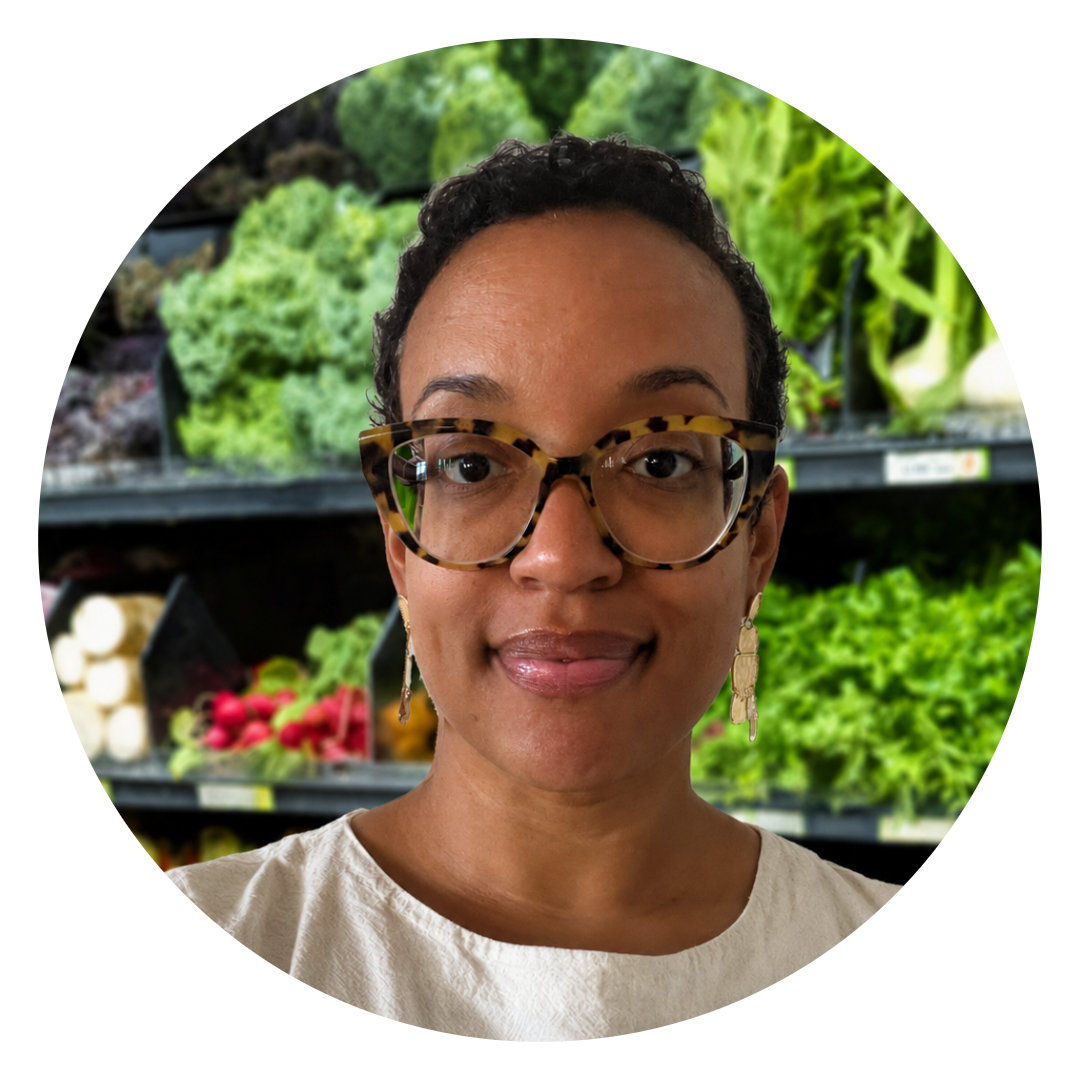
Sarah Stewart
Provide a statement of introduction.
I am Sarah Stewart and I have lived between Duluth and St. Paul most of my adult life. I grew up in St. Paul but I came to Duluth for college and moved back here a few years later to work in higher education. In my role, I work directly with college students focusing on social justice and responsible living. I live in the Lincoln Park neighborhood and have lived in Central Hillside. I am an avid reader and I love to garden and work on home projects in my spare time.
Why would you like to serve on the Board of Directors of Whole Foods Co-op?
I connect with the Co-op’s mission to be not only within but a part of the community, working with neighbors as partners. As a Lincoln Park resident, I appreciate the connections that I see between the Co-op and community members. I think that I could bring a unique perspective to this role through my work in social justice and environmental justice, as well as through my own adventures in urban gardening and sustainability.
Describe any volunteer or paid experiences relevant to your service as a Co-op Board member. How have you demonstrated a commitment to diversity and inclusion, and how do you see yourself demonstrating this during your WFC Board Service?
In college, I worked at the Central Hillside Co-op and enjoyed learning about all that the Co-op provides and does with the community. I really resonated with the practice of obtaining community feedback to inform practice. In my current job, I teach my students that social justice cannot exist without relationships. In serving on the Board, I would bring an openness to learn and an understanding of how to build and relationships with a diverse group of people.
What opportunities and challenges do you see in the future for Whole Foods Co-op?
I see opportunities for intergenerational learning and relationships within the community. As the Co-op is already an active part of the community, there is an established trust between the Co-op and neighbors. In my work, I see a lot of young people who are curious about what it would mean to live more analog and in my life outside of work, I meet people of all ages who are eager to connect and to teach what they know. I think there are also exciting opportunities for local creator representation.
Give! finalists
Animal Allies Humane Society
Funding Priority: Equity & Diversity
Community impact: For nearly 70 years, Animal Allies Humane Society (AAHS) has been providing adoption, foster, medical, volunteer, and humane education services to Northeastern Minnesota and Northwestern Wisconsin. Starting when a local schoolteacher found abandoned kittens on her doorstep, AAHS was founded in 1957 and gained nonprofit status in 1968. After sharing a facility and providing animal care for the city of Duluth, AAHS launched a successful capital campaign and moved into its own shelter in 2009, where it provides care to nearly 1,500pets per year. As AAHS continues to grow with every passing year, they now have nearly 40 employees, 18 community foster families, and nearly 175 active volunteers. Today, AAHS continues to update its programs to best support pets and people in its community, hosting 96 onsite and 38 offsite programs in 2025 alone, including summer camps, community and school visits, special events, a Youth Allies animal welfare program, and providing nearly 300 grant-funded microchips to community pets every single year.
Using GIVE! funds for: This funding would support the Angel Fund: a program meant to keep pets and people together by assisting with relatively small one-time pet-related expenses. Over 30% of yearly intake is due to owners surrendering due to financial stress, but since early 2025, it’s kept over 60 pets in their homes and out of the shelter, saving both pet and owner from unnecessary stress, while saving the shelter up to $40,000 a year. AAHS aims to help every person, regardless of financial situation.
Divine Konnections
Funding Priority: Equity & Diversity
Community impact: Divine Konnections Inc. is focused on transforming the lives of BIPOC, underserved youth, and young adults. We research and partner with other organizations that we believe work side by side with the programs we provide. Our strength is providing affordable housing and circles of support to empower families to take intentional steps to reach their full potential and, ultimately, encourage them to reach back and help others.
Using GIVE! funds for: Divine Konnections will use these funds to support the mission of supporting young BIPOC mothers as well as creating a community of care for BIPOC families in St. Louis County. Specifically, these funds will be used as financial support for rent and other basic needs for young BIPOC mothers, and to compensate presenters and contractors for groups around health and wellness in the BIPOC community.
Duluth Children’s Museum
Funding Priority: Food Access
Community impact: For 96 years, the Duluth Children’s Museum has been a trusted community resource, inspiring curiosity, creativity, and connection through hands-on, play-based learning. Located in Duluth’s Lincoln Park neighborhood, we welcome thousands of children and families each year with interactive exhibits, educational workshops, camps, and special events that support early childhood development and lifelong learning.
We believe food is a powerful way to connect children with science, culture, health, and their community. In the past year, we’ve expanded our ability to offer hands-on culinary programming by investing in child-friendly cooking equipment and integrating food experiences into museum workshops, camps, and daily programs. From exploring kitchen science and preparing simple recipes to learning about gardening, pollinators, and where food comes from, children build confidence, curiosity, and healthy habits through joyful, hands-on experiences.
Through our Discovery for All initiative, we ensure that financial barriers never prevent children from experiencing these opportunities by providing free and reduced-cost access to the museum for families who need it most.
GIVE! funding will help us continue creating meaningful, hands-on learning experiences that inspire curiosity, strengthen family connections, and help children develop the skills they need to thrive.
Using GIVE! funds for: GIVE! funds will support food-focused programs, like gardening, pollinator education, and nutrition exploration, and expand access for low-income families through subsidized memberships and community events. These hands-on experiences nurture curiosity, teach children where food comes from, and create inclusive spaces for early learners to grow, play, and connect.
Duluth Community School Collaborative
Funding Priority: Food Access
Community impact: Duluth Community School Collaborative (DCSC) knows that every child deserves the opportunity to thrive. We partner with Duluth Public Schools in Denfeld, Lincoln Park and Myers-Wilkins to connect both students and families to resources and opportunities to help them succeed both in and out of the school building. By following the Full Service Community School Model we are able to provide enrichment opportunities, cultural events, academic support as well as focus on health and wellness. One of our largest programs is our Out of School Time clubs. We host them across all three sites and have clubs such as Baaga’adowewin (traditional lacross), healthy cooking, personal finance, along with a plethora of others, using student voice to help decide new opportunities. We also reach beyond the school building providing no cost pantries for students and families which were incredibly important during the recent pausing of SNAP benefits. These additional supports help improve academic outcomes and also connect students to local partners and experiences they otherwise might have not had access to. Our goal is to help students and families flourish by creating well connected schools and communities.
Using GIVE! funds for: GIVE! funding will be able to help us sustain our existing school pantries and food access initiatives. As we have seen public funding for programs shift over the past year this flexible community support will allow us at DCSC to meet the current moment and respond quickly to new needs. Ensuring that our students and families can continue to rely on DCSC for critical resources and support.
Duluth Early Childhood Family Education (ECFE)
isd709.org/academics/early-childhood/ecfe
Funding Priority: Food Access
Community impact: For over 50 years, Duluth Early Childhood Family Education (ECFE) has served thousands upon thousands of families with young children. ECFE is a program for ALL families, offers a sliding fee scale and will not turn away families due to inability to pay. Much of what is offered is completely free, and is often offered in partnership with other local agencies and nonprofits who also serve young families. The two-generation model of ECFE aims to not only support parents and caregivers as their child’s first teachers but also offer structured and shared support in children’s learning and development. We work to reduce barriers to participation by offering home visits, classes and activities in schools and neighborhoods all across the city. If transportation is a barrier, we offer taxi/Lyft services when available. In addition, we offer resource navigation, childcareprovider mentorship, Circle of Security Parenting (for all, plus a dad-specific group), Empowering Young/Teen Parents, LGBTQ+ Parenting, hospital visits for families of newborns, class at NERCC with incarcerated fathers and so much more. Parenting can be very overwhelming and isolating, in ECFE we create a community for families during a very important time in their lives to learn and thrive together.
Using GIVE! funds for: We want to ensure teen parents and their children are fed while at class! In our third year of offering Empowering Young Parents, we are expanding to two locations. Our first location continues to be provided in partnership with Duluth Children’s Museum, who has secured grant funding for meals. Our new session will be offered at Duluth Central Education Services & Ethel Ray Nance Welcome Center (formerly Duluth News Tribune building), with partners Area Learning Center and Duluth Adult Education.
Friends of the Lake Superior National Estuarine Research Reserve
Funding Priority: Environmental Stewardship
Community impact: Founded in 2017, The Friends of the Lake Superior Reserve (FOLSR) inspires people to become closer to the waters and wild places of the St. Louis River Estuary. FOLSR envisions a clean, healthy St. Louis River Estuary that you, other community members, visitors and local businesses can enjoy. A volunteer-led nonprofit, FOLSR supports the work of the Lake Superior National Estuarine Research Reserve through volunteerism, public engagement and advocacy. The Reserve works with communities and others to improve the understanding of the watershed and Lake Superior’s coast and estuaries by integrating research, education, outreach and stewardship.
FOLSR’s achievements include:
Leading about nine volunteer events such as beach clean-ups and invasive species removals per year; Raising funds to help teachers bring estuary science and learning into their classrooms; Organizing volunteers to staff the Lake Superior Estuarium (a museum about the estuary) and Reserve events like Lake Superior Day; Co-hosting over 200 community members at Everyone Can Bird events, accessible bird-watching opportunities for all ages and abilities; Connecting people to estuary science and educational opportunities through a regular newsletter, social media and public relations; In the last two years, 94 FOLSR volunteers have contributed almost 450 hours, including cleaning up 360 pounds of trash from Wisconsin Point; Advocating for the continued funding and work of the Reserve during challenging times.
Using GIVE! funds for: GIVE! funds would go directly toward the $20,400 AmeriCorps volunteer stipend. Since 2023, early-career AmeriCorps volunteers have galvanized FOLSR’s ability to organize events, publish regular newsletters, and support Lake Superior Reserve research and outreach. AmeriCorps members have allowed FOLSR to increase the number of public events they host and achieve greater attendance at these events. As a fully volunteer-led nonprofit, an AmeriCorps volunteer has immensely increased FOLSR’s impact.
Great Lakes Aquarium
Funding Priority: Environmental Stewardship
Community impact: Great Lakes Aquarium believes meaningful connections lead to meaningful action. Each year, we welcome more than 237,500 visitors from across the region, creating opportunities for people of all ages to discover the incredible ecosystems of the Great Lakes and the waters that sustain our communities.
As a nonprofit organization, we care deeply about the community we serve. Our mission extends beyond our walls through school programs, conservation partnerships, and hands-on experiences that inspire curiosity, environmental stewardship, and lifelong learning. Whether we’re helping restore native species like lake sturgeon, connecting children with freshwater science, or creating memorable family experiences, our goal is to foster a healthier future for both people and the environment.
We also believe that everyone deserves the opportunity to experience the Aquarium, regardless of financial circumstances. Through discounted admission programs, community partnerships (Check us out at the library!), and ticket donations, we are committed to ensuring that cost is never a barrier to connecting with nature.
When you support Great Lakes Aquarium, you’re investing in a community resource that educates, inspires, and brings people together. Your support helps make freshwater conservation, accessible education, and meaningful experiences available to thousands of local families and visitors every year.
Using GIVE! funds for: In collaboration with Tribal, State, and Federal partners, Great Lakes Aquarium will create a lake sturgeon rearing program and accompanying new public-facing exhibit to support critical stocking efforts. Focused on restoring lake sturgeon populations in their natal waters of the St. Louis River, the project blends science, history, and storytelling to engage the public, inspire stewardship, and honor indigenous cultural connections.
Lake Superior Zoo
Funding Priority: Environmental Stewardship
Community impact: The Lake Superior Zoo is more than a place to see animals—it’s a community resource that inspires curiosity, compassion, and conservation. As northeastern Minnesota’s only accredited zoo, we provide meaningful experiences that connect people of all ages with wildlife while fostering a deeper understanding of our shared responsibility to protect the natural world.
Each year, thousands of children, families, schools, and community groups visit the zoo to learn through hands-on education, animal encounters, and immersive experiences. Our programs help spark a lifelong appreciation for nature, encourage environmental stewardship, and make conservation accessible to everyone. We also provide opportunities for volunteerism, internships, and partnerships that strengthen our community and support future conservation leaders.
Beyond education, the zoo serves as a welcoming gathering place where families create lasting memories, visitors experience the healing power of nature, and people from all backgrounds can connect with wildlife close to home.
By supporting the Lake Superior Zoo, Whole Foods Co-op shoppers are investing in environmental education, wildlife conservation, and a healthier, more connected community. Together, we are helping ensure future generations have the knowledge, inspiration, and opportunity to care for the animals and ecosystems we all depend on.
Using GIVE! funds for: Grant funding would directly support the Lake Superior Zoo’s conservation education programs, helping provide engaging, hands-on learning experiences for children and families while expanding access for underserved communities. Funding would also enhance animal care and create educational opportunities that inspire environmental stewardship and empower visitors to take meaningful conservation action in their own communities.
Lincoln Park Children and Families Collaborative
Funding Priority: Food Access
Community impact: Lincoln Park Children and Families Collaborative (LPCFC) helps up to 1000 families a year access food, hygiene, and other resources in the community. We are a Family Resource Center with programming that includes a licensed family childcare, supervised visitation services, youth education and prevention, community events, gardening, and access to free food, hygiene products, children’s books, and household items.
We have a Family Advisory Board (FAB) that helps guide our work. Our FAB is made up of 12 community members that primarily live in the Lincoln Park neighborhood. Our FAB runs our monthly Grocery Give Away event, which is a free pop-up market that we host in our Cafeteria. We partner with Second Harvest Northland to get the food.
From January-June of 2026, we helped 248 families access food at our space. Of those families, 108 of them have children. During this timeframe, families shopped for food at our space 1,727 times, with many families returning each month. We also have a free hygiene closet that was visited 162 times this year through June by 120 people, with some folks visiting more than once.
We funded and built the community gardens at Harrison Park in 2016 and are remain stewards of several demonstrations gardens there, including an Anishinaabe medicine garden, cedar grove, and pollinator garden. We also planted a 12 fruit tree orchard at Harrison Park in 2020 and remain the stewards of the orchard as well.
Using GIVE! funds for: We would use the GIVE! funding to support our Family Advisory Committee and their work with the Grocery Give Away event, as well as our free hygiene closet. We currently order free food off the Second Harvest Northland order form to give away. If we had additional funding, we could also purchase some food off the order form, which would allow for more healthy food options at the Grocery Give Away events. We would also use some of the funding to purchase items for our free hygiene closet.
Make-A-Wish Foundation of Minnesota
Funding Priority: Equity & Diversity
Community impact: Make-A-Wish Minnesota creates life-changing wishes for children living with critical illnesses. Since 1982, we have granted more than 7,000 wishes across the state, including more than 10 wishes in the Duluth area last year. Today, nearly 10 additional children in the greater Duluth region are waiting for their transformational wish.
Children facing critical illness often experience anxiety, isolation, trauma, and disruption to normal childhood experiences. While healthcare systems focus on treating physical illness, Make-A-Wish uniquely addresses the emotional and psychological impact of pediatric critical illness through research-informed wish experiences that help children build hope, resilience, and emotional strength.
A wish is much more than a moment of joy. Research shows wishes reduce feelings of isolation, improve well-being and bring families closer together. They also create a powerful ripple effect throughout the community, inspiring generosity and reminding children and families that they are supported and not alone.
Make-A-Wish Minnesota is committed to ensuring every eligible child can experience the power of a wish, regardless of race, language, income, geography or cultural background. By working closely with local hospitals, volunteers and community partners, we strive to remove barriers and reach children who might otherwise be overlooked.
Using GIVE! funds for: GIVE! funding will directly help grant life-changing wishes for children living with critical illnesses in the greater Duluth area. Funding will support wish experiences at no cost to families and help expand outreach efforts so more eligible children can access this critical emotional support service. Most importantly, this partnership will help ensure local children facing critical illness feel seen, valued, and embraced by the community around them.
Northern Expressions Arts Collective
Funding Priority: Equity & Diversity
Community impact: We believe that strong families make strong communities, and those communities are made even stronger when families get to know each other. Our vision is to support families of all shapes and sizes and connect them with other families within our diverse community through play, using the arts – visual, culinary, and expressive – as our primary medium. We stand out among other similar organizations through our commitment to provide quality, family forward programming to all, regardless of ability or learning level. Our definition of “family forward” is that every member of the family can find something of value in our programming, from the youngest to the oldest. We provide an outlet for families with both neurodiverse and neurotypical children to play and learn together, and where parents can support each other and share resources while having fun in a relaxed, judgment-free atmosphere.
Using GIVE! funds for: GIVE funding will be used to fund our weekly family programming by helping us to purchase art supplies, cooking materials, and other needed items as we move into our 15th year of providing this free program to the families of Duluth that began with our involvement with Fair Food Access in 2011 that was the catalyst for Creativity in the Kitchen, our nutrition education/culinary arts arm of programming, and was the springboard for continued collaborations with the agencies that were involved.
Northwood Children Services Valley Youth Center
Funding Priority: Food Access
Community impact: The Valley Youth Center is a place where kids come to learn life skills through recreational activities. We believe that kids need play to grow and succeed. We also believe a child’s ability to play should not come from their ability to pay. Every kid deserves to have a chance to play without having to shell out large sums of money. The Valley Youth Center covers the costs of the activities, supplies, equipment, transportation, and caring adults to make all our kids journey into adulthood full of play and joy. If every child had enough play and joy experiences in their lives, we would see significantly less negative mental health problems with their behavior, with their attendance at school, and with their achievement. A child at play learns how life works through enjoyment and positive relationships verses a child that has life dropped on them without the play lens and guidance. Therefore, the Valley Youth Center puts forth our best effort to make sure all our kids experience happiness and joy through play.
Using GIVE! funds for: We serve food to our kids daily. During the school year, we serve food in the after school and evening times to augment the schools’ breakfast and lunch programs so our kids can be sure to get at least 4 meals per day. In the summer and on days when school is off, we offer lunch and early dinner. If we were to receive GIVE! funding, we would put the money towards our snack and meal programs.
One Roof Community Housing
Funding Priority: Equity & Diversity
Community impact: One Roof works to ensure people across our community have access to safe, stable, and affordable homes. We provide multifamily housing development, affordable Community Land Trust (CLT) homes, homebuyer education and counseling, affordable lending, and tenant–landlord services that help individuals and families build long-term stability.
Housing pressures continue to grow. Rents are outpacing incomes, older homes need significant repairs families struggle to afford, and homeownership is increasingly out of reach many.
We serve neighbors navigating these realities every day: first-time homebuyers, renters working to avoid eviction, seniors aging in place, and families rebuilding after housing instability. Many face barriers tied to income, credit, or a lack of generational wealth.
When families and individuals have safe and stable homes that don’t stretch them financially, they are better able to care for their families, maintain employment, attend school, and plan for the future. One Roof helps make that stability possible for more people across our community.
Using GIVE! funds for: GIVE! funding will support One Roof’s overall operations, strengthening our ability to provide homebuyer education and counseling, affordable lending, single- and multifamily housing development, and eviction prevention services that help our neighbors secure and maintain safe, stable, and affordable homes.
Pawsitive Future
Funding Priority: Equity & Diversity
Community impact: Our organization receives daily requests from community members who love their pets but face economic challenges caring for them. With your help, we can ensure these pets remain healthy and with their families. Our work impacts owners in multiple ways: by providing food, supplies, and veterinary care, we ensure families never have to choose between feeding themselves or their pets. Our services offer a safety net for owners transitioning between jobs, and help those living in housing with strict pet vaccination requirements keep both their animals and their homes.
Pawsitive Future addresses a critical gap as the only local organization dedicated entirely to keeping pets with their families. By collaborating with community partners, we efficiently meet this unmet need while supporting other organizations committed to animal welfare and owner well-being.
Using GIVE! funds for: The funds will be used to purchase pet supplies – such as food, litter, crates, collars, leashes, and preventatives as well as to cover veterinary services, including vaccinations, preventive care, and spay/neuter surgeries. All these resources are provided through our community partners at a discounted rate to the organization, and at no cost to the pet owners. Providing these services for low-income families helps them keep their pets where they belong: at home.
Project Joy
Funding Priority: Food Access
Community impact: Project Joy began in 2012 in memory of Patrick Plys, a Duluth businessman, local curler, and philanthropist, who was involved in many projects for those in need. After suffering a stroke during surgery to attempt to remove his brain tumor, no longer able to speak, Patrick wrote on a white board, “I Choose Joy” when asked what he’d do with the remainder of his life. Patrick’s wife, Laura, along with family and friends decided the best way to honor his loss was to help local children impacted by food scarcity in their homes.
Since inception in 2012, Project Joy developed a backpack program, partnered with the Duluth Police School Resource Officers, Kid’s Kitchen at Damiano, Chum, St. Louis County Sheriff’s Dept., The Salvation Army, the Duluth Community Schools Collaboration, and the YMCA to provide food to children in need through monetary donations. Project Joy also works with a multitude of individual schools to set up healthy snack pantries.
In addition to continuing to work with these groups, Project Joy in it its third year of collaborating with Union Gospel Mission and United Way of Carlton County on a much bigger endeavor to provide weekend bags of food during the summer months. Children often have support during the week with various summer programs, but weekends often can be without resources for kids in need.
Using GIVE! funds for: GIVE! funding will be used solely to purchase food items to ensure as many bags as needed each week can be packed, all by the volunteers. Each week, approximately 700 bags are packed with each bag’s contents costing around $11. This comes to $7,700. Multiplied by 12 weeks in a summer, that total needed to purchase food is $92,400. We rely solely on donations, fundraising events, and community grants such as the GIVE! funding to ensure no child is experiencing food insecurity.
Prove Gallery
Funding Priority: Equity & Diversity
Community impact: Prove Gallery is a nonprofit contemporary art space operated by a volunteer group of artists. We are a multidisciplinary arts space and host not only visual art exhibitions, but musical performances, performance art, poetry and spoken word events, art markets, and an annual film festival. We exist to provide a professional art environment to both emerging and professional artists (and even makers who may not consider themselves “artists”) in order to support our Twin Ports community arts scene. We feel it is important to support artists of all skill levels and experience, so that a wide spectrum of artistic makers can gain experience in their craft and share their visions. We also seek to specifically reach out to artists who have been traditionally marginalized. We often host exhibitions and performances that seek to amplify a diverse range of voices and perspectives. Our exhibitionary content often includes shows and performances that invite the public to consider the role that gender and sexual identities, race, ethnicity, age, etc. play in our current society. We strive to create an inclusive space where people can see themselves reflected in what we do.
Our objectives are to spark important dialogue amongst our visitors and to bring them together to build community among our audience members, who not only participate in a shared aesthetic and thoughtful experience but also find pathways for individual expression and interpretations.
Using GIVE! funds for: We will use this funding to support a zine project we are planning to highlight new artists’ work in the region and provide exposure to a new generation of makers. Emerging artists’ works will be paired with more professional artists in a complementary way, so that readers can make connections between works that are highlighted. This small, self-published zine will be designed in-house and, after printing, be distributed around town for free to reach an audience beyond a gallery-going public.
Recovery Alliance Duluth
Funding Priority: Equity & Diversity
Community impact: Recovery Alliance Duluth (RAD) believes recovery is possible for everyone, and that no one should have to walk the journey alone. We build community by connecting people impacted by substance use with peer support, recovery education, advocacy, and practical resources that remove barriers to healing.
Our team is made up of people with lived experience in recovery who meet individuals with compassion, dignity, and hope. Whether someone needs a safe person to talk to, help navigating systems, transportation support, recovery wellness activities, hygiene supplies, or support rebuilding their life, we walk alongside them every step of the way.
Recovery doesn’t just change one life—it strengthens families, workplaces, neighborhoods, and our entire community. Every connection made, every barrier removed, and every person who discovers they are worthy of recovery creates a ripple effect that benefits us all.
By supporting Recovery Alliance Duluth through the Whole Foods Co-op GIVE! program, you’re helping create a Northland where recovery is visible, celebrated, and accessible to everyone. Together, we can replace stigma with understanding, isolation with connection, and hopelessness with possibility.
Using GIVE! funds for: GIVE! funding will help Recovery Alliance Duluth provide barrier-reducing support that keeps people connected to recovery. Funds may be used for free community recovery events, transportation, hygiene supplies, recovery wellness activities, emergency basic needs, and peer support services—ensuring more people have access to hope, connection, and lasting recovery.
Tamarack Water Alliance
Funding Priority: Environmental Stewardship
Community impact: Tamarack Water Alliance protects clean water in Northeastern Minnesota for health, recreational enjoyment, and support of Indigenous environmental stewardship, safeguarding wild rice waters, and fish.
Using GIVE! funds for: Outreach through community Zoom calls, media articles, public comment drives, public presentations and festival/fair tabling events and parades.
Twin Ports Roots Market
facebook.com/p/Twin-Ports-Roots-Market-61572036372699/
Funding Priority: Food Access
Community impact: Twin Ports Roots Market (TPRM) carries the torch of a long-loved neighborhood of a farmers market at Harrison Park in the Lincoln Park neighborhood. The Lincoln Park neighborhood has long been identified as one of the communities in Duluth with the worst health outcomes for residents and a challenging environment to find healthy food. A market in the heart of the LP neighborhood is vital to food access and community connections, and radical access and community is key to our mission; at the market people who use EBT can double their money through the marketbucks program, anyone under 18 or over 60 can get $4 each time they visit to spend on fruits and vegetables, and we feature regular tastings, cooking demos, and community meals. Weekly June-October and twice monthly all winter, the park transforms into a hub that supports food access and connection. As the only local farmers market that operates consistently November-April, the market continues to support farmers and make thousands of dollars in free local food available to residents year-round through the EBT-matching and PoP programs.
Using GIVE! funds for: TPRM will use GIVE! funding to support the Power of Produce program; $4 given directly to anyone 60+ or under 18 to spend on fruits and veggies at the market in Lincoln Park. Market staff distribute $4 tokens, visitors spend them with farmers, and farmers are reimbursed within two weeks for any tokens received. PoP is vital to our vision of radical hospitality and food for all; many people come to the market knowing even with $0 in their pocket they can participate and get some good food.
Vita Nova
Funding Priority: Equity & Diversity
Community impact: Vita Nova’s work impacts the housing ecosystem for one of the most difficult to house populations. It is legal to discriminate against people with criminal backgrounds, and as a result there is very limited housing for these individuals, leading to recidivism, homelessness, drug overdose, and other challenges. Vita Nova interrupts this cycle, not only improving the lives of those they serve, but also their children and other family members.
Additionally, according to the National Institute of Health, a small share of the population is responsible for most violent crimes (https://pmc.ncbi.nlm.nih.gov/articles/PMC3969807/). Many of our residents have committed violent crimes and are considered high risk when they are released. Providing housing to this population prevents crime in our community in addition to preventing homelessness, drug overdose, and more for the individuals served and their families. We mean it when we say that we provide dignified housing. We believe that by nurturing an environment of mutual respect, accountability, and support, we can assist high-risk individuals to transition into community after incarceration.
Using GIVE! funds for: Funds will be used to support transitional housing for men with felony backgrounds at Phillip’s House, which accepts individuals as they are released from incarceration. They work to obtain employment and meet life goals and can stay for up to two years, though most transition much sooner. We have operated this facility for three years, serving a total of 17 residents. Only one has committed a new crime while working with our program. Funds will be used for utilities, food, and other expenses.
Western Lake Superior Habitat For Humanity
Funding Priority: Equity & Diversity
Community impact: Western Lake Superior Habitat for Humanity(WLSHFH) is the only local nonprofit that builds affordable homes by leveraging volunteer labor and innovative modular building techniques to keep costs low. Currently, we are building a home for a single mother with 9 children, who otherwise could not afford homeownership. We are eager to expand our impact through a large-scale multi-unit development to empower more families financially through the stability provided by homeownership. Additionally, WLSHFH operates an age-in-place repair program that provides free modification/repairs to seniors’ homes to improve their livability. This work is done at no cost to recipients.
WLSHFH serves families who earn between 20-80% of the annual median Income for individuals in our area. Additionally, we require that they have either lived or worked within our service area for one year and contribute sweat equity by volunteering the work on their own home and future Habitat projects. The houses we sell are sold using 0% interest mortgages, which are very affordable. Of the 21 mortgages WLSHFH holds, only 2 have payments over $1,000/month. The proceeds from these mortgages, combined with individual donations, corporate contributions, and grant awards, make up WLSHFH’s funding sources.
By strengthening its volunteer network and capabilities, and continuing to focus on community-oriented housing developments, WLSHFH intends to make a significant dent in the region’s housing crisis.
Using GIVE! funds for: GIVE! funding donated to WLSHFH would be spent on equipment, building materials, and volunteer-related costs for the construction of affordable single-family homes. By using volunteer labor and innovative modular building techniques, we can significantly lower labor, administrative, planning, and contractor costs. The funds will support the development of an entire new neighborhood of affordable single-family starter homes, with the goal of limiting the shortage of affordable homes in Duluth.
YWCA Duluth
Funding Priority: Equity & Diversity
Community impact: YWCA Duluth has been serving the Duluth-Superior community for over 133 years by showing up for those who need it most. While our programming transforms throughout the years to meet the needs of the moment, we are guided by a constant mission to Eliminate Racism and Empower Women. Today, we impact immigrant and refugee families as we help them get back on their feet through our New Neighbors Program; we impact parents, employers and the overall strength of our local economy through our organization and advocacy for quality, affordable childcare; we impact women and LGBTQ+ communities as we work towards gender equity through collaborative partnerships, legislative advocacy and community outreach; and we impact the lives of young women and gender expansive people as we provide paid, career-building internships and connections to esteemed mentors.
Using GIVE! funds for: Operation Metro Surge began in the Twin Cities in December 2025 but its effects still haven’t ended in the Northland today. Families and individuals are facing financial hardships due to unlawful detainments and lost employment opportunities. We will use the funding for the New Neighbors program to create a community of care for immigrant and refugee families.