


Shalomba Farm: Building a Sustainable Future, One Pivot at a Time
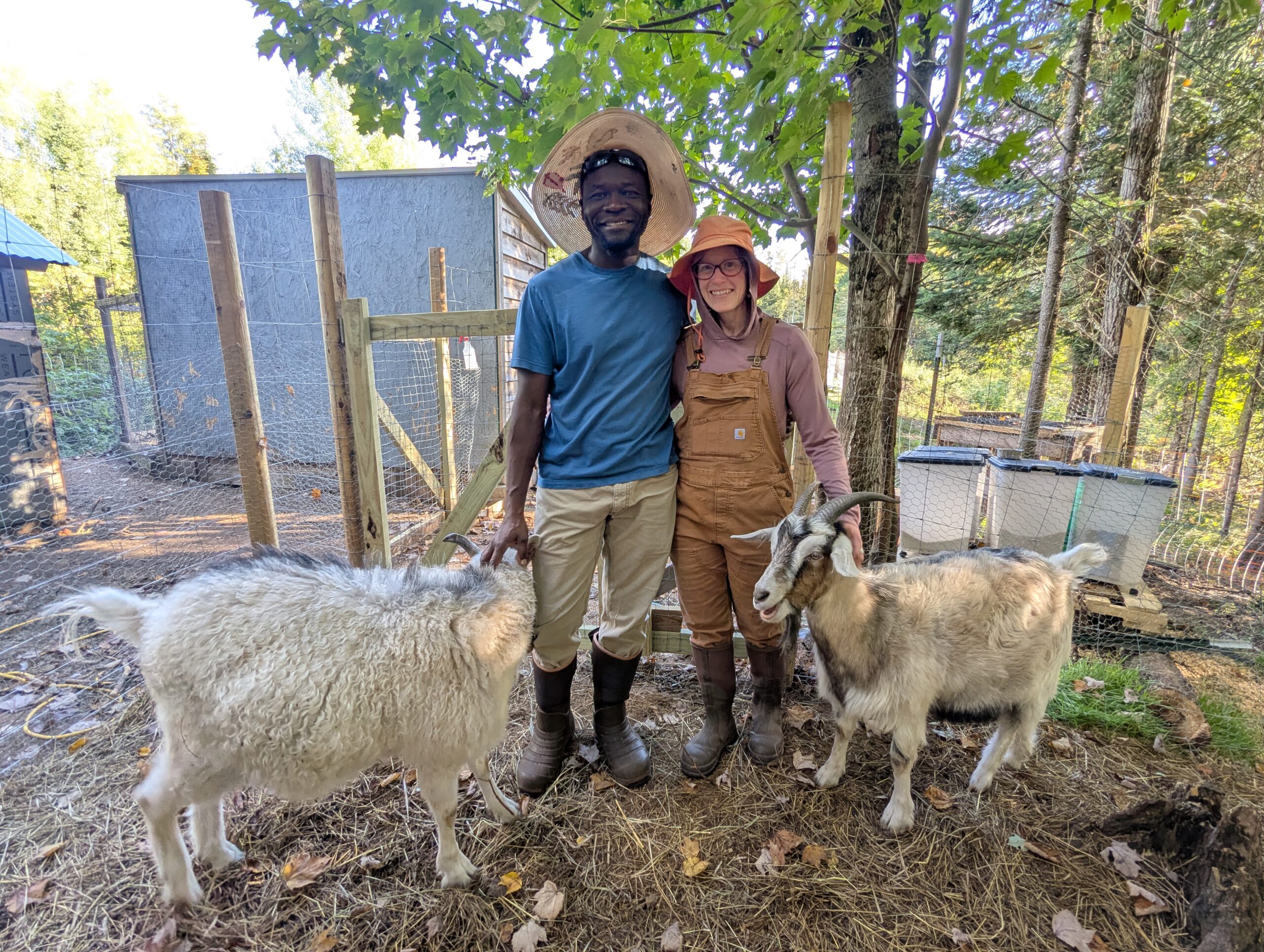
At Shalomba Farm, located in Lake Nebagamon, WI, Singo and Emily are crafting a vision of agriculture that’s rooted in sustainability, resilience, and community. Their journey hasn’t been easy, but it’s been deeply intentional.
When they purchased their land in 2022, they were drawn to its peaceful beauty and untouched potential. “It hadn’t been farmed before,” Singo explained. “It felt rich with pollinators and wildlife.” That connection to the land sparked a dream: to build a regenerative farm that could serve both their family and the broader community.
Their plans included drilling an important well to provide water for a high tunnel (picture a tall greenhouse with a rounded canvas top), orchard, and future farm store. But as often happens in farming, unexpected challenges arose. County regulations, equipment access issues, and zoning requirements forced them to pivot—fast. The couple must now focus on improving a trail to accommodate the machinery necessary to drill their much-needed well.
Despite the hurdles, Singo and Emily have remained flexible and forward-thinking. “It’s just like nature,” Emily said. “You never know what weather you’re going to get. You plan, and then you pivot.”
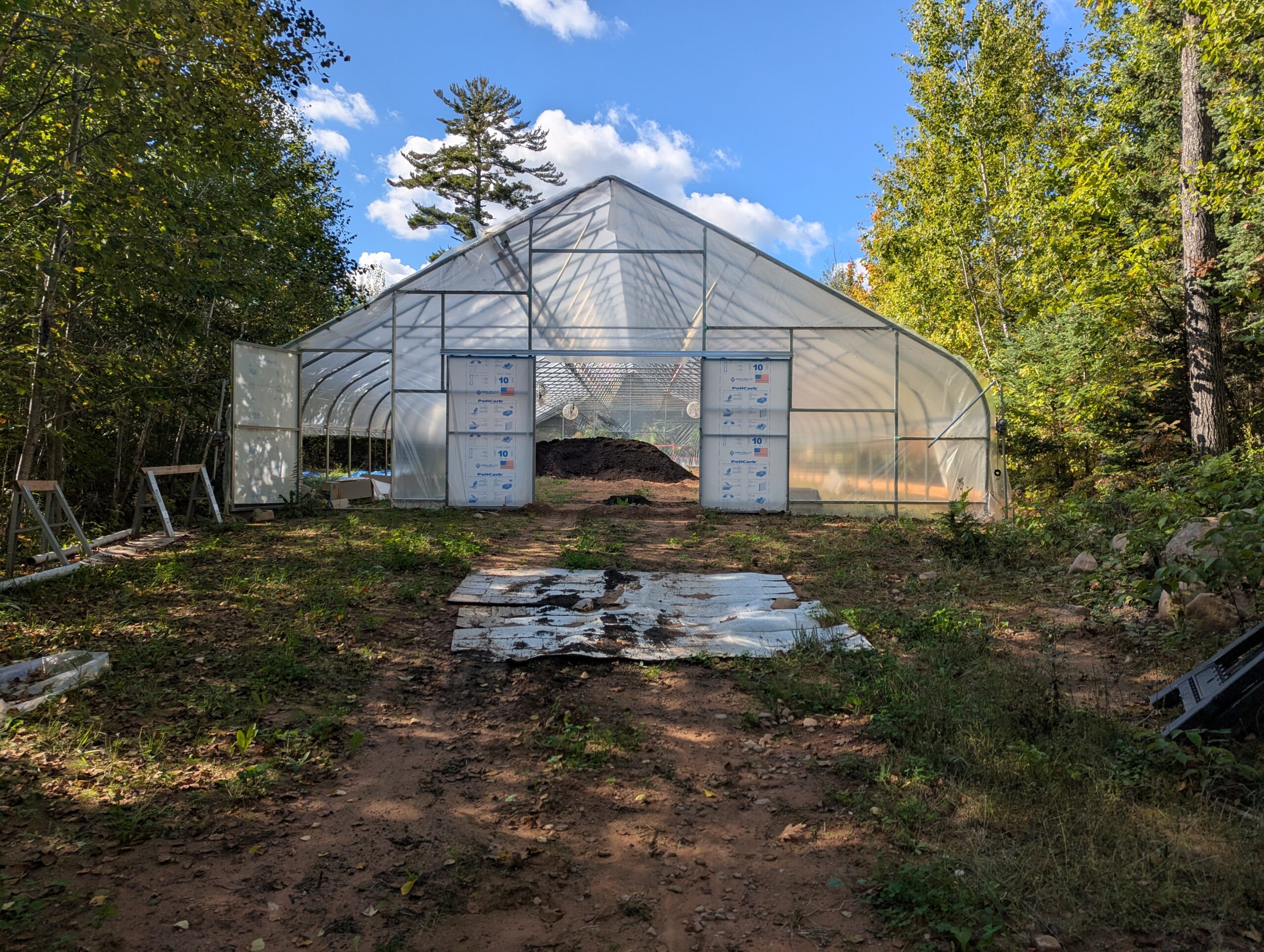
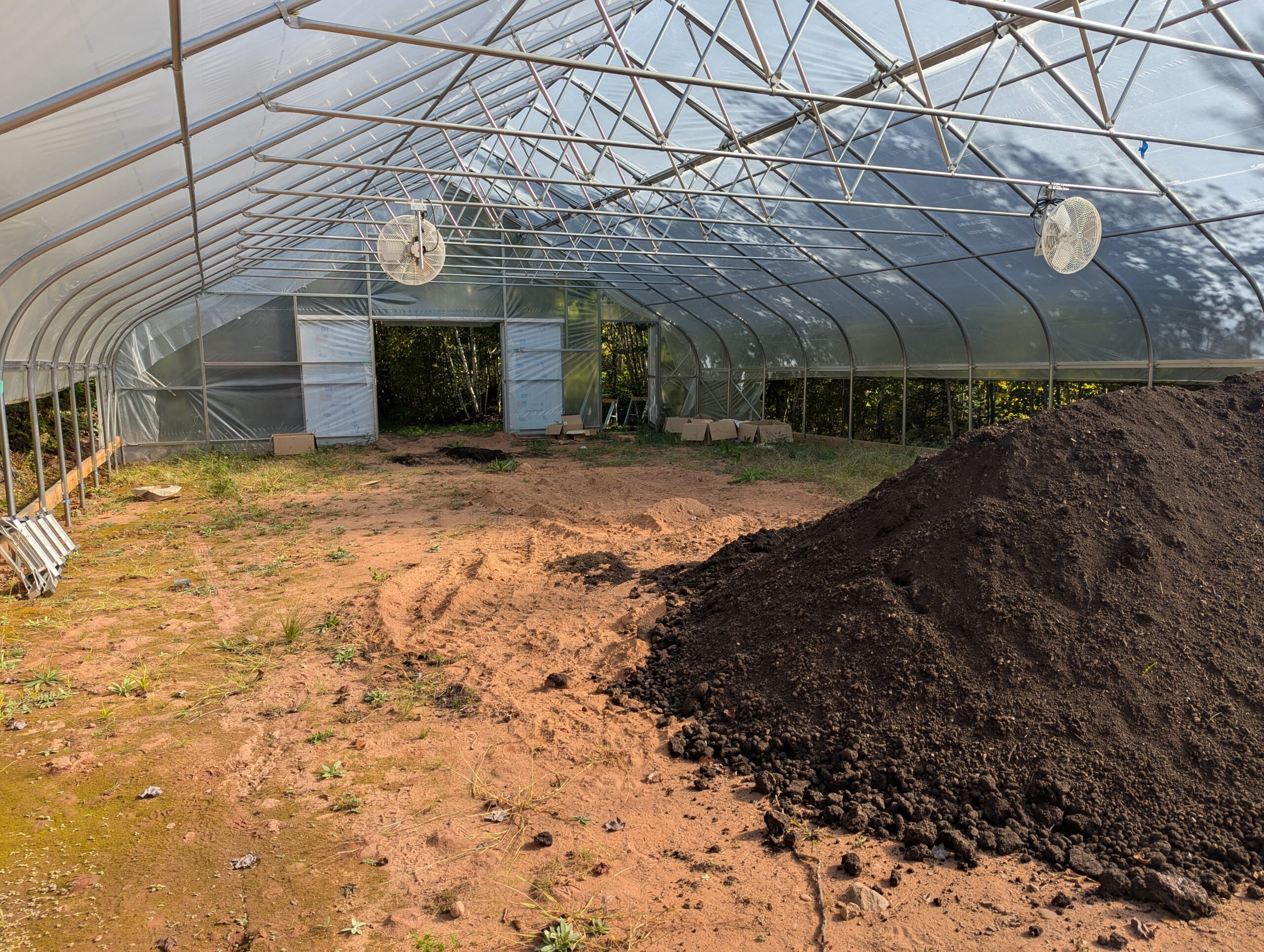
Thanks to the Grow Local Food Fund, they’ve been able to set aside funding for the well project, which remains a cornerstone of their long-term sustainability goals. In the meantime, they’ve fast-tracked other initiatives, including a rainwater collection system and expanded pollinator gardens. Their high tunnel, hauled in by hand and built with the help from friends and neighbors, will soon be producing okra, tomatoes, sweet potatoes, and greens. They’re experimenting with crops that aren’t typically grown in the region and working with local food pantries to supply fresh produce for food programs and help address food insecurity in the local community.
Shalomba Farm is also home to a growing menagerie: chickens, ducks, goats, and honeybees. Each animal plays a role in their regenerative system, whether it is chicken eggs for Emily’s gluten-free bakery (available at Superior and Duluth Farmer’s Markets as well as their website!), goats managing brush, ducks controlling pests in the orchard, or bees supporting pollination.
Their vision extends beyond their own farm. Singo and Emily hope to one day offer space for other aspiring farmers, especially women and people of color, to experiment and grow. “We want to build a model that others can follow,” Singosaid. “Something sustainable, something community-driven.”
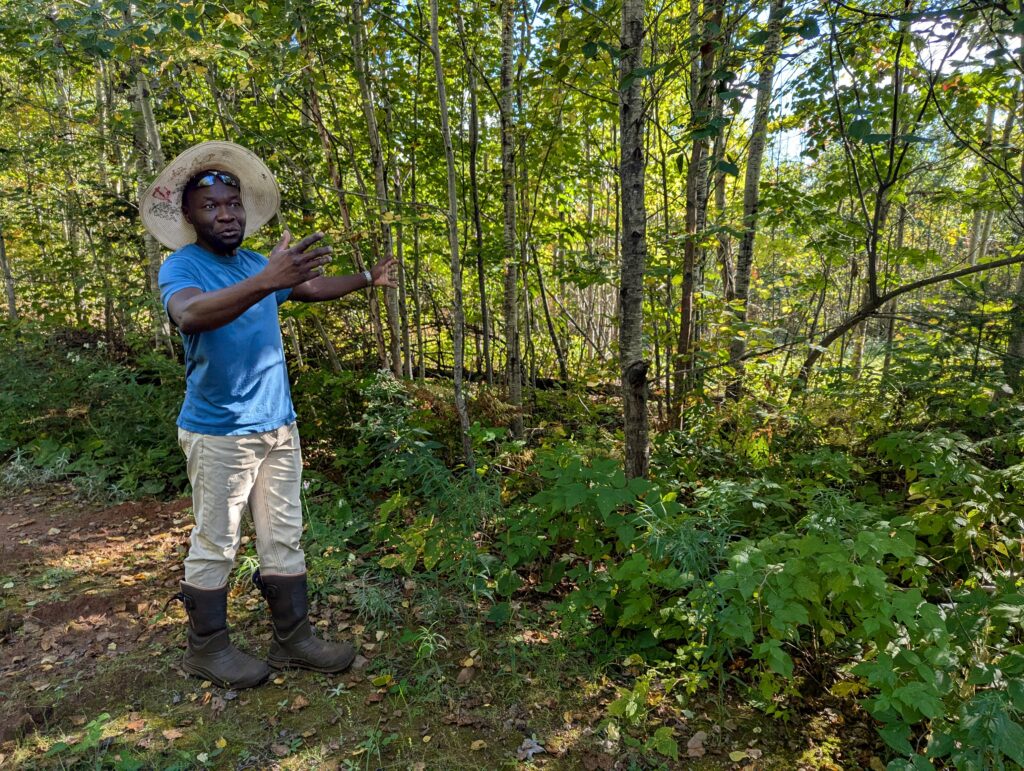
With every pivot, Shalomba Farm is proving that resilience and creativity are just as important as soil and sunlight. And with support from the Grow Local Food Fund and their neighbors, they’re growing more than food—they’re growing a future.
When you round up for GIVE!, a portion of your donation goes to support the Grow Local Food Fund, and our regional farms and food producers, like Shalomba Farms. Thank you for rounding up!
Learn more about Shalomba Farm at https://shalomba.farm/ and follow them at https://www.facebook.com/shalombafarm and https://www.instagram.com/shalombafarm/.
One thought on “Shalomba Farm”