
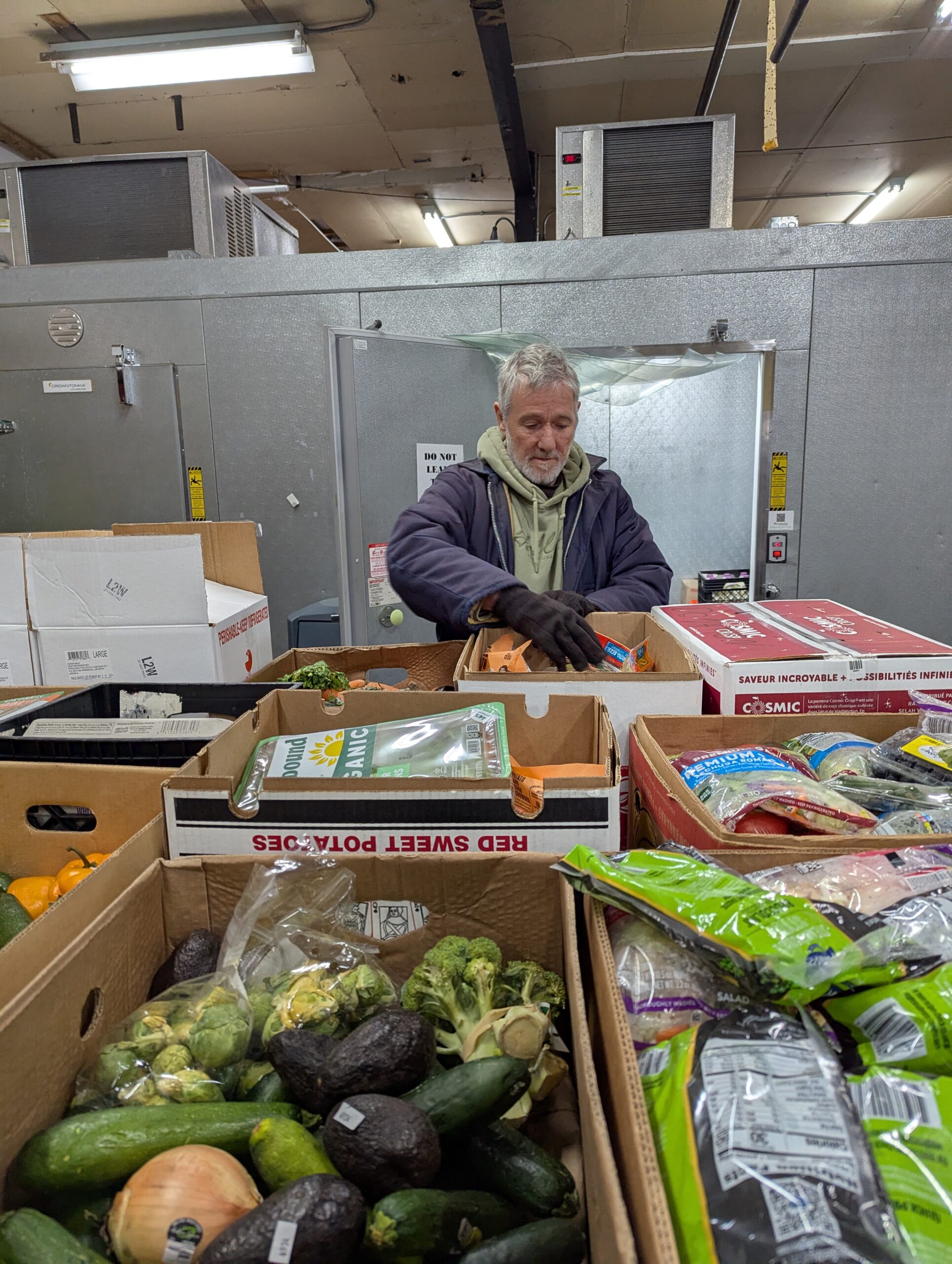
In 2000, Second Harvest Northland received a call from Jean Gornick, the Executive Director of the Damiano Center. At the time, nonprofits with on-site meal programs, like the Damiano Center, would individually reach out to different grocery stores in the area to see if they had any surplus food that was still good to eat, but not sellable. Inversely, grocery stores would have to reach out to multiple nonprofits when they had a surplus. But Jean had a vision for a more efficient approach: a cohesive food rescue program.
“The food rescue program has been instrumental in our growth, and ability to feed more neighbors. A lot of the comments we hear is just the appreciation for fresh food.”
Shaye Morris, Second Harvest Northland
“She thought that Second Harvest Northland could be a kind of collector/gatherer,” explained Shaye Moris, President/CEO of Second Harvest Northland. “It directly aligned with our work serving as our region’s only food bank.” In 2003, Second Harvest Northland launched a new food rescue program that collected surplus food from grocery stores, restaurants, schools and the medical community and distributed it to their network of on-site meal programs across the Twin Ports.
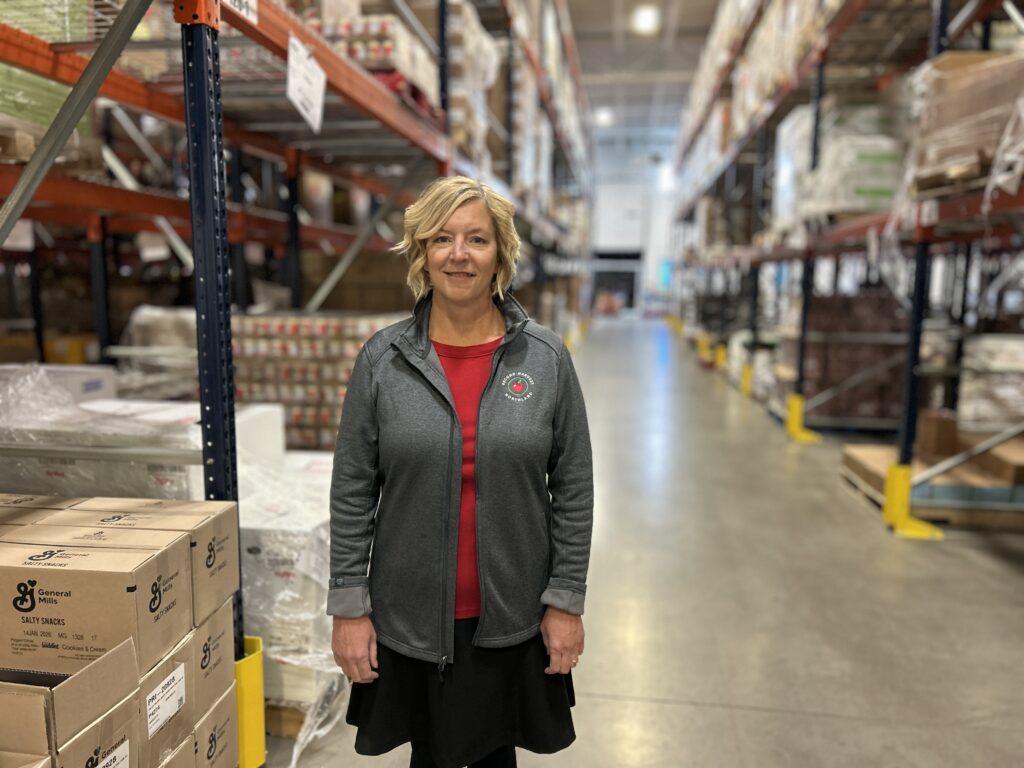
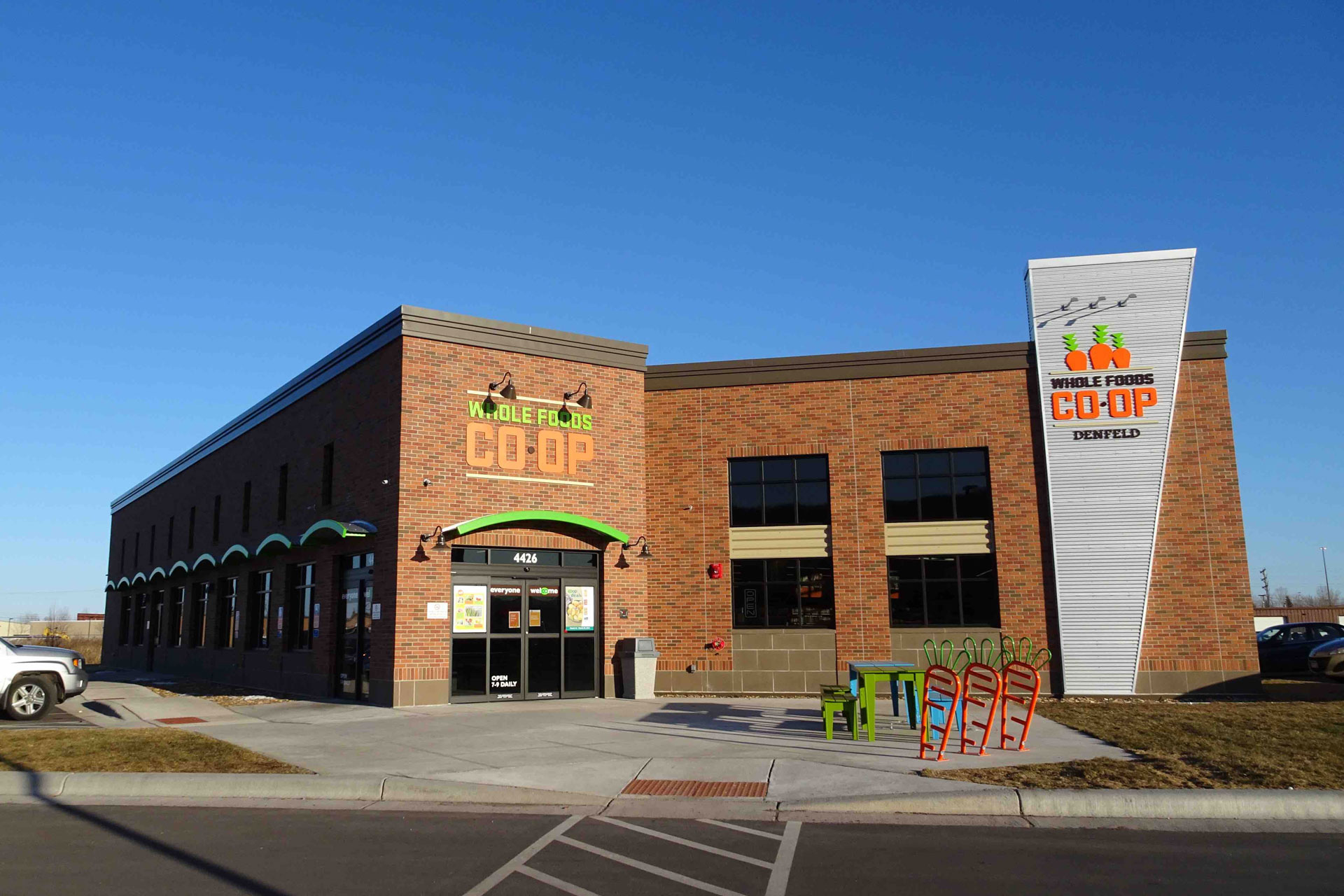
Soon after, Whole Foods Co-op joined the route. Over twenty years later, the Second Harvest Northland truck pulls up to both the Hillside and Denfeld stores twice a week, loading up on fresh fruits, vegetables, dairy, meat and baked goods, before heading to programs such as the Damiano Center, Chum, the Boys & Girls Clubs of the Northland, and the Salvation Army, where the food is distributed immediately to community members.
These deliveries are just a portion of the work the regional food bank Second Harvest Northland does. Food banks, like Second Harvest Northland, are aggregation centers, gathering and then distributing food throughout the region. Second Harvest Northland covers 15 counties in Northeastern Minnesota and Northwestern Wisconsin, partnering with food shelves, on-site meal programs, and tribal organizations to support families, children and seniors.
The facility distributes almost 13 million pounds of product every year, which is about 11 million meals, and the food rescue program has played a growing role in the food mix that the food bank distributes every year.
“Large food manufacturing has become very tech savvy. It used to be, back in the late 90’s, that we’d see a lot of manufactured items like canned goods and boxed products,” said Shaye. “But with technology changing, there’s a lot less surplus in the marketplace. So, we have set our sights on regional food rescue, which now makes up the biggest percentage of any other source of food for our region.”
In fact, food rescue from local donors like Whole Foods Co-op makes up more than 40% of the food that Second Harvest Northland accesses and distributes.
Every weekday, Second Harvest Northland’s trucks cover a different route, stopping at between 12-15 locations, both picking up from businesses and dropping off at nonprofits.
To better understand the journey the fresh food takes after leaving Whole Foods Co-op, we followed one truck for a couple of stops. On this particular morning, the team loaded up from the Hillside location.
Mark, who’s been a driver for Second Harvest Northland for almost 15 years, greeted us with a smile and explained his process of providing an extra layer of quality control and weighing and recording the product. He then sets aside certain product in his truck that he anticipates the different nonprofits on his route will want. Then, we headed over to Chum.
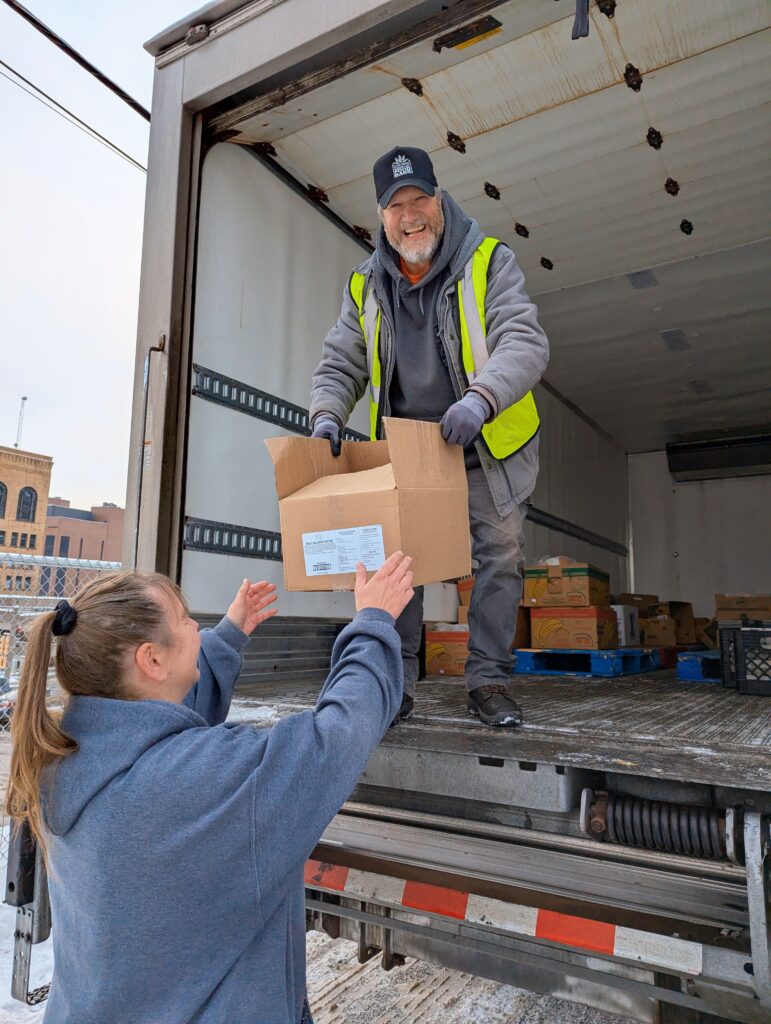
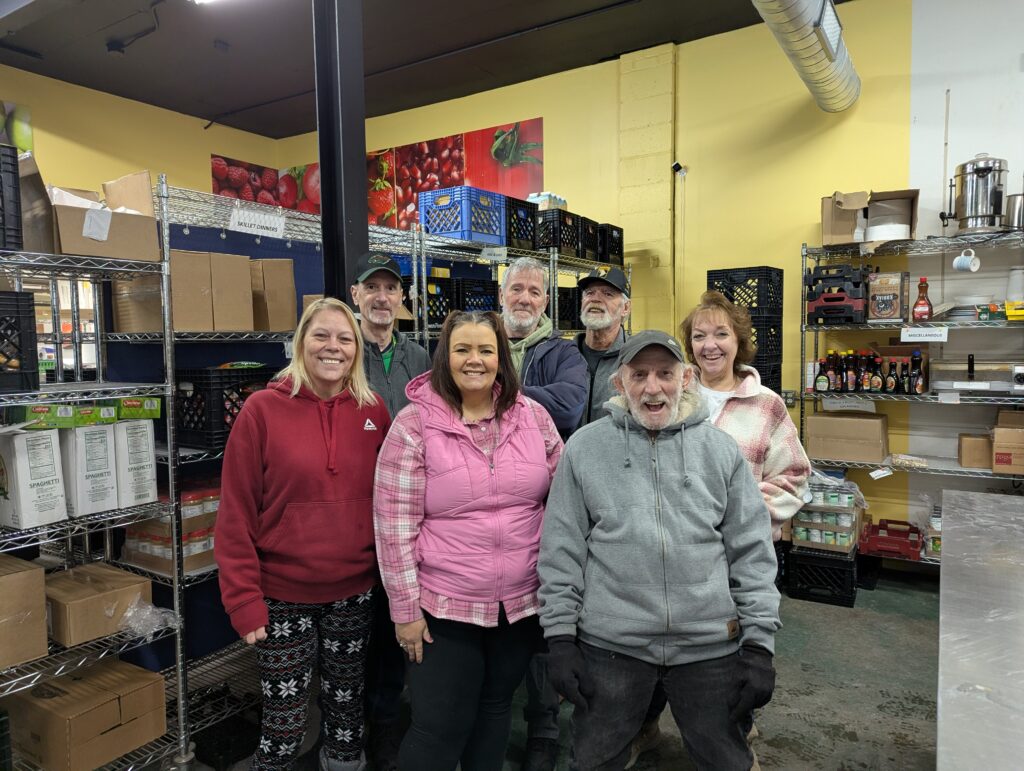
At Chum, we were met by a group of employees and volunteers excited to help unload the product. The food is organized and then distributed throughout the week, both at Chum’s food shelf on the Hillside, as well as through pop-up locations throughout the community.
“Whether they’re a family of one to a family of ten,” said April, Chum’s Director of Distributive Services of the services they provide, “we want to make sure that their needs are met and that we can do the best we can to make them feel comfortable.”
The donations from the food rescue program help to complement these efforts, allowing more people to have more access to fresh foods.
We then drove to Center City Housing, which provides access to affordable, quality housing and stability for those suffering from chronic chemical dependency, among other services. We caught up with Julie, who accepted food that would become lunches for people in the detox center, as well as support their 30 tenants and other neighborhood programs.
Julie’s proud of the work she does and its community impact, fueled in part by the food rescue donations. “It’s benefited a lot of people. A lot of homeless people and people down on their luck. That is really what matters.”
“We couldn’t do our work without partners like Whole Foods Co-op,” mentioned Shaye. But Second Harvest Northland’s food rescue program also couldn’t happen without community support. While the food for the food rescue program is donated, Second Harvest Northland provides the transportation and labor to make this program a success, and donations support this critical infrastructure. To learn more about Second Harvest Northland and to support their efforts, go to secondharvestnorthland.org.
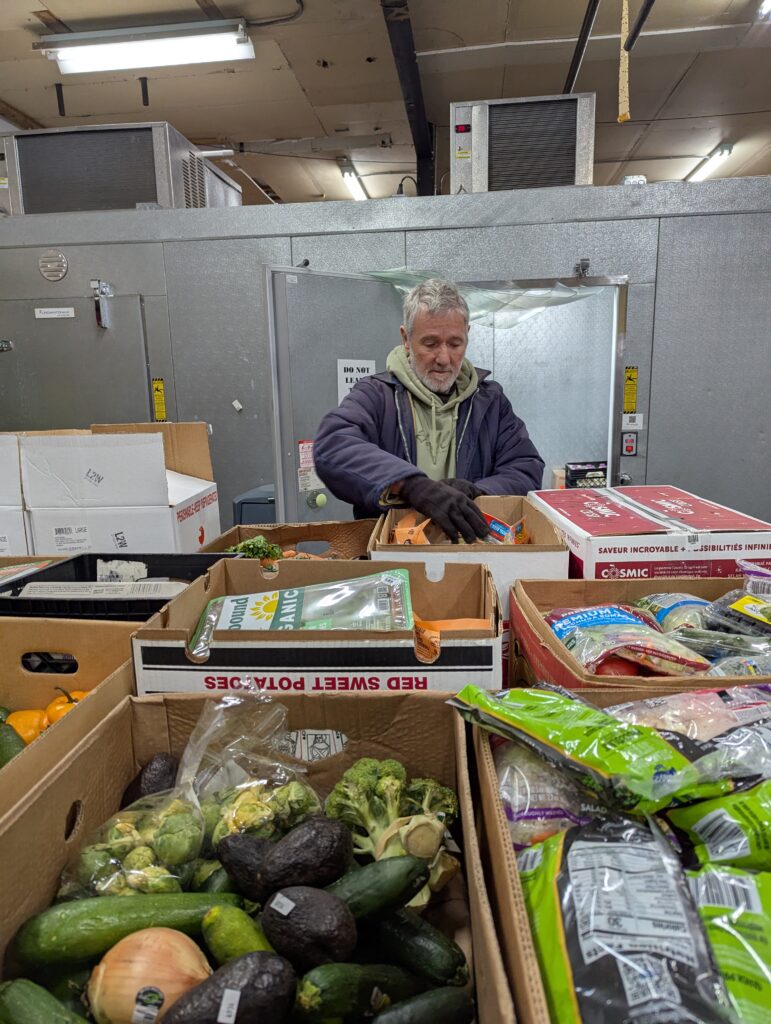
Donated food is unpacked and organized. The food will be distributed at pop-ups around the community, and at Chum’s Hillside food shelf.